 EUROPEAN COMMISSION
Brussels, 19.12.2016
SWD(2016) 456 final
COMMISSION STAFF WORKING DOCUMENT
Accompanying the document
REPORT FROM THE COMMISSION TO THE EUROPEAN PARLIAMENT AND THE COUNCIL
2016 Annual Report on the implementation of the European Union's instruments for financing external actions in 2015
{COM(2016) 810 final}
TABLE OF CONTENTS
Contents
INTRODUCTION: EU response to world developments in 2015
1.DELIVERING ON COMMITMENTS
1.1.2015: A crucial year for sustainable development
1.1.1.From the MDGs to the SDGs: the 2030 Agenda
1.1.2.The means of implementation of the new Agenda: Addis Ababa Action Agenda
1.1.3.The link between development and climate change: COP 21
1.1.4.EYD 2015
1.2.Keeping long-term promises
1.2.1 A more strategic approach: Implementing the Agenda for Change
1.2.2.Focusing on Poverty
1.2.3.Strengthening human rights and good governance
1.2.4.Mainstreaming of cross-cutting issues
1.2.5.Policy Coherence for Development (PCD)
1.2.6.Development effectiveness and Joint Programming
1.3.Partnerships
1.3.1.Cooperation with civil society organisations and local authorities
1.3.2.Working with the private sector
1.3.3.Cooperation with the donor community
1.3.4.Cooperation with international organisations
1.4.External action policies and instruments
1.4.1.Responding to global challenges and supporting long-term reforms
1.4.3.Making a difference: new instruments and aid modalities
1.5.Neighbourhood Policy Review
2.RESULTS FOR PROJECTS COMPLETED BETWEEN July 2014 and June 2015
2.1.Development progress in partner countries
2.2.EU contributions to results in partner countries: aggregated results
2.3.European Commission’s organisational performance as the manager of the EU aid
3. IMPLEMENTATION: GEOGRAPHIC OVERVIEW
3.1.Enlargement
3.1.1 Introduction
3.1.2.Aid effectiveness and donor coordination
3.1.3.Implementation
3.2.European Neighbourhood
3.2.1.European Neighbourhood East
3.2.2.European Neighbourhood South and Middle East
3.2.3 Iraq, Iran, Yemen and Gulf Countries
3.3.African continental, Sub-Saharan Africa & all ACP programmes
3.3.1Sub-Saharan Africa
3.3.2.South Africa
3.3.3Intra-ACP Programmes (Water, Energy, etc.)
3.4.Latin America & the Caribbean
3.4.1.Latin America
3.4.2.Caribbean
3.5.Asia, Central Asia & the Pacific
3.5.1.Asia
3.5.2.Central Asia
3.5.3.Pacific
3.6.OCTs
4.Implementation: Thematic Overview
4.1.The thematic programmes
4.1.1.Global Public Goods and Challenges Human Development
4.1.2.Civil society organisations and local authorities
4.1.3.Migration, forced displacement and asylum
4.1.4.Environment and sustainable management of natural resources including energy
4.1.5.Food and Nutrition Security and Sustainable Agriculture
4.1.6.Sustainable Energy
4.2.Partnership Instrument
4.3.Democracy and Human Rights
4.4.Stability
4.4.1.Crisis response and preparedness
4.4.2. Global and regional trans-border challenges
4.5.Nuclear Safety
4.6.Humanitarian Assistance and Civil Protection
4.6.1.Humanitarian Aid
4.7.Macro-financial Assistance
5.Managing Aid
5.1.Monitoring Systems
5.1.1 The reformed external support to monitoring (ROM)
5.1.2 Evaluation: review of the work programme
5.1.3 Lessons learned
5.2.Aid delivery modalities
5.2.1 Trends in aid delivery modalities and channels
5.2.2 Budget support
5.2.3 Using EU grants strategically via blending
5.2.4.Trust Funds
5.3.Improving ways of working
5.3.1 Progress on qualitative issues in aid management
5.3.2 Simplification of procedures
5.4.Communication & transparency
5.4.1 Communication and visibility
5.4.2 Transparency.
INTRODUCTION: EU response to world developments in 2015
In 2015, Europe was confronted with a range of new and significant challenges. Conflicts were raging on both our Southern and Eastern borders. The European Union (EU) was also faced with an unprecedented refugee and migrant crisis while terrorist attacks were perpetrated inside and outside Europe.
The EU responded, quickly and comprehensively, using the entire breadth of its policies and tools that span diplomatic, security, financial, trade, development and humanitarian aid.
Throughout the year, the EU continued to play a leading role in international efforts addressing crises in Ukraine and providing support to ongoing efforts in Syria, Iraq and Libya. It worked tirelessly with its international partners against the activities of Da'esh.
In response to the migration crisis, the European Commission presented its
European Agenda on Migration
in May 2015 to improve the management of migration in all its aspects.
The Valletta Summit brought together European and African Heads of State and Government in an effort to strengthen cooperation and address the challenges and the opportunities presented by migration. On this occasion, the EUR 1.8 billion ‘Emergency Trust Fund for stability and addressing root causes of irregular migration and displaced persons in Africa’ was launched.
To address the crisis in Syria, the European Union and its Member States committed EUR five billion up to the end of 2015 to assist the Syrian people inside the country as well as refugees and the communities hosting them in neighbouring countries. The EU pledged an additional EUR three billion in early 2016 in response to what has been the worst humanitarian crisis Europe has seen since World War II.
In May 2015, the Council of the EU called for a stronger Europe, with a stronger and more effective Common Security and Defence Policy (CSDP). The fight against terrorism continued to take centre stage in the work of the EU in 2015.
At the end of 2015, the EU had 18 CSDP civilian and military missions and operations in place, of which two military operations (EUNAVFOR MED SOPHIA and EUMAM CAR) were established in 2015. EUNAVFOR MED SOPHIA is contributing to the disruption of the business model of human smuggling and trafficking networks in the Southern Central Mediterranean and EUMAM CAR is focusing on military advice and assistance to the Central African Republic (CAR) authorities and prepare them for security sector reform.
The world-wide trend of increasing man-made and natural disasters continued in 2015. The European Commission provided relief assistance of over EUR 1.4 billion including food, shelter, protection, healthcare and clean water to more than 120 million people in over 80 countries.
The record 2016 humanitarian budget will continue to provide needs-based, life-saving assistance throughout the world, assisting people affected by other conflicts, such as in South Sudan and Ukraine, as well as addressing the needs of communities affected by complex and recurring crises in the Sahel region and Lake Chad Basin, and other fragile areas. It will also address the external dimension of the refugee crisis that currently affects Europe in countries such as Syria, Lebanon, Jordan, Turkey, the Western Balkans and Iraq.
The EU delivered on crisis prevention not only in high-priority crises (like Ukraine, Syria/Iraq, Libya, Central African Republic and the Sahel), but also in connection with disasters (for example support to Nepal following the earthquakes in April and May) as well as in protracted and lower-intensity crises (Central Asia Water Mediation, Georgia, Nagorno-Karabakh, Turkey-Armenia).
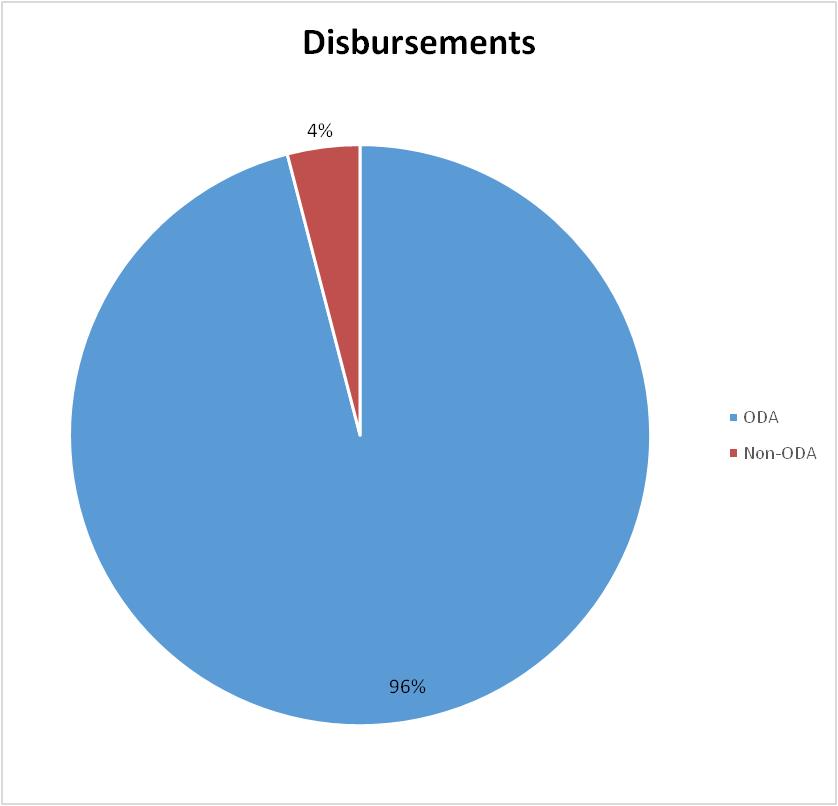
The EU and its Member States remained the world's largest provider of development funding. The European Commission alone disbursed over EUR 10.3 billion in official development assistance (ODA) in 2015 promoting European core values of peace, security, sustainable development, poverty reduction and human rights worldwide, and thus tackling the root causes of crisis. During the year, the
11th European Development Fund
(EDF), worth EUR 30.5 billion, became fully operational.
As strong promoter of Human Rights, the EU undertook human rights dialogues and consultations with 37 partner countries and regional groupings. The EU together with Member States elaborated 11 democracy profiles in 2015. The EU supported human rights civil society organisations and human rights defenders, conducted eight Election Observation missions, eight Electoral Expert missions and three Election Follow-up Missions. It also took further steps towards applying a more effective human rights-based approach to development cooperation.
In September 2015, the European Commission services and the European External Action Service (EEAS) adopted a new framework for the EU's activities on gender equality and women's empowerment in EU's external relations.
The EU remained a strong supporter of multilateralism and played a very active role in negotiating the 2030 Agenda, which has unprecedented global legitimacy as an agreed international framework for tackling a wide range of interconnected global challenges.
The 2030 Agenda builds on and integrates the outcome of the third United Nations (UN) Financing for Development Conference in Addis Ababa and links into the successful Paris Agreement on climate change. The Agenda highlights the importance of a number of cross-cutting issues for all UN Member Countries, including poverty elimination, social equality, environment protection, the security-development nexus, good and inclusive governance, human rights and gender equality.
Outlook for 2016
The EU will support the successful implementation of the Agenda 2030 both internally and externally.
The EU Global Strategy on Foreign and Security Policy, which will be delivered during 2016, will enable the Union to identify a clear set of objectives and priorities to face the security challenges of this decade and their root causes. On this basis, the European Union can align its tools and instruments to ensure that they have the greatest possible impact. This will help promote the European Union's interests globally, and ensure security within the EU and abroad.
The stabilisation of the region, in political, economic, and security related terms, is at the heart of the reviewed European Neighbourhood Policy, which was presented in November 2015.
The EU will support all efforts for a lasting peaceful solution respecting the unity, sovereignty and territorial integrity of the Ukraine and which ensures a stable, prosperous and democratic future for all its citizens.
The EU will monitor the effective implementation of the Joint Comprehensive Plan of Action (JCPOA) with Iran. As part of the commitments taken under the JCPOA, the EU lifted all its nuclear-related economic and financial sanctions in January 2016.
The EU will build on its public consultation – ‘Towards a new partnership between the EU and the ACP countries after 2020’ – and work towards policy proposals for improved relations between the EU and the members of the African, Caribbean and Pacific Group of States (ACP) after 2020.
The EU will further integrate climate change issues into its development cooperation in the framework of the Paris Agreement, which enters into force on 4 November 2016.
1.DELIVERING ON COMMITMENTS
1.1.
2015: A crucial year for sustainable development
2015 proved a remarkable year for international cooperation for poverty eradication and sustainable development. It marked the expiry date for the Millennium Development Goals (MDGs) and offered a chance for reflection on the progress made to date and the challenges ahead that remained to be addressed. 2015 also saw a series of landmark international agreements over the course of the year (the Sendai Framework for Disaster Risk Reduction 2015-2030, the Addis Ababa Action Agenda, the 2030 Agenda for Sustainable Development and the Paris Agreement under the UN Framework Convention on Climate Change) which have collectively re-cast the way we will think and act on international development and cooperation for the next fifteen years.
In each of these conferences and summits, the EU played an influential role in negotiating the final outcome; driving up the level of ambition and working constructively with our international partners to secure agreement. For example, in May 2015 the EU made a powerful collective commitment to allocate 0.7 % of the Gross National Income (GNI) for official development assistance (ODA) within the timeframe of the 2030 Agenda, with accompanying commitments on ODA which should be directed to the Least Developed Countries. Following the September Summit, work to implement the 2030 Agenda began in earnest.
Due to the importance of all these events, 2015 was chosen as the European Year for Development (EYD); the first ever European Year to deal with the European Union's external action and Europe’s role in the world. The EYD 2015 helped mobilise people and raised awareness about the key challenges and global responsibilities in our changing world.
1.1.1.
From the MDGs to the SDGs: the 2030 Agenda
From 25 to 27 September 2015, the international community assembled at the UN Headquarters in New York to adopt a bold and transformative new vision for sustainable development and poverty eradication: ‘Transforming our world: the 2030 Agenda for Sustainable Development’. The EU was well represented at the UN Summit: First Vice President Frans Timmermans delivered the EU statement in Plenary; the High Representative of the Union for Foreign Affairs and Security Policy / Vice-President of the Commission Federica Mogherini and Commissioner Neven Mimica also spoke at Interactive Dialogues and other side events; and in addition, a delegation of Members of the European Parliament’s Committee on Development (DEVE), together with the European Investment Bank (EIB) President, ensured that a wide range of institutions were represented and the EU voice was heard.
The Summit was the culmination of a lengthy but inclusive intergovernmental negotiation process in which the EU had played a leading and influential role. During 2015, a Commission Communication on the Global Partnership, and subsequent Council Conclusions, together with a number of reports and Resolutions from the European Parliament and other EU bodies all helped demonstrate a high level of constructive engagement from across the EU. Following the Summit, work on implementation gathered pace. The Commission services, in close cooperation with the EEAS, also continued to provide important inputs into the UN's work on the global indicators framework for the Sustainable Development Goals (SDGs) and the arrangements for Follow Up and Review of the 2030 Agenda (including the integral Addis Ababa Action Agenda). The EEAS brought forward preparatory work for Capacity Building in Security and Development, and for a comprehensive policy in support of Security Sector Reform, which fit well with the new consensus on peaceful and inclusive societies (SDG 16). The EU expressed commitment to implement the 2030 Agenda and to supporting others to do the same.
1.1.2.
The means of implementation of the new Agenda: Addis Ababa Action Agenda
The third UN Financing for Development Conference in Addis Ababa in July 2015 agreed a comprehensive Means of Implementation package for the 2030 Agenda. The Addis Ababa Action Agenda (AAAA) helped establish a new sustainable development paradigm, with good governance at the core and an emphasis on responsibilities for all, the primacy of domestic action, the importance of good policies, the role of the private sector and a commitment to policy coherence.
The EU played a leading role in shaping this agenda and in helping to maintain a high level of ambition. The AAAA reflects the EU's priorities well.
The EU brought forward some important contributions in the context of the conference. Official Development Assistance (ODA) will continue to play an important role and the EU, already the world's largest provider of ODA, undertook in May 2015 at the EU Council, a particularly ambitious collective commitment to achieve the UN 0.7 % of GNI target within the timeframe of the 2030 Agenda. This includes a specific commitment to provide 0.15-0.20 % ODA/GNI to Least Developed Countries (LDCs) in the short-term and to reach 0.20 % within the timeframe of the post-2015 agenda. The Commission will continue to work with Member States to monitor progress against the ODA targets.
But ODA is only a small part of the development finance landscape. In line with the AAAA, the EU's actions go beyond ODA and help to bring together aid, investment, trade, domestic resource mobilisation and good policies. Such examples include, the flagship Domestic Resource Mobilisation programme, blending facilities to leverage more private sector investment in developing countries and continuation of 'duty free and quota free' market access to the Least Developed Countries.
1.1.3.
The link between development and climate change: COP 21
On 25 September 2015, the UN General Assembly adopted an ambitious sustainable development agenda with 17 goals that seek to systematically integrate and balance economic, social and environmental objectives. In this new 2030 Agenda for Sustainable Development climate change is recognised as “one of the greatest challenges of our time” and worries that “its adverse impacts undermine the ability of all countries to achieve sustainable development". The 2030 Agenda includes a specific Sustainable Development Goal on taking urgent action to combat climate change and its impacts, while recognising that the UNFCCC is the primary forum for negotiating the global response to climate change. At the Paris climate conference (COP21) in December 2015, 195 countries adopted the first-ever universal, legally-binding, global climate deal covering all countries. The Paris Agreement sets out a global action plan to put the world on track to avoid dangerous climate change by limiting global warming to well below 2°C. Moreover, such measures are to be taken, as spelled out in Articles 2, 4 and 6 of the agreement, “in the context of sustainable development and efforts to eradicate poverty”.
The EU was right at the forefront of international efforts towards a global climate deal and was also the first major economy to submit its intended contribution to the new agreement in March 2015. The EU also pressed for the inclusion of tackling climate change as a major priority within the 2030 Agenda on Sustainable Development. The EU remains committed to implementing both the 2030 Agenda and the Paris Agreement, and will support other countries as they seek to do the same, particularly those most in need.
To support Commission targeted policy actions aimed at helping those countries most seriously threatened by climate change, Commission services have developed a global index to monitor progress of climate resilient development policies. The Global Climate Change Alliance plus (GCCA+) index, presented at the COP21, can be consulted via an
online knowledge platform
that acts as an interface between science and policy and provides transparent, reliable, accurate, and open source information on the indicators, data and methodology applied to build the index.
The new African Drought Observatory (ADO) offers a framework for the provision of early warning and response to mitigate the impact of droughts in Africa.
1.1.4.
EYD 2015
The European Year for Development 2015 (EYD2015) was a timely and successful campaign. It was the first ever European Year devoted to an external relations theme and it arrived at a time of important global decisions, such as the 2030 Agenda for Sustainable Development; the climate deal in Paris; and the agreement on financing development with the Addis Ababa Action Agenda.
EYD2015 aimed to bring these decisions closer to European citizens. The objectives were to inform them about the work on development cooperation undertaken by the EU and the Member States; to foster direct involvement and critical thinking about development policy; and to raise awareness of the benefits of development cooperation and its global dimension for both citizens in the partner countries and in the EU.
The inclusive character of the EYD2015 campaign was a success story. 208 organisations registered on the dedicated EYD2015 website ranging from EU Member States, EU Delegations and Representations to International Organisations, non-governmental organisations (NGOs) and the private sector. The campaign itself adopted a "decentralised" model by financially and logistically supporting national campaigns in 25 EU Member States and a European Civil Society alliance: CONCORD. Their active role in the campaign succeeded in spreading the messages of the Year to more people than originally expected. The aggregated numbers show that 3 828 events took place in all EU Member States with some 1 923 240 participants.
Special attention was devoted to reach young people in Europe. In May and June 2015, Youth Ambassadors from all over the world were invited in Brussels to actively take part in the European Development Days and to meet the UN Secretary-General, Ban Ki-moon. Throughout 2015, 28 Kapuscinski Development Lectures were held in the EU attracting more than 7 000 participants. A popular blogger was asked to travel through three continents, in five countries over 10 days to record by video how development cooperation works through the eyes of a young European. Finally, a unique educational toolkit was produced for teachers to teach about development issues in schools and universities.
In parallel, young people and volunteers from partner countries are participating in Erasmus+ projects, youth exchanges and volunteering activities which aim to foster an active participation of youth in society and discussions on global challenges, notably targeting young people with fewer opportunities.
A Joint Declaration by the European Parliament, the Council and the Commission on the lessons learnt from the EYD2015 campaign was signed at the closing ceremony in Luxembourg in December 2015. It stressed the importance of building on partnerships and engaging new stakeholders; reaching out to young people; being people-centric; interactive; fact- and result-based; and sustaining the spirit of the Year through the continuation of the use of the EYD2015 motto "Our world, our dignity, our future".
During the European Year for Development, Commission services coordinated the 2015 Expo Milan on global food and nutrition challenges that involved over 230 events. These events brought together more than 30 000 experts, whose contributions culminated in new recommendations on how European research and innovation can help improve food and nutrition security around the world.
1.2.
Keeping long-term promises
1.2.1
A more strategic approach: Implementing the Agenda for Change
The primary objective of the Agenda for Change, which is the basis for the EU's development policy, is to significantly increase the impact and effectiveness of EU development policy. Its key orientations have informed the programming process for the current 2014-2020 period.
Today EU bilateral aid under the Development Cooperation Instrument (DCI) and European Development Fund (EDF) is more focused on countries that need it the most, such as Least Developed Countries and Lower Income Countries, while the share of Upper and Middle Income Countries has been significantly reduced. Similarly, at country level EU aid is more focused with three or less sectors of concentration in each partner country. Among the sectors of concentration, EU support is now more focused on the two priority areas of the Agenda for Change, notably Human Rights, Democracy and Good Governance and Inclusive and Sustainable Growth for Human Development.
In 2015, budget support policy has continued to be successfully implemented, supported notably by the systematic use of the risk management framework and by the strengthened internal governance structure with the Commission services. The EU has also launched the ‘Emergency Trust Fund’ for stability and addressing root causes of irregular migration and displaced persons in Africa. Finally, the EU Blending Framework covers now all regions of EU external cooperation and it is expected to mobilise over EUR 100 billion by 2020 through more than 500 new projects.
On Joint Programming, reporting from the field shows that in 25 partner countries Joint Strategies were prepared or finalised by end 2015; with 14 completed during 2015.
Increasing impact and effectiveness of EU development policy also requires a strong focus on results. To strengthen the focus on results as well as to be able to deliver a better reporting on results, the Commission services launched the overall EU International Cooperation and Development Results Framework which will be the basis of the Commission annual reporting on results as from this report.
1.2.2.
Focusing on Poverty
While global poverty has decreased, it still remains high and concentrated in certain regions. According to the latest projections in 2015 there were 702 million people (9.6 % of the global population) living on USD 1.90 per day. In 2012, the latest year for which estimates are available, there were 869 million extremely poor, representing 12.7 % of the global population. This is a significant decrease compared to the situation in 1990 when 37.1 % of the global population (almost two billion people) lived on USD 1.90 per day.
The regions where most of the poor live are Sub-Saharan Africa (SSA) and South Asia (SA). According to projections, these two regions account for 82 % of the global total of extremely poor people in 2015. The share of SSA in global poverty increased from 14 % in 1990 to a projected 49 % in 2015 mainly due to population growth.
1.2.3.
Strengthening human rights and good governance
In July 2015, the EU reaffirmed its political commitment to the 2012 Strategic Framework on Human Rights and Democracy and adopted a new Action Plan on Human Rights and Democracy for the period 2015 - 2019. The Action Plan translates into clear goals and targeted actions the broad objectives of protecting and promoting human rights, and supporting democratic processes worldwide. It has put an ambitious goal "to move towards a rights-based approach to development cooperation, encompassing all human rights". This should be achieved by "pursuing its full concrete integration into all EU development instruments and activities, using training and guidance, capacity support, results-oriented monitoring guidelines and criteria for evaluation with a view to achieving the implementation of a rights-based approach to development cooperation in 2016, including through country programmes". The objective is not only to "do no harm" by avoiding unintended negative impacts of development activities for the final beneficiaries, but also to "do maximum good" by concretely and directly contributing to the realisation of their human rights, considered both as a means and a goal of development cooperation. The EU integrated the rights-based approach (RBA) in key development cooperation documents, the project monitoring and evaluation systems, and roadmaps for engagement with civil society. At local level, some EU Delegations have already integrated the RBA in their programming.
In this spirit, the EU also integrated the rights-based approach into the roadmaps for engagement with civil society.
The EU continued assessing these fundamental values in its budget support programmes (see chapter 5.2.2 of this document) in line with the methodology provided in the Budget Support Guidelines for the three defined types of contracts (see Annex 12 of the Guidelines). The new Action Plan on Human Rights and Democracy foresees an assessment of the implementation of Annex 12 as an essential element for budget support, as well as the full integration of a RBA into Sector Reform Contracts.
With the revision of its European Neighbourhood Policy (ENP) in 2015, the EU reaffirmed its commitment to promote the rule of law, good governance, democracy and human rights in the Neighbourhood region. These will remain priorities for the EU in 2016 as it reaches out to each partner to seek more effective ways to promote reforms, based on a more tailor-made approach and new support frameworks, notably with the financial support of the European Neighbourhood Instrument (ENI).
The Enlargement policy remained focused on the fundamentals first principle, in which the EU focuses its efforts on ensuring that countries prioritise reforms in the core fields of rule of law, fundamental rights, democratic institutions (including public administration reform) and economic governance.
1.2.4.
Mainstreaming of cross-cutting issues
The EU addresses the following cross-cutting issues of major importance for development under a mainstreaming approach: democracy and human rights, including children’s rights, the rights of persons with disabilities and of indigenous peoples; gender equality; culture; environmental sustainability and the fight against climate change; fighting the root causes of migration; and controlling HIV/AIDS.
Tackling these cross-cutting issues from a mainstreaming perspective can help avoid the risk of a negative impact on the cross-cutting issue as well as take advantage of potential positive effects.
For example, mainstreaming human rights consists of systematically integrating human rights in all sectors of aid interventions. While this is key to ensure policy coherence, it also includes a “do no harm” element avoiding unintended negative impacts of development activities contributing to human rights violations (e.g. schools that do not have accessible sanitation facilities for children with disabilities will result in violations of their right to education).
In 2015, the European Commission adopted revised instructions to include an assessment of cross-cutting issues in any new programme proposed for financing. In line with the UN Convention on the Rights of Persons with Disabilities, to which the EU is a full party, the Commission is increasingly including explicit provisions on the rights of persons with disabilities in key regulations and procedures. For instance, provisions regarding accessibility for persons with disabilities have been included in EU procurement procedures.
1.2.4.1.
Forced Displacement and Migration
The global figure of 65.3 million forcibly displaced people is the largest since the Second World War. Human mobility is also at unprecedentedly high levels with 244 million international migrants. Forcibly displaced people are a particular category of people on the move. Refugees and migrants are legally two distinct categories. In reality they are however often part of large-scale mixed movements of people, underscoring the need for carefully balanced and targeted protection and migration management policies.
The strong nexus between development and migration has been confirmed with the inclusion of migration in the 2030 Agenda for Sustainable Development where it is recognised as a potential positive force for development.
The 2030 Agenda also identifies forced displacement as one of the key factors that threaten to reverse much of the development progress made in recent decades. This clearly demonstrates that development cooperation has a key role to play to address both the challenges and the opportunities presented by the current global refugee and migration situation.
While EU development assistance has addressed migration and development concerns for years, in 2015 the Commission considerably stepped up efforts to more effectively respond to the needs and priorities of partner countries. This includes ensuring that migration concerns are mainstreamed into all other relevant development sectors under geographical and thematic funding programmes.
In line with the European Agenda on Migration adopted in 2015, the Commission increased its cooperation with partner countries globally. For instance, migration dialogues with African partner countries were strengthened and deepened, notably through the Rabat and Khartoum migration processes as well as through the Africa-EU Migration and Mobility Dialogue.
In addition, the Valletta Summit in November 2015 brought together leaders of the EU and the African side in an effort to strengthen cooperation and address the current challenges and opportunities of migration in a balanced approach and in close partnership between countries of origin, transit and destination.
In terms of programmatic responses, the EUR 1.8 billion EU Emergency Trust Fund for stability and addressing root causes of irregular migration and displaced persons in Africa, which was launched at the Valletta Summit, is a good example of the strengthened EU approach on migration. The Trust Fund serves as a complementary and flexible tool to the extensive EU development cooperation in the region and aims to support the effective implementation of the Valletta commitments.
In addition, the Commission is supporting tailor-made high-level dialogues with priority countries on migration, aiming to increase cooperation on migration in a comprehensive and joint approach.
In our cooperation with the Neighbourhood region, mainstreaming of the migration dimension into development policies is gaining importance in a context where financial resources are becoming scarce, compared to the impact of the current refugee crisis. This approach is currently being tested in a number of cooperation programmes (Morocco for example, where migration indicators have been introduced in sector budget support programmes and are related to the access of migrants to education and health protection systems), but also at local level, where the aim is to support local authorities to integrate in their planning processes the impact linked to the inflow of migrants (be it in terms of additional burden put on infrastructures or in terms of positive contributions to the local economy).
EU development assistance is also stepping up its role with regards to forced displacement which was traditionally considered solely a humanitarian concern. In 2015, efforts were re-doubled to support countries bearing the heaviest burden of the displacement crisis linked to the continuing Syrian conflict, in particular through increased funding to the EU regional Trust Fund in response to the Syrian crisis, and preparatory work for targeted cooperation compacts with Lebanon and Jordan.
Erasmus+ student and staff mobility has a strong potential to address the root causes of migration by improving the quality of higher education in partner countries, but also in accelerating the use of transparency and recognition tools, building trust between higher education systems in Europe and partner countries. Erasmus+ and the Marie Skłodowska-Curie Actions were recognised therefore as important instruments to support the mobility of students and researchers under the legal migration and mobility component of the Valletta Action Plan
1.2.4.2.
Climate Change
In September 2015, the UN adopted an ambitious sustainable development agenda which aims to systematically integrate and balance economic, social and environmental objectives. The EU already leads global mobilisation on these issues and has made important commitments on them including spending at least 20 % of its 2014-2020 budget on climate change-related actions and doubling (from an agreed baseline) its biodiversity spending to developing countries, in particular the least-developed countries and Small Island Developing States, as well as countries with economies in transition by 2020.
To achieve these objectives, the EU is financing initiatives that directly aim to address climate change and protect the environment and address climate change and also seeking to promote these goals in all its programmes by mainstreaming these issues in other sectors of cooperation, like agriculture, disaster risk management, research and energy. All expenditure managed by Commission services is systematically tracked through the application of Rio markers.
Examples of cross-cutting mainstreaming initiatives supported through EU funds include: the Global Biodiversity Information Facility (GBIF), an additional contribution to the Forest Carbon Partnership Facility - Readiness Fund, a new phase of the Global Climate Change Alliance (GCCA+), a new Electrification Financing Initiative (ElectriFI) to strengthen support to accessible low carbon energy, a similar financing initiative for sustainable agriculture (AgriFI), and continuation of the EU blending facilities with their Climate Change Windows.
In addition, in the run-up of the UN Climate Change Conference in Paris, the EU supported partner countries in preparing their intended nationally-determined contributions (INDCs), the first comprehensive attempt to set out a cross-sectoral national vision for transitioning to a low-emission and climate-resilient economy.
1.2.4.3.
Gender equality
The new Gender Action Plan (GAP) ‘Transforming the lives of women and girls through EU external relations 2016-2020’ was endorsed by the Council in October 2015, after one year of preparation in consultation with Member States, and extensive cooperation between Commission services. The new GAP is ambitious, and it emphasises a shifting of mind-sets that hinder gender equality. Inside the Commission services and the EEAS, it aims to secure greater leadership and promote a strategic approach that combines more investment, better coordination and shared accountability. Externally, it proposes to act in transformative areas of the lives of women and girls: the fight against violence and harmful practices; access to and control over resources; and participation at all levels of decision making.
This approach is based on specific country-level analysis and fosters the effective inclusion of the gender perspective in the programming process as well as in policy dialogues.
The new action plan focuses on results and strengthens monitoring and evaluation of results for gender equality. It pays careful attention to the cultural shift needed to eliminate social norms and practices that hinder a full enjoyment of human rights for women and girls, to effectively change the mind-set which is the source of discrimination.
This reflects the Agenda 2030 that includes a stand-alone goal on gender equality and a mainstreamed approach across all Sustainable Development Goals.
|
Across the world, the Commission supports a number of actions to directly address issues of gender inequality including programmes to prevent and eliminate Female Genital Mutilation, to reduce Violence against Women and Girls, to improve women's access to productive resources such as land to increase employment possibilities and to reduce child marriage. EUR 6.5 billion per annum of the EU’s budget within the scope of this report addresses gender equality as either a significant or principal objective.
|
1.2.5.
Policy Coherence for Development (PCD)
Through Policy Coherence for Development (PCD) the EU takes account of development objectives in all its policies that are likely to affect developing countries. The promotion of PCD aims to minimise contradictions and build synergies between different EU policies to the benefit of developing countries.
In 2015, the Commission continued its efforts to increase PCD. It published the fifth EU PCD Report which monitors progress on PCD at EU level and in Member States over the past two years and highlights achievements and remaining challenges in procedural issues and across different policy areas. The report also served as an awareness-raising tool through its official launch by Commissioner Mimica and subsequent wide-scale distribution to stakeholders.
The Better Regulation Package adopted by the Commission in May 2015 contains new guidelines for assessing impacts of future EU initiatives. In this framework, specific operational guidance is now provided on how to systematically assess the effects of new policies on developing countries. This tool is considered pivotal for promoting the principle of PCD within Commission services.
EU Delegations play a crucial role by providing feedback on the impact of wider EU policies on our partner countries and increasing the evidence base on PCD. The Commission took steps to strengthen the monitoring of country-level PCD issues, in particular by integrating PCD into the annual reporting from EU Delegations.
At international level, the EU continued to promote policy coherence approaches, e.g. in the run-up to the New York Summit on the 2030 Agenda for Sustainable Development. There is broad understanding within the EU that PCD will be a key element for the implementation of the 2030 Agenda.
Research and innovation are a means to foster development by enhancing human potential and infrastructures as well as designing new services and products. In addition, research provides evidence in support of development policies.
The communication on 'Enhancing and focusing EU international cooperation in research and innovation: A strategic approach', adopted by the European Commission in 2012, sets "supporting the Union's external policies" as one of its three main objectives. A report on the implementation of the strategy was adopted in November 2014. Annexed to this report, is a first set of 11 roadmaps with international partners (two regions and nine countries) of the EU. These roadmaps are about setting priorities and making them visible, mirroring developments in the EU’s policy-dialogues on research and innovation cooperation. These roadmaps were implemented in 2015.
The European Commission continued to invest, through the new EU Framework Programme Research and Innovation Programme, Horizon 2020 (2014-2020), in cooperation between researchers and innovators in Europe and developing countries to contribute to the achievement of the Millennium Development Goals (MDGs) and other International Commitments such as Rio+20, the Global Alliance for Chronic Diseases (GACD) or the European and Developing Countries Clinical Trials Partnerships (EDCTP). Directorate-General Research and Innovation contributed also to the Sustainable Development Goals, identifying research areas that can better address these.
The European Commission also continued to work on including science, technology and innovation as important drivers in Agenda 2030.
1.2.6.
Development effectiveness and Joint Programming
The Global Partnership for Effective Development Cooperation (GPEDC) is a multi-stakeholder platform for learning and knowledge exchange on development effectiveness. In 2015, the Commission represented the EU constituency in two GPEDC Steering Committees. In January, the Commission hosted the planning workshop ‘Strengthening Coordination to Deliver Results’ in cooperation with the Africa Platform for Development Effectiveness and the Asia-Pacific Development Effectiveness Facility. The EU is fully cooperating with the second round of monitoring of GPEDC commitments and proactively engages with partner countries to facilitate the exercise.
Joint Programming (JP) addresses aid fragmentation and transaction costs, and improves transparency, predictability, coordination. JP aims at a coherent EU response on partner country's development.
In line with commitments taken at the GPEDC 1st high level Meeting in Mexico 2014, a ‘
Joint Programming Guidance Pack
’ addressed the demand from the field for an operational framework to facilitate and inspire JP processes, building on Member States’ knowledge and lessons learned.
Reporting from the field shows that in 25 partner countries, Joint Strategies were prepared or finalised by end 2015, with 14 completed in 2015. JP has produced positive effects toward more development effectiveness, and is perceived in many countries as promoting intra-EU transparency, cooperation and information-sharing among EU Partners while improving division of labour and coherence. JP facilitates a coordinated policy dialogue, notably at sector level. JP is increasingly seen as a space for joint EU responses to new challenges such as migration and climate change.
The Commission participates in the Practitioners' Network, a network of EU agencies to improve coordination of implementation.
1.3.
Partnerships
1.3.1.
Cooperation with civil society organisations and local authorities
The European Union’s political commitments to support civil society organisations (CSO) and local authorities (LA) as key actors of governance and development in their own right, is implemented by the Civil Society Organisation-Local Authorities Thematic Programme that was adopted in July 2014 under the Development Cooperation Instrument that strengthens these actors in partner countries. The Instrument for Pre-Accession as well as the European Neighbourhood Instrument also provide substantial support to strengthen and promote the role of civil society in building stronger democracies, improve accountability systems and ultimately achieve better policy and economic and social development.
Indeed, localising the 2030 Agenda by empowering Civil Society Organisations and Local Authorities will bring more relevance, efficiency and accountability to the implementation of the Sustainable Development Goals. At regional and global level, Civil Society Organisations networks and associations of Local Authorities are essential stakeholders playing a pivotal role in linking local concerns, often caused by global challenges, to regional and international debates. The European Union supports their enhanced contributions to development and the 2030 Agenda.
In 2015, to illustrate this commitment, the European Commission signed five Framework Partnership Agreements (FPAs) with global and regional associations of local authorities and 23 similar FPAs with global and regional networks of Civil Society Organisations.
1.3.2.
Working with the private sector
The post-2015 consultations confirmed the private sector to be an essential actor for the successful implementation of the 2030 Agenda to eradicate poverty and to achieve global development goals with emphasis on inclusive and sustainable growth, through investing in the creation of productive capacities and decent jobs.
The Commission has been supporting this new policy since 2014 through the implementation of the Communication ‘A Stronger Role of the Private Sector in Achieving Inclusive and Sustainable Growth in Developing Countries’
. The Communication contains 12 actions in areas where the Commission can add value. These address better regulatory environments in partner countries, business development support and access to finance, especially for micro, small and medium-sized businesses in the formal and informal sectors that play a particularly vital role in job creation. Key sectors identified (sustainable energy, sustainable agriculture, infrastructure and the green sectors) have been already supported through blending operations. There was an increasing recognition of the role of the private sector in fragile and post conflict states in the context of migration.
In 2015, as part of the implementation of the Communication, the Commission promoted the structured dialogue with private sector through some key events: the Policy Forum on Development (PFD), the private sector side event during the third UN Financing for Development Conference in Addis Ababa Conference in July 2015, and an expert group with Member States.
The first action on the private sector was adopted and the Commission approved three programmes related to Global Public Goods and Challenges (GPGC): the CGAP (Consultative Group to Assist the Poor); IBAN (Inclusive Business Action network); and the Standards and Trade Development Facility.
The private sector stands out as a significant component of the intra ACP strategy for the 11th EDF, adopted in November 2015, where EUR 600 million are allocated to support private sector development (PSD) and investment, as established in relation to the ‘joint ACP-EU Cooperation Framework for PSD support in ACP Countries’.
1.3.3.
Cooperation with the donor community
The Commission continued participating actively in discussions in the Organisation for Economic Cooperation and Development (OECD) Development Assistance Committee (DAC) on issues relevant to the future global development agenda, e.g. Sustainable Development Goals, Global Partnership for Effective Development Cooperation, and Financing for Development.
Dialogues with non-EU partners were key in 2015 including the UN negotiations on the 2030 Agenda. As part of the EU-US Strategic Dialogue, the Commission chaired regular consultations with its US counterparts to raise political awareness at global level around the post 2015 development agenda and other issues of common interest. The development dialogue at senior level in April 2015 in Washington DC provided further impetus. Consultations were held at senior level with Japan in July 2015 in the framework of our development dialogue, while field cooperation between the Japan International Cooperation Agency (JICA) and EU delegations has been enhanced. Contacts have been developed with relevant authorities in China on global development and regional issues, to promote a more structured dialogue on development issues. A senior level meeting was held with Australia, which discussed the successful implementation of the first bilateral delegated development cooperation agreement with a non-EU Member State.
The Commission continued to deploy efforts to engage with new donors and graduated countries to progressively shift relations towards more strategic partnerships on global/regional development issues, in particular finalising a study on emerging donors in Africa which was presented and debated in a variety of different fora.
The Commission has a leading role in bringing together donors response to challenges in the neighbourhood and enlargement regions. This has been the case particularly for the refugee crisis and migration related issues in 2015.
1.3.4.
Cooperation with international organisations
2015 saw the adoption by the United Nations (UN) of the 2030 Agenda for Sustainable Development and the Addis Ababa Action Agenda (AAAA). Strong Commission involvement in the negotiations contributed significantly to their successful outcome.
The Commission contributed actively to the meeting of the UN High Level Political Forum on Sustainable Development, which has the central role in the follow up and review of the 2030 Agenda at global level, to other UN high level meetings, and to the negotiation of more than 50 development-related UN General Assembly (UNGA) and Economic and Social Council (ECOSOC) Resolutions. Cooperation with UN agencies, funds and programmes was actively pursued with emphasis on partnership visibility and to maximise the impact of the EU's financial support.
The Commission also worked closely with the Council of Europe, implementing programmatic cooperation in both the South and the East Neighbourhood as well as projects in the Western Balkans and Turkey. This follows a Statement of Intent from April 2014 to build a strategic and programmatic cooperation between the two institutions.
The Commission continued its cooperation with International Financial Institutions (IFIs), intensifying cooperation with Bretton Woods institutions on Africa, Neighbourhood, domestic resources mobilisation, private sector and fragility issues, and with European financial institutions and regional development banks in blending platforms.
The Commission continued to play an active role with G7 leaders to take development issues into account. Their commitment to development is reflected by initiatives launched on climate insurance, sustainable textiles, hunger, health and gender.
The Commission also supported efforts to deepen G20 Members' engagement in support of the implementation of the 2030 Agenda, as well as setting out a series of deliverables on development: infrastructure, food security, financial inclusion and green finance.
1.4.
External action policies and instruments
1.4.1.
Responding to global challenges and supporting long-term reforms
The close interlinkage between security and development has long been recognised by the EU
. There can be no sustainable development without peace and security, and no sustainable peace without development. The 2030 Agenda for Sustainable Development reaffirms this at the international level, including through SDG 16. Tackling security and development requires the whole EU toolbox and is a key part of the EU's Comprehensive Approach.
The challenging security environment globally with protracted and complex conflicts, for example in Syria, Yemen, Da'esh, Boko Haram, and Ukraine, is putting the traditional concept and implementation of the European Commission’s development policy under unprecedented pressure, with increasing requests to address issues such as the root causes of irregular migration, terrorism and violent extremism.
To further promote the comprehensive approach on the security-development nexus in 2015, the EU launched work on the Joint Communication from the Commission and the High Representative of the Union for Foreign Affairs and Security Policy for an EU-wide strategic framework for Security Sector Reform support. Work carried out in 2015 included an extensive consultation process that reached out to a wide range of stakeholders including academia, civil society organisations, NGOs, Members of the European Parliament and Member State representatives.
On 9 February 2015, the Council adopted Conclusions on Counter-Terrorism. They call upon the EU to intensify its external engagement and outreach and state that a greater emphasis is needed on the prevention of terrorism. Under the long-term component of the IcSP, support to counter-terrorism has grown to approximately EUR 20 million/year in the present multiannual financial framework (MFF). In parallel, the term crisis response component of the IcSP substantially increased its support to counter-terrorism and counter violent extremism- related actions from EUR 24.5 million in 2014 to EUR 28.5 million in 2015 mainly in the Sahel and MENA regions.
1.4.2.
Security development nexus (CBSD)
In this context a Joint Communication on ‘Capacity Building in Support of Security and Development’ was published in 2015
. In the short term, concrete projects in a number of pilot cases are being taken forward. In the longer term, more systematic policy frameworks and funding arrangements for Capacity Building for Security and Development (CBSD) should be developed and should target all relevant actors (both civilian and military).
The Commission Work Programme (CWP) 2016 adopted on 27 October 2015 includes a package on capacity building in the security sector, which covers security sector reform (SSR) and a possible new dedicated financing instrument. As part of this, work towards an EU wide SSR strategy was carried out, working closely across EU institutions and in consultation with stakeholders. This shared policy framework, together with enhanced coordination and better use of shared analysis, will help ensure a more coherent approach.
1.4.3.
Making a difference: new instruments and aid modalities
In a world that is constantly facing uncertainties and crises, and where emerging economies like China, India and Brazil are asserting their influence, Europe must stand together and play an active role in shaping global change. Together, the external financing instruments funded by the EU budget and the European Development Fund ensure that the EU speaks with a strong, united voice: pursuing poverty eradication, democracy, peace, stability and prosperity, both in our immediate neighbourhood and across the world.
Pursuing the external strategic objectives of the Europe 2020 Strategy
, the instruments have translated into operational terms the pillars of the Agenda for Change, namely prioritisation, concentration and enhanced results focus in order to increase impact, differentiation and EU coordination. Four policy priorities are at stake: enlargement, neighbourhood, cooperation with strategic partners, and development cooperation.
The EU seeks to target its resources where they are needed most and where they can have most impact. The partner countries most in need, in particular the least developed countries and countries facing major crises, have been given priority.
The EU gave a greater focus to human rights and provided more support to democracy and good governance, including through the European Instrument for Democracy and Human Rights, to better support the development of thriving civil societies.
The Commission has committed itself to increase the share of EU aid through innovative financial instruments. Therefore, during 2015, the Commission has continued to carry out exhaustive work together with development finance institutions and other stakeholders in order to identify specific instruments, key areas and sectors where blending can be increasingly used
.
Finally, the external financing instruments have allowed more flexibility to further increase the EU’s capacity to respond to unforeseen events in 2015, using simplified rules and procedures for implementation and delivering assistance more effectively.
1.5.
Neighbourhood Policy Review
In 2015, the European Neighbourhood Policy (ENP) was reviewed. A Joint Consultation Paper was issued on 4 March, followed by a public consultation with stakeholders until the end of June 2015. Consultations took place with Member States, partner governments, EU institutions, international organisations, social partners, civil society, business, think tanks, academia, and members of the public. Over 250 contributions were received.
As a result of this consultation, on 18 November 2015 the European Commission and the High Representative adopted the Joint Communication 'Towards a new European Neighbourhood Policy (ENP)'. The overarching theme of the review was stabilisation of the neighbourhood. Priorities of mutual interest for the EU and its partners were outlined such as good governance, democracy, rule of law and human rights; economic development for stabilisation; connectivity, energy and climate change; security; and migration and mobility. Special emphasis was given to forging partnerships of mutual interest with partner countries, strengthening cooperation with Member States, International Financial Institutions, International Organisations and other donors, both at regional and local level. A key element remains enhancing communication activities and visibility of EU funding as part of a strategic and coordinated approach. On 14 December, the Foreign Affairs Council adopted Conclusions welcoming the Joint Communication and stating that a democratic, stable and prosperous neighbourhood was a strategic priority and a fundamental interest of the EU.
Over the course of 2016, further discussions are expected to take place with partner countries, with a view to jointly determine the shape of future relations, based on the recommendations outlined in the ENP review and the December 2015 Council conclusions.
2.
RESULTS FOR PROJECTS COMPLETED BETWEEN July 2014 and June 2015
Introduction
On 26 March 2015, the Commission services launched the EU International Cooperation and Development Results Framework through the publication of the Staff working document (2015)80 final
. It marked a significant step in improving the way the EU will manage and report results in this area. This is one of the first systems within the Commission services that systematically measures and reports results and publishes both aggregated and non-aggregated results data.
The publication of the results framework has led to the preparation of the first report on the basis of the results framework on selected results of projects completed between mid-2013 and mid-2014. The report, published in the form of the Staff working document (2016) 255 was a complement to the previous Commission Annual Report on development and external assistance polices and their implementation.
This current chapter represents the second report on results, relating to projects completed between mid-2014 and mid-2015. The reporting on results is, as was already announced in afore mentioned Staff Working Documents, therefore becoming, as of this year, a structural part of the reporting by the Commission on the implementation of EU international cooperation and development cooperation.
While the first report included not only the aggregated results but also non-aggregated main results per country, the non-aggregated results will from now on only be published online, complementing the aggregated results in the present report.
The enhanced focus on results in managing external aid has led the Commission services to setting up internal tools and support systems which should assist the Commission services in stepping up the results focus of its activities, be it at the stage of design of new actions or for the monitoring of their implementation. This also includes the starting up of the development of an ambitious new operational information management system (Opsys) that should enable the Commission services and EU Delegations to achieve a focus on results. The new system's module for results management will be the first part of the system that is to be delivered, its full deployment being planned for the second half of 2017. It is planned to be used as the single system both for the management and monitoring of EU funded actions and the related reporting by the Commission's HQ services and EU Delegations at country level and for the results reporting by the implementing partners to the Commission. This will, together with other measures implemented by the Commission services, help meet the objective, also underlined by the Council in the conclusions it adopted in May 2015, to put the results framework into practice to ensure that it reaches out through implementation processes which can make a real difference on the ground.
In parallel, the Court of Auditors proceeded with a review of the risks related to a results oriented approach in EU development and cooperation action, making a number of recommendations to the Commission on results related issues which are important for implementing external aid, such as the importance of formulating clear results to be achieved and the appropriate indicators to monitor their achievement and ensuring that we can proceed on the basis of appropriate data availability and reliability. The Court also pointed to the importance of good information management systems as a condition for results management. The Court's report was a critical but welcome and timely support to the work undertaken by the Commission.
The adoption and implementation of the new results framework will also be key for the improvement of the coherence and functioning of the Commission's overall performance management systems in the area of international cooperation and development. It is expected to contribute to the further definition of the building blocks that should help strengthen the Commission's internal management systems.
Finally, as also announced in the March 2015 SWD, the Commission's services will be revising the results framework to take into account the adoption by the UN assembly of the SDGs in September 2015 and the related adoption of the SDG indicators that should take place in 2017.
This current chapter presents selected results which were achieved with EU support in EU partner countries through EU funded projects and programmes which were completed during the period July 2014 - June 2015. It should be noted that the results do not include the seven countries involved in the Enlargement process, to which the EU Results Framework does not apply.
This presentation of results follows the publication of the Commission’s first report on selected EU International Cooperation and Development results July 2013 - June 2014
. It further consolidates the fulfilment of a major commitment made by the European Commission to improve accountability in the area of international cooperation and development towards development partners, EU institutions, civil society organisations and citizens. It aggregates results achieved with EU support within priority sectors of assistance in the countries where EU development cooperation has funded projects and programmes. The aim is to provide an overall picture of selected results achieved. Inevitably, it only provides a partial overview as it uses a limited number of key indicators which allow for quantifiable results data to be aggregated. These indicators have been defined in the EU International Cooperation and Development Results Framework (hereafter referred to as the EU Results Framework) launched by the Commission’s Staff Working Document of 26 March 2015.
To understand the basis upon which the chapter has been drawn up, please remember the following points. They further explain why the chapter can only provide a partial picture of the results achieved:
1.Projects and programmes the EU has either financed or helped to finance often produce results which by their very nature are not quantifiable (e.g. capacity building).
2.This reporting draws on the results of projects and programmes which ended between 1 July 2014 and 30 June 2015. The reason for selecting this timeframe as a basis for this chapter is that data on final results are usually only reported some time after the completion of a project. Reporting on completed projects also means that it does not reflect the results of projects and programmes which were ongoing on 30 June 2015. The results reported relate to projects and programmes, the majority of which began in 2010 or later.
3.The present reporting focuses on projects and programmes with EU funding of more than EUR 750 000 in order to make data collection, processing and reporting manageable during this first stage and concentrates on those projects and programmes. As was also stated in the Staff Working Document, these represent some 90-95 % of the total financial amount of the portfolio of development cooperation projects and programmes ending in a given year. Thus, the present reporting does not include results from the many smaller projects funded by the EU during that period.
4.As the results presented in this chapter reflect the policy and programming priorities at the time of designing the projects and programmes under consideration prior to 2013, certain key priority areas in the EU’s current work in international cooperation and development are not covered extensively within this document.
Annex 1 in Chapter 6 provides more detailed explanations on the methodological basis for the present reporting on results.
This current chapter provides different types of results and, to set the context, it presents the development progress made by the partner countries. While the focus is on results in the field, it also provides some data on the European Commission’s own organisational performance. The various data are presented as follows, based on the structure of the EU Results Framework:
Section 2.1: Setting the context – development progress in partner countries
To establish the background against which the EU contributions to partner countries’ results should be understood Section 2.1 provides an overall picture of the development progress made by EU partner countries, i.e. the longer-term development results (outcomes and impact). It aggregates and reflects results achieved by the partner countries based on collaboration between partner countries, donors and other development players, including the private sector. The results presented in this section are based on a limited number of quantifiable indicators and thus provide a snapshot of partner countries’ progress in development.
The aggregated values presented in Section 2.1 include data from all those countries with which the EU still has bilateral cooperation programmes over the 2014-2020 programming period and not from those with which it had bilateral programmes under the programming period 2007-2013, but no longer does (e.g. India). Data have been obtained from international statistical sources (e.g. United Nations’ agencies, the World Bank, the International Monetary Fund and others), the majority of which refer to 2014, the latest available data for the predefined indicators when this publication was compiled. A complete list of the data sources for the indicators presented in Section 2.1 is provided in Annex 1.
Section 2.2: EU contribution to results in partner countries: aggregated results
With a focus on results which can be more closely linked to EU development cooperation projects and programmes, Section 2.2 gives an overview of aggregated results (outputs and direct outcomes) from projects and programmes financed by the EU in order to demonstrate, on the basis of EU Results Framework indicators, how the EU is contributing to development progress in partner countries.
Information on results presented in this section has been drawn from reporting by partners actually implementing the projects and programmes in question (i.e. partner countries themselves, international organisations, non-governmental organisations, EU Member States’ development agencies, and international financial institutions). As mentioned above, the results reported for these projects and programmes cover the full period of their implementation, with the majority starting in 2010 or later and ending between 1 July 2014 and 30 June 2015.
The results reported have been calculated using a contribution approach, which is also used by other donors such as the World Bank. This means that where a project has been financed by the EU jointly with other funders – such as partner country governments or other donors – the overall results of the collective effort are reported, rather than results attributed to the share of funding provided by the EU.
Results achieved with EU contributions for individual countries and for thematic programmes (non-aggregated results)
To complement the aggregated results given in Section 2.2, results from EU-funded projects and programmes for individual countries and thematic programmes are published online, at
http://ec.europa.eu/europeaid/
.
These country and thematic results have been drawn from the same projects as those which contributed to the aggregated results reported in Section 2.1 – i.e. those of a value of over EUR 750 000 and which were completed between 1 July 2014 and 30 June 2015. They represent a selected sample of the results that have been recorded and are not an exhaustive record.
While these results enable a wider picture to be drawn of EU contributions to results in partner countries, the overview of the results achieved by these projects and programmes remains for the reasons explained above partial and should not be regarded as providing a comprehensive overview of the various activities carried out with EU funding in the partner countries.
Section 2.3: European Commission’s organisational performance as the manager of EU aid
This section gives information on how European Commission services are managing their operational processes and resources in order to contribute to achieving development results. Some of the results presented in Section 2.3 relate to indicators for which the Union has defined targets reflecting the political commitments the EU has made; others come from the legal framework for implementation of the EU’s development and cooperation policy.
Data reported in this section are based on the financing decisions taken by the European Commission from 1 January 2015 to 31 December 2015 for projects and programmes in support of development cooperation in partner countries.
As regards future steps with respect to the EU Results Framework, the present reporting on completed projects, as set out in the Staff Working Document of March 2015 must be seen as a transitional stage in an effort to progressively step up results reporting, in particular by reporting results from ongoing operations, thus increasing transparency. This would widen the reporting base when compared to reporting on projects coming to an end over a one-year period, and give a more comprehensive picture of EU development and cooperation assistance.
Selected partner country results supported by the EU (July 2014 - June 2015)
The EU contributed to the following results which were achieved by projects and programmes that ended between mid-2014 and mid-2015:
Good Governance
87 000 human rights defenders were supported in promoting civil, political, economic, social and cultural rights
Four elections were supported where the electoral process was perceived by independent observers as free and fair
80 000 individuals benefited directly from justice, rule of law and security sector reform programmes
78 000 people benefited directly from legal aid programmes, central to ensuring
equality before the law
by providing the
right to counsel
and the
right to a fair trial
Conflict Prevention, Peace Building and Security
404 000 people benefited directly from programmes that specifically aimed to support civilian post-conflict peace building and/or conflict prevention
Sustainable Agriculture, Food Security and Nutrition
184 000 hectares of agricultural and pastoral ecosystems were managed by sustainable land management practices to reverse the degradation of agricultural ecosystems in partner countries caused by factors such as climate change
1 130 000 people received rural advisory services to add value to their produce and improve the links between farmers and markets
5 900 people secured tenure of land, building up their assets in order to enjoy sustainable livelihoods
5 025 000 women of reproductive age and children under five years old benefited from nutrition-related programmes
1 858 000 food-insecure people received assistance through social transfers
Energy
2 600 km of transmission/distribution lines were built or upgraded, as part of efforts to provide access to secure, sustainable energy services
Public Financial Management
12 countries improved their overall public financial management, which is critical to the efficient management of public resources and delivery of services in partner countries
Education
10 635 000 children were enrolled in primary education
7 603 000 children were enrolled in secondary education
175 000 teachers were trained, all providing a foundation for future learning and skills
Health
8 104 000 births were attended by skilled health personnel, helping to reduce maternal mortality
5 548 000 children under one year were immunised, helping to reduce child mortality
13 238 000 women had access to a method of contraception
8 200 000 people with advanced HIV infection received antiretroviral therapy
204 000 000 insecticide-treated bed nets were distributed, to prevent the spread of malaria
Natural Resources, Environment and Climate Change
12 partner countries developed and/or implemented climate change strategies, to help them adapt to global changes such as climate change and ecosystem degradation
3 951 000 hectares of protected areas were managed, to help ensure biological diversity and to preserve natural heritage
6 200 micro, small and medium-sized enterprises (MSMEs) applied sustainable consumption and production practices to support a ‘green’ economy that generates growth, creates jobs and helps to reduce poverty
Transport
27 000 km of roads were constructed, rehabilitated or maintained to provide better access to transportation, particularly for the most disadvantaged groups
8 905 000 people were provided with access to all-season roads
Employment and Social Protection
195 000 people benefited from Vocational and Educational Training (VET)/skills development and other active labour market programmes intended to improve employability, productivity and competitiveness in partner countries
Trade and Private Sector Development
Nine countries improved their capacity to trade across borders
10 000 firms gained access to credit, to help them avoid risks and make investments
80 quality certifications were issued to improve partner countries’ national quality infrastructure in order to meet international standards and thus reap the benefits of the multilateral trading system
Seven countries improved their business environment thereby enabling private enterprises to develop, leading to economic growth.
2.1.
Development progress in partner countries
This section presents the development progress made by partner countries and sets the context in which the EU's contributions to results should be understood. It focuses on the longer-term development outcomes and impact in the countries and reflects the results from the collective effort of partner countries, donors and other development actors.
The aggregate values in the tables on the following pages are based on data from all partner countries in which the EU is financing bilateral programmes over the 2014-2020 programming period (see Figure 1 below and Annex 2 in Chapter 6, which gives the breakdown of countries that form part of each OECD defined region). Annex 3 shows the estimates broken down by funding instrument; and also the breakdown of countries for each funding instrument.
The statistics used to report on the indicators are taken from international statistical sources. Under the 'baseline' heading they present information as published in the first EU International Cooperation and Development Results Report, which most commonly refer to 2013 data; and under the 'latest available' heading they show the latest available data at the time of drafting this report - most commonly this was from 2014. It should also be pointed out that the Results Framework did not capture data for the majority of the IcSP as this is managed by FPI.
It should be noted that whilst for most indicators in this section two consecutive data points are now available, care should be taken when interpreting the numbers. Generally, for impact indicators, trends cannot be established until data covering several years has been computed.
Figure 1: Development progress in EU bilateral cooperation countries - Map of countries grouped in OECD regions

Table 1: Development progress – Summary
|
|
Baseline
|
Latest value
|
|
INCLUSIVE GROWTH AND POVERTY REDUCTION
|
|
Proportion of population living below the international poverty line (%)
|
29.0 (USD 1.25)
|
29.8 (USD 1.90)
|
|
Income share held by the lowest 40 % of income distribution (% income, period averages)
|
17.7
|
17.7
|
|
Real GDP growth, latest available year (%)
|
3.8
|
3.7
|
|
Real GDP growth, average over 5 last available years (%)
|
4.5
|
4.5
|
|
GOOD GOVERNANCE
|
|
Average Rule of Law score (Worldwide Governance Index, ranges from approx. -2.5 (weak) to approx. +2.5 (strong) performance)
|
-0.5 (2008)
|
-0.5
|
|
Average Control of Corruption score (Worldwide Governance Index, ranges from approx. -2.5 (weak) to approx. +2.5 (strong) performance)
|
-0.4 (2008)
|
-0.4
|
|
Average Voice and Accountability score (Worldwide Governance Index, ranges from approx. -2.5 (weak) to approx. +2.5 (strong) performance)
|
-0.4 (2008)
|
-0.3
|
|
CONFLICT PREVENTION, PEACE BUILDING AND SECURITY
|
|
Number of violent deaths per 100 000
|
10.7
|
..
|
|
AGRICULTURE AND FOOD SECURITY
|
|
Agricultural value added per hectare (measured using proxy of cereal yield per ha)
|
2 523
|
..
|
|
Prevalence of stunting (moderate and severe) of children aged below five years (%)
|
34.8
|
32.1
|
|
Prevalence of undernourishment (%)
|
16.7
|
15.8
|
|
ENERGY
|
|
Percentage of the population with access to energy services
|
62.6
|
64.3
|
|
Renewable energy production as a proportion of total energy production (%)
|
23.7
|
..
|
|
PUBLIC FINANCE MANAGEMENT
|
|
Change in domestic revenue mobilisation as a percentage of GDP over three years
|
-1.4
|
..
|
|
EDUCATION
|
|
Primary Education Completion Rate (%)
|
77.9
|
78.8
|
|
Lower Secondary Education Completion Rate (%)
|
54.5
|
57.6
|
|
Literacy rate of 15-24 year-olds (%)
|
80.6
|
80.5
|
|
HEALTH
|
|
Under-five mortality rate (per 1 000 live births)
|
69.9
|
..
|
|
Maternal mortality ratio (per 100 000 live births)
|
337.8
|
355.5
|
|
HIV prevalence among population aged 15-24 years (%)
|
0.8
|
0.8
|
|
NATURAL RESOURCES, ENVIRONMENT AND CLIMATE CHANGE
|
|
Number of deaths per 100 000 from climate-related and natural disasters (average over ten years)
|
2.3
|
2.1
|
|
CO2 equivalent emission (kilo tons)
|
2 948 725
|
2 995 969
|
|
Proportion of population using an improved drinking water source (%)
|
78.4
|
79.1
|
|
Proportion of population using an improved sanitation facility (%)
|
54.4
|
55.3
|
|
Rate of net forest cover change, since 2000 (%)
|
-4.0
|
-4.5
|
|
State of global biodiversity
Number of global species
Percentage change (1970-2010)
|
3 038
|
..
|
|
|
-52.0
|
..
|
|
TRANSPORT
|
|
Road density (km. of road per 100 sq. km of land area)
|
12.0
|
12.5
|
|
EMPLOYMENT AND SOCIAL PROTECTION
|
|
Proportion of employed people living below the international poverty line (%)
|
29.7 (USD 1.25)
|
29.3 (USD 1.90)
|
|
Share of older persons receiving pensions (%)
|
38.2
|
..
|
|
TRADE AND PRIVATE SECTOR DEVELOPMENT
|
|
Average Global Competitiveness score (range 1-7)
|
3.7
|
3.8
|
|
Exports of goods and services as percentage of GDP
|
31.9
|
30.1
|
|
GENDER EQUALITY AND WOMEN'S EMPOWERMENT
|
|
Proportion of seats held by women in national parliaments (%)
|
19.2
|
20.2
|
|
Percentage of women aged 20-24 years old who were married before their 18th birthday
|
29.5
|
30.5
|
|
..= no new data
|
|
|
|
INCLUSIVE GROWTH AND POVERTY REDUCTION
|
All partner countries
|
Africa, North of Sahara
|
Africa, South of Sahara
|
America, North & Central
|
America, South
|
Asia, Middle East
|
Asia, South & Central
|
Asia, Far East
|
Europe: Belarus, Moldova, Ukraine
|
Oceania
|
More advanced developing countries
|
|
Proportion of population living below international poverty line (%)
|
Baseline (USD 1.25)
|
29.0
|
1.8
|
49.5
|
17.0
|
4.7
|
4.4
|
23.9
|
11.6
|
0.0
|
8.7
|
-
|
|
|
Latest value (USD 1.90)
|
29.8
|
2.8
|
46.8
|
17.0
|
5.1
|
0.2
|
24.2
|
8.9
|
0.0
|
34.2
|
-
|
|
Income share held by the lowest 40 % of income distribution (% income, period averages)
|
Baseline
|
17.7
|
20.5
|
15.5
|
12.1
|
12.0
|
20.5
|
21.6
|
17.3
|
24.2
|
15.0
|
14.2
|
|
|
Latest value
|
17.7
|
20.6
|
15.7
|
11.8
|
12.2
|
20.5
|
21.8
|
16.8
|
24.5
|
14.6
|
14.2
|
|
Real GDP growth, latest available year (%)
|
Baseline
|
3.8
|
1.1
|
5.1
|
3.4
|
4.6
|
-0.2
|
5.8
|
6.1
|
-3.5
|
4.6
|
2.6
|
|
|
Latest value
|
3.7
|
0.9
|
5.0
|
4.4
|
3.9
|
-0.1
|
5.7
|
6.0
|
-4.1
|
4.7
|
2.4
|
|
Real GDP growth, average over 5 last available years (%)
|
Baseline
|
4.5
|
2.8
|
4.9
|
2.5
|
4.8
|
5.9
|
5.4
|
6.3
|
0.8
|
5.6
|
3.3
|
|
|
Latest value
|
4.5
|
2.7
|
4.8
|
3.5
|
5.2
|
5.9
|
5.7
|
6.2
|
-0.3
|
5.6
|
3.4
|
Table 2. Inclusive Growth and Poverty Reduction
As a result of a revision in PPP (purchasing power parity) exchange rates, the international poverty line has been updated in the final quarter of 2015 to USD 1.90. This update has only minimal impact on the aggregate poverty rate, but it means that poverty rates for individual countries should not be compared with poverty rates previously reported. Whilst over the last two decades extreme poverty globally has been reduced considerably, it has become more concentrated in Sub-Saharan Africa, where despite a modest decline, the poverty rate remains very high (46.8 %).
It should be noted, that the apparent increase in the proportion of the population living in poverty in Oceania is due to the fact that in 2015 (baseline) only two island states had recent poverty data available, whilst in 2016 (latest value) data has become available for eight island states.
Over the last 12 months the income share of the bottom 40 % of the income distribution has remained stable. The same is true for the average GDP growth over the last five years, where North and Central America are showing some growth (2.5 % to 3.5 %), yet Europe (Belarus, Moldova and Ukraine) are showing a drop, driven mainly by the instability of the situation in the Ukraine (+0.8 to -0.3).
Table 3. Good Governance
|
GOOD GOVERNANCE
|
All partner countries
|
Africa, North of Sahara
|
Africa, South of Sahara
|
America, North & Central
|
America, South
|
Asia, Middle East
|
Asia, South & Central
|
Asia, Far East
|
Europe: Belarus, Moldova, Ukraine
|
Oceania
|
More advanced developing countries
|
|
Average Rule of Law score (as measured by the Worldwide Governance Index, ranges from approx. -2.5 (weak) to approx. +2.5 (strong) performance)
|
Baseline (2008)
|
-0.5
|
-0.3
|
-0.7
|
-0.1
|
-0.8
|
-0.7
|
-0.8
|
-0.7
|
-0.7
|
0.2
|
0.9
|
|
|
Latest value
|
-0.5
|
-0.6
|
-0.7
|
-0.3
|
-0.6
|
-0.8
|
-0.7
|
-0.6
|
-0.6
|
-0.2
|
0.6
|
|
Average Control of Corruption score (as measured by the Worldwide Governance Index, ranges from approx. -2.5 (weak) to approx. +2.5 (strong) performance)
|
Baseline (2008)
|
-0.4
|
-0.5
|
-0.6
|
0.1
|
-0.5
|
-0.8
|
-0.8
|
-0.9
|
-0.7
|
-0.3
|
1.0
|
|
|
Latest value
|
-0.4
|
-0.6
|
-0.7
|
-0.1
|
-0.7
|
-1.0
|
-0.6
|
-0.7
|
-0.7
|
0.0
|
0.8
|
|
Average Voice and Accountability score (as measured by the Worldwide Governance Index, ranges from approx. -2.5 (weak) to approx. +2.5 (strong) performance)
|
Baseline (2008)
|
-0.4
|
-1.2
|
-0.6
|
0.3
|
0.0
|
-1.0
|
-1.1
|
-0.6
|
-0.6
|
0.6
|
0.9
|
|
|
Latest value
|
-0.3
|
-0.8
|
-0.6
|
0.3
|
0.0
|
-1.1
|
-0.9
|
-0.6
|
-0.5
|
0.7
|
0.9
|
The Worldwide Governance Indicators (WGI) are compiled by the World Bank. They comprise several components which measure the quality of governance in over 200 countries. The WGI is a relative index and scores are normalised against the global average. This means that at the level of all partner countries very little change is likely to occur. However, differences in the various governance components at regional level can be observed.
The rule of law score measures perceptions of the extent to which agents have confidence in and abide by the rules of society – in particular the quality of contract enforcement, the police and the courts, as well as the likelihood of crime and violence. Over the last six years (between 2008 and 2014), the score has fallen in North Africa (from -0.3 to -0.6), North and Central America (from -0.1 to -0.3) and in the more advanced developing countries (from 0.9 to 0.6). For the remainder of the regions, the score has either remained stable (Sub-Saharan Africa and Oceania) or is showing some small improvements (South America, South and Central Asia, Far East Asia and parts of Europe (Belarus, Moldova and Ukraine)).
The corruption score measures perceptions of the extent to which public power is exercised for private gain, including both petty and large-scale forms of corruption, as well as 'capture' of the state by elites and private interests. Over the last six year (between 2008 and 2014) the score has fallen slightly in North, Central and South America, in the Middle East-Asia and the more advanced developing countries; it has increased marginally in South, Central and Far East Asia and Oceania.
The voice and accountability score measures perceptions of the extent to which a country's citizens are able to participate in electing their government, as well as freedom of expression, freedom of association and a free media. Over the last six years (between 2008 and 2014), the score has improved in North Africa (from -1.2 to -0.8) and in South and Central Asia (from -1.1. to -0.9) and stayed relatively stable in most of the other regions.
Table 4. Conflict Prevention, Peace Building and Security
|
CONFLICT PREVENTION, PEACE BUILDING AND SECURITY
|
All partner countries
|
Africa, North of Sahara
|
Africa, South of Sahara
|
America, North & Central
|
America, South
|
Asia, Middle East
|
Asia, South & Central
|
Asia, Far East
|
Europe: Belarus, Moldova, Ukraine
|
Oceania
|
More advanced developing countries
|
|
Number of violent deaths per 100 000
|
Baseline
|
10.7
|
2.4
|
14.4
|
30.5
|
19.3
|
5.1
|
6.1
|
6.2
|
4.6
|
8.8
|
6.5
|
|
|
Latest value
|
..
|
..
|
..
|
..
|
..
|
..
|
..
|
..
|
..
|
..
|
..
|
|
..
|
=no new data
|
|
|
|
|
|
|
|
|
|
|
Since last year, no new data has become available for this indicator, when partner countries recorded an average of 10.7 violent deaths per 100 000 deaths.
Table 5. Agriculture and Food Security
|
AGRICULTURE AND FOOD SECURITY
|
All partner countries
|
Africa, North of Sahara
|
Africa, South of Sahara
|
America, North & Central
|
America, South
|
Asia, Middle East
|
Asia, South & Central
|
Asia, Far East
|
Europe: Belarus, Moldova, Ukraine
|
Oceania
|
More advanced developing countries
|
|
Agricultural value added per hectare (measured using proxy of cereal yield per ha)
|
Baseline
|
2 523
|
3 139
|
1 433
|
2 164
|
3 420
|
1 796
|
3 353
|
4 273
|
3 870
|
3 342
|
3 696
|
|
|
Latest value
|
..
|
..
|
..
|
..
|
..
|
..
|
..
|
..
|
..
|
..
|
..
|
|
Prevalence of stunting (moderate and severe) of children aged below five years (%)
|
Baseline
|
34.8
|
23.4
|
37.4
|
26.5
|
18.4
|
28.3
|
40.2
|
31.1
|
4.4
|
43.4
|
5.3
|
|
|
Latest value
|
32.1
|
18.4
|
34.8
|
24.4
|
16.4
|
28.5
|
37.7
|
27.1
|
4.1
|
44.1
|
5.3
|
|
Prevalence of undernourishment (%)
|
Baseline
|
16.7
|
5.0
|
19.5
|
17.9
|
11.4
|
21.1
|
18.1
|
13.0
|
-
|
7.4
|
8.3
|
|
|
Latest value
|
15.8
|
5.0
|
18.8
|
18.1
|
9.5
|
20.8
|
17.6
|
12.8
|
5.0
|
7.0
|
5.3
|
|
..
|
=no new data
|
|
|
|
|
|
|
|
|
|
|
|
Since 2015, no new data has become available on cereal yield per hectare (used as proxy to measure agricultural value added). Based on 2015 data, the yield in partner countries stood at 2 523 kg per hectare; with the yield in Far East Asia being the highest (4 273 kg per hectare) and that in Sub-Saharan Africa being significantly lower (1 433 kg per hectare).
Over the last 12 months, stunting has continued to fall and the average prevalence in all partner countries now stands at 32.1 %. The Commission recently developed a tool that allows measuring country level progress of stunting. This tool forms the basis for a WHO global target tracker that is available online. The tool shows that in the 40 focus countries of the EU Nutrition Action Plan the rate of stunting reduction accelerated between 2012 and 2015; and that the number of children expected to be averted from stunting in 2025 drops by almost one million. This drop, although relatively small, indicates a change in the trajectory, which is significant, having occurred in the context of early stages of scaling up actions.
The proportion of undernourished people has also fallen further over the last 12 months and the average for all partner countries now stands at 15.8 %. Whilst most regions have shown a small reduction in the rate of people who do not have enough to eat, the hunger rate continues to vary a lot by region – North Africa is close to eradicating food insecurity, having maintained a prevalence rate of 5 %, whilst in Middle East Asia still a fifth of the population (20.8 %) suffer from undernourishment.
Table 6. Energy
|
ENERGY
|
All partner countries
|
Africa, North of Sahara
|
Africa, South of Sahara
|
America, North & Central
|
America, South
|
Asia, Middle East
|
Asia, South & Central
|
Asia, Far East
|
Europe: Belarus, Moldova, Ukraine
|
Oceania
|
More advanced developing countries
|
|
Percentage of the population with access to energy services (%)
|
Baseline
|
62.6
|
99.4
|
32.4
|
80.9
|
92.1
|
83.3
|
73.7
|
84.4
|
99.8
|
22.9
|
96.5
|
|
|
Latest value
|
64.3
|
100.0
|
35.7
|
81.3
|
94.8
|
85.4
|
76.3
|
87.7
|
100.0
|
26.2
|
97.4
|
|
Renewable energy production as a proportion of total energy production (%)
|
Baseline
|
23.7
|
6.6
|
22.0
|
26.6
|
78.0
|
6.3
|
32.0
|
28.6
|
5.0
|
_
|
0.4
|
|
|
Latest value
|
..
|
..
|
..
|
..
|
..
|
..
|
..
|
..
|
..
|
..
|
..
|
|
..
|
=no new data
|
|
|
|
|
|
|
|
|
|
|
Over the last 12 months, the percentage of the population in all partner countries who have access to energy services has increased from 62.6 % to 64.3 %. Despite an improvement of 3.3 percentage points, the rate in Sub-Saharan Africa remains low at only 35.7 %.
No new data for renewable energy production as a proportion of total energy production has become available since 2015. Based on the existing data, on average just under a quarter of energy in our partner countries comes from renewable sources. The share is by far the highest in South America (78.0 %); and is a lot lower in Europe (Belarus, Moldova and Ukraine) (5.0 %), North Africa (6.6 %) and Middle East Asia (5 %).
Table 7. Public Finance Management
|
PUBLIC FINANCE MANAGEMENT
|
All partner countries
|
Africa, North of Sahara
|
Africa, South of Sahara
|
America, North & Central America
|
America, South America
|
Asia, Middle East Asia
|
Asia, South & Central Asia
|
Asia, Far East Asia
|
Europe: Belarus, Moldova, Ukraine
|
Oceania
|
More advanced developing countries
|
|
Change in domestic revenue mobilisation as a percentage of GDP over three years (%)
|
Baseline
|
-1.4
|
-2.1
|
-2.9
|
1.0
|
0.7
|
-3.4
|
-0.3
|
-1.1
|
1.0
|
-
|
-2.0
|
|
|
Latest value
|
..
|
..
|
..
|
..
|
..
|
..
|
..
|
..
|
..
|
..
|
..
|
|
..
|
= no new data
|
|
|
|
|
|
|
|
|
|
|
No new data for the change in domestic revenue mobilisation as a percentage of GDP over three years has become available since 2015. Based on information covering the period 2011 to 2014 the majority of partner countries increased the share of domestic revenues in their GDP. However, a significant number of countries were affected by the slowdown in commodity prices, in particular large reductions in revenue in oil exporting economies such as Libya, Angola and Nigeria, which contributed to an overall decline of 1.4 percentage points in domestic revenue mobilisation as share of GDP.
Table 8. Education
|
EDUCATION
|
All partner countries
|
Africa, North of Sahara
|
Africa, South of Sahara
|
America, North & Central
|
America, South
|
Asia, Middle East
|
Asia, South & Central
|
Asia, Far East
|
Europe: Belarus, Moldova, Ukraine
|
Oceania
|
More advanced developing countries
|
|
Primary Education Completion Rate (%)
|
Female
|
Baseline
|
75.9
|
100.0
|
64.3
|
90.3
|
100.0
|
64.3
|
80.0
|
96.0
|
100.0
|
76.9
|
100.0
|
|
|
|
Latest value
|
77.1
|
100.0
|
67.0
|
94.8
|
100.0
|
64.4
|
77.0
|
100.0
|
100.0
|
77.4
|
100.0
|
|
|
Male
|
Baseline
|
79.8
|
100.0
|
70.8
|
89.1
|
100.0
|
76.9
|
80.2
|
94.3
|
100.0
|
86.4
|
100.0
|
|
|
|
Latest value
|
80.5
|
100.0
|
71.1
|
93.3
|
100.0
|
77.1
|
82.1
|
99.6
|
100.0
|
86.9
|
99.8
|
|
|
All
|
Baseline
|
77.9
|
100.0
|
67.6
|
89.7
|
100.0
|
70.7
|
80.1
|
95.2
|
100.0
|
81.8
|
100.0
|
|
|
|
Latest value
|
78.8
|
100.0
|
69.1
|
94.0
|
100.0
|
70.9
|
79.6
|
100.0
|
100.0
|
82.3
|
100.0
|
|
Lower Secondary Education Completion Rate (%)
|
Female
|
Baseline
|
53.6
|
82.7
|
29.0
|
68.3
|
80.7
|
52.4
|
58.9
|
79.1
|
97.6
|
64.6
|
100.0
|
|
|
|
Latest value
|
56.9
|
78.1
|
35.5
|
68.6
|
93.4
|
56.1
|
64.0
|
85.2
|
96.9
|
66.4
|
99.3
|
|
|
Male
|
Baseline
|
55.5
|
77.7
|
36.3
|
65.5
|
74.4
|
56.5
|
58.9
|
74.2
|
98.3
|
69.7
|
97.7
|
|
|
|
Latest value
|
58.3
|
69.8
|
41.0
|
64.5
|
85.9
|
61.6
|
63.5
|
81.6
|
97.3
|
71.5
|
97.4
|
|
|
All
|
Baseline
|
54.5
|
80.1
|
32.6
|
66.9
|
77.5
|
54.5
|
58.9
|
76.6
|
97.9
|
67.2
|
98.9
|
|
|
|
Latest value
|
57.6
|
73.9
|
38.3
|
66.5
|
89.6
|
58.9
|
63.8
|
83.3
|
97.1
|
69.0
|
98.3
|
|
Literacy rate of 15-24 year-olds (%)
|
Female
|
Baseline
|
77.1
|
85.6
|
64.6
|
91.5
|
98.7
|
86.0
|
76.6
|
96.1
|
99.8
|
77.3
|
99.4
|
|
|
|
Latest value
|
77.0
|
85.6
|
64.5
|
91.4
|
98.7
|
86.0
|
76.8
|
96.1
|
99.8
|
77.3
|
99.4
|
|
|
Male
|
Baseline
|
84.2
|
92.8
|
76.0
|
91.9
|
98.3
|
92.7
|
82.7
|
96.2
|
99.7
|
68.9
|
99.7
|
|
|
|
Latest value
|
84.1
|
92.8
|
76.0
|
91.9
|
98.3
|
92.8
|
82.7
|
96.2
|
99.7
|
68.9
|
99.7
|
|
|
All
|
Baseline
|
80.6
|
89.3
|
70.1
|
91.7
|
98.5
|
89.5
|
79.6
|
96.2
|
99.8
|
73.0
|
99.5
|
|
|
|
Latest value
|
80.5
|
89.3
|
70.0
|
91.6
|
98.5
|
89.4
|
79.7
|
96.2
|
99.8
|
73.0
|
99.5
|
For all three indicators, care should be taken when comparing baselines with latest values as the latter are dependent on country updates that are not necessarily released each year
. That being said, the general trend over the last years is positive: children in developing countries are increasingly completing primary education around the world. In partner countries the primary completion rate
currently stands at 78.8 %. Although also on an increasing path, Sub-Saharan Africa is still below partner countries' average (69.1 %).
The completion rate in lower secondary education stands at 57.6 % in partner countries. Looked at from a regional perspective, wide discrepancies exist between the highest rate in the more advanced developing countries (98.3 %) and the lowest in Sub-Saharan Africa (38.3 %). In the Sub-Saharan Africa and in Middle East Asian countries girls are more likely to lag behind boys (-5.5 points) than anywhere else in the world. The apparent decrease in North Africa's lower secondary completion rate is mostly the consequence of a modification of Egypt figures by UNESCO for methodological reasons which otherwise would result in a stable figure.
Remarkable progress goes along with some persistent challenges: inequalities are hitting the most disadvantaged groups (e.g. poorest families, ethnic minorities, and girls) not only in terms of access but also of learning outcomes. Too many children are still not able to read, write and count despite attending several years of schooling or because they were deprived of education. Conflicts and humanitarian crisis have a huge impact on education: more than 75 million children and young people aged 3-18 currently have had their education disrupted or destroyed.
The literacy rate of 15-24 year-olds has steadily increased globally since 1990 (MDG baseline). In partner countries it stands at 80.5 %. Literacy rate in Sub-Saharan Africa remains lower than in any other region at 70 %. Beyond rates and numbers, a wide array of situations exist in terms of literacy, ranging from poor reading, writing and comprehension skills to the ability of individuals in "achiev[ing] their goals in work and life and participat[ing] fully in society"
.
Table 9. Health
|
Health
|
All partner countries
|
Africa, North of Sahara
|
Africa, South of Sahara
|
America, North & Central
|
America, South
|
Asia, Middle East
|
Asia, South & Central
|
Asia, Far East
|
Europe: Belarus, Moldova, Ukraine
|
Oceania
|
More advanced developing countries
|
|
Under-five mortality rate (per 1 000 live births)
|
Baseline
|
69.9
|
23.7
|
92.3
|
32.2
|
20.8
|
32.8
|
62.3
|
30.6
|
9.5
|
54.1
|
6.3
|
|
|
Latest value
|
..
|
..
|
..
|
..
|
..
|
..
|
..
|
..
|
..
|
..
|
..
|
|
Maternal mortality ratio (per 100 000 live births)
|
Baseline
|
337.8
|
69.1
|
503.6
|
155.7
|
102.4
|
120.1
|
173.6
|
106.5
|
19.3
|
193.9
|
12.6
|
|
|
Latest value
|
355.5
|
70.2
|
542.5
|
139.4
|
87.9
|
148.7
|
179.3
|
100.1
|
20.5
|
185.8
|
13.5
|
|
HIV prevalence among population aged 15-24 years (%)
|
Female
|
Baseline
|
|
|
|
|
|
|
|
|
|
|
|
|
|
|
Latest value
|
1.0
|
0.0
|
2.0
|
0.3
|
0.1
|
0.0
|
0.1
|
0.1
|
0.2
|
0.2
|
_
|
|
|
Male
|
Baseline
|
|
|
|
|
|
|
|
|
|
|
|
|
|
|
Latest value
|
0.8
|
0.0
|
1.5
|
0.3
|
0.2
|
0.0
|
0.1
|
0.1
|
0.2
|
0.2
|
_
|
|
|
All
|
Baseline
|
0.8
|
0.0
|
1.6
|
0.3
|
0.2
|
0.0
|
0.1
|
0.1
|
0.3
|
0.1
|
0.9
|
|
|
|
Latest value
|
0.8
|
0.0
|
1.5
|
0.3
|
0.2
|
0.0
|
0.1
|
0.1
|
0.2
|
0.2
|
_
|
|
..
|
=no new data
|
No new data has become available on the progress in reducing child mortality. The most recent data shows a decline by more than a half since 1990, with the under-five mortality rate standing at 69.9 deaths per 1 000 live births on average. Sub-Saharan Africa has the world’s highest rate (92.3 deaths per 1 000 live births) but achieved the highest absolute decline in child mortality over the last 20 years. The other region with high rates of under-five mortality is Southern and Central Asia (62.3 deaths per 1 000 live births).
Maternal mortality is widely regarded as a key indicator of population health and the quality of health care delivery systems. It is however, a challenge to assess the extent of progress due to the lack of reliable and accurate maternal mortality data – particularly in developing country settings. As part of on-going efforts the UN refined its estimation methods to optimise use of country level data and provided updated estimates in 2015. As a result, the latest value and the baseline data in the table above are not comparable. However, overall the maternal mortality ratio in partner countries declined significantly over the last two decades; and the new UN estimates
indicate that this positive trend has continued over the past 12 months with the exception of Syria, Central African Republic and Zimbabwe where data revealed an increase in the maternal mortality ratio and several countries with no change.
In EU partner countries, the prevalence of HIV (human immunodeficiency virus) among young people remained stable at 0.8 %. Whilst Sub-Saharan Africa has recorded a decrease of 0.1 percentage points over the last 12 months (down from 1.6 % to 1.5 %), it remains the most affected region with girls proportionally more affected than boys. Differences in the spread of the epidemic can be accounted for by a complex interplay of sexual behaviour – determined by cultural and socio-economic context – and biological factors. In Sub-Saharan Africa impoverishment, gender inequality and the subordinate role of women and lack of access to condoms and quality health care further contributed to the higher HIV prevalence amongst girls compared to boys.
Table 10. Natural Resources, Environment and Climate Change
|
Natural Resources, Environment and Climate Change
|
All partner countries
|
Africa, North of Sahara
|
Africa, South of Sahara
|
America, North& Central
|
America, South
|
Asia, Middle East
|
Asia, South & Central
|
Asia, Far East
|
Europe: Belarus, Moldova, Ukraine
|
Oceania
|
More advanced developing countries
|
|
Number of deaths per 100 000 from climate-related and natural disasters (average over ten years)
|
Baseline
|
2.3
|
0.1
|
0.5
|
35.7
|
0.5
|
0.1
|
2.9
|
1.2
|
0.2
|
0.9
|
0.1
|
|
|
Latest value
|
2.1
|
0.0
|
0.6
|
34.3
|
0.5
|
0.1
|
2.1
|
1.1
|
0.2
|
0.9
|
0.1
|
|
CO2 equivalent emission (kilo tons)
|
Baseline
|
2 948 725
|
480 961
|
654 010
|
99 272
|
183 605
|
256 460
|
487 488
|
274 084
|
390 288
|
8 862
|
113 696
|
|
|
Latest value
|
2 995 969
|
502 120
|
672 643
|
100 232
|
197 278
|
257 925
|
513 098
|
310 353
|
324 567
|
9 295
|
108 458
|
|
Proportion of population using an improved drinking water source (%)
|
Baseline
|
78.4
|
91.1
|
64.6
|
86.0
|
89.2
|
80.0
|
86.4
|
90.8
|
98.3
|
52.2
|
99.0
|
|
|
Latest value
|
79.1
|
92.2
|
67
|
86.5
|
89.7
|
79.5
|
86.3
|
92.4
|
96.1
|
52.1
|
99.2
|
|
Proportion of population using an improved sanitation facility (%)
|
Baseline
|
54.4
|
91.4
|
30.0
|
71.1
|
75.4
|
81.4
|
59.3
|
71.1
|
93.6
|
30.6
|
98.3
|
|
|
Latest value
|
55.3
|
90.0
|
29.8
|
70.5
|
77.8
|
80.5
|
66.5
|
73.0
|
94.3
|
30.7
|
98.5
|
|
Rate of net forest cover change, since 2000 (%)
|
Baseline
|
-4.0
|
-4.3
|
-3.5
|
-8.4
|
-4.1
|
-6.7
|
-3.0
|
-7.5
|
-4.9
|
-1.6
|
-1.9
|
|
|
Latest value
|
-4.5
|
-4.8
|
-4.2
|
-9.0
|
-4.5
|
-7.2
|
-3.6
|
-8.5
|
-5.2
|
-1.8
|
-2.1
|
|
State of global biodiversity
|
Baseline
|
|
Number of global species
|
3 038
|
Global percent change 1970-2010
|
-52.0 %
|
|
|
|
Latest value
|
|
Number of global species
|
..
|
Global percent change 1970-2010
|
..
|
|
International reporting on economic losses linked to climate related and natural disasters is incomplete. Reporting levels vary according to the region and type of disaster and records are particularly partial from Africa where economic losses were reported from just 13 % of events that took place over the last 20 years. Clearly, with climate related disasters likely to increase, it is important to establish a better evidence base than currently available. For this purpose Commission services are funding a global project with UN Office for Disaster Risk Reduction (UNISDR) to build capacity at country level to assess and record losses based on a standard methodology, and setting up national disaster loss databases. For the above reason, it has been decided not to report against the indicator for economic loss as a proportion of GDP that forms part of the EU Results Framework and to re-assess this indicator as part of the overall review of the EU results framework anticipated later in 2016.
Whilst reporting on deaths linked to climate related and natural disasters is also not complete (the existing reporting database (EM-DAT) doesn't include climate events where less than 10 people were reported killed), it is much more systematic than that for economic losses. Between 2004 and 2013 an average of 99 700 deaths linked to climate related and natural disasters has been recorded globally. This large number partially reflects the huge loss of life in the 2004 Asian tsunami, Cyclone Nargis in 2008 and the 2010 earthquake in Haiti, but even without taking account of these three disasters, the trend over the past 20 years would have shown an increase in the loss of live. Income levels impact on disaster death tolls and, on average, more than three times as many people die per disaster in low income countries than in high income countries.
The CO2 equivalent emissions in partner countries stand at almost three million kilo tons. It is estimated that developing countries and emerging economies currently have a share of more than 50% in current global greenhouse gas emissions and in their annual increase.
In this regard, Commission services is focusing on the development and implementation of partner countries' Paris Agreement pledges (their Nationally Determined Contributions (NDCs)). The NDCs contain partner countries' mitigation targets and, in most cases, their adaptation plans.
On average, 79.1 % of people in the partner countries are using improved drinking water sources, an improvement of 0.7 percentage points compared with 12 months previously. Sub-Saharan Africa remains the region with the highest proportion of population lacking sustainable access to safe drinking water, but continues to show an increase in the percentage of people using improved drinking water sources (from 64.6 % to 67 %).
The progress in the proportion of people using an improved sanitation facility continues. An average of 55.3 % of the population in partner countries is now using a better sanitation facility. The proportion of the population with improved sanitation remains very low in Sub-Saharan Africa and in Oceania, at 29.8 % and 30.7 % respectively.
In recent years, the net loss of forest area has slowed globally. In the partner countries, the average loss since 2010 is 4.5 %. The decline has continued at a faster pace in North and Central America and Far East Asia (9.0 % and 8.5 % respectively) and at a slower pace in Oceania, South and Central Asia and in the more advanced developing countries (3.6 %, 1.8 % and 2.1 % respectively).
No new data has become available on the state of global biodiversity, which over the last 40 years has fallen dramatically. This is reflected by the size of populations of vertebrate species, which declined globally by 52.0 % between 1970 and 2010.
Table 11. Transport
|
TRANSPORT
|
All partner countries
|
Africa, North of Sahara
|
Africa, South of Sahara
|
America, North& Central
|
America, South
|
Asia, Middle East
|
Asia, South & Central
|
Asia, Far East
|
Europe: Belarus, Moldova, Ukraine
|
Oceania
|
More advanced developing countries
|
|
Road density (km. of road per 100 sq. km of land area)
|
Baseline
|
12.0
|
7.2
|
9.4
|
28.2
|
11.3
|
16.1
|
22.6
|
18.6
|
31.9
|
5.6
|
64.7
|
|
|
Latest value
|
12.5
|
7.2
|
9.7
|
30.1
|
11.6
|
17.4
|
22.9
|
20.8
|
33.6
|
5.6
|
66.1
|
On average, the road density in partner countries increased from 12.0 to 12.5 km of road per 100 km2 of land area. The density is highest in the more advanced developing countries (66.1 km per 100 km2) and lowest in Oceania (5.6 km per 100 km2) and North Africa (7.2 km per 100 km2).
Table 12. Employment and Social Protection
|
EMPLOYMENT AND SOCIAL PROTECTION
|
All partner countries
|
Africa, North of Sahara
|
Africa, South of Sahara
|
America, North& Central
|
America, South
|
Asia, Middle East
|
Asia, South & Central
|
Asia, Far East
|
Europe: Belarus, Moldova, Ukraine
|
Oceania
|
More advanced developing countries
|
|
Proportion of employed people living below the international poverty line (%)
|
Baseline
(USD 1.25)
|
29.7
|
1.3
|
49.2
|
11.1
|
6.4
|
3.9
|
29
|
16.5
|
0.0
|
11.9
|
N/A
|
|
|
Latest value (USD 1.90)
|
29.3
|
7.8
|
42.0
|
11.3
|
4.8
|
7.7
|
39.9
|
10.9
|
0.7
|
33.8
|
N/A
|
|
Share of older persons receiving pensions (%)
|
Baseline
|
38.2
|
43.5
|
22.5
|
16.5
|
37.2
|
26.6
|
32.9
|
25.7
|
93.8
|
4.9
|
76.7
|
|
|
Latest value
|
..
|
..
|
..
|
..
|
..
|
..
|
..
|
..
|
..
|
..
|
..
|
|
… = no new data
|
|
As a result of a revision of PPP (purchasing power parity) exchange rates, the international poverty line has been updated in the final quarter of 2015 from USD 1.25 to USD 1.90. This update means that the number of employed people living in poverty that was reported in last year's EU Results Report (baseline) is not directly comparable with the latest available data (latest value) shown in the above table.
Important progress has been made in reducing the share of extreme working poverty in total employment since 2000 and the global rate of working poor dropped from 33.2 % in 2000 to 12.0 % in 2015. Whilst this downward trend continues, progress since 2013 has been more limited, in particular in the least developed countries. More specifically, for developing economies the rate of decline in the number of working poor has slowed: between 2012 and 2015 the number of extreme poor decreased by around 0.9 percentage points per annum, whereas the number of moderately and near poor (those living on between USD 1.90 and USD 5.0 per day in PPP terms) increased by around 5.2 percentage points
.
No new data has become available on the share of older persons receiving pensions. On average, 38.2 % of older people in EU development cooperation partner countries receive old-age pensions, with great variation across the regions.
Table 13. Trade and Private Sector Development
TRADE AND PRIVATE SECTOR DEVELOPMENT
|
All partner countries
|
Africa, North of Sahara
|
Africa, South of Sahara
|
America, North& Central
|
America, South
|
Asia, Middle East
|
Asia, South & Central
|
Asia, Far East
|
Europe: Belarus, Moldova, Ukraine
|
Oceania
|
More advanced developing countries
|
|
Average Global Competitiveness score (range 1-7)
|
Baseline
|
3.7
|
3.9
|
3.6
|
3.7
|
3.9
|
3.7
|
3.8
|
3.9
|
4.0
|
_
|
4.4
|
|
|
Latest value
|
3.8
|
3.9
|
3.6
|
3.8
|
3.9
|
4.0
|
3.9
|
4.1
|
4.0
|
N/A
|
4.5
|
|
Exports of goods and services as percentage of GDP
|
Baseline
|
31.9
|
32.7
|
28.8
|
26.5
|
23.3
|
38.4
|
24.6
|
49.6
|
50.8
|
57.9
|
35.5
|
|
|
Latest value
|
30.1
|
26.8
|
27.7
|
27.3
|
22.1
|
39.4
|
20.6
|
51.5
|
51.7
|
56.6
|
33.8
|
The Global Competitiveness Index assesses the relative competitiveness of an economy. The index takes into account a number of key aspects of the macroeconomic and microeconomic environment of each country, which contribute to creating the conditions for competitiveness.
The average score in the partner countries increased from 3.7 to 3.8 on a 1-7 scale, where higher average score means higher degree of competitiveness. The more advanced developing countries obtained the highest score (4.5) and sub-Saharan Africa the lowest (3.6).
Exports of goods and services as a percentage of Gross Domestic Product (GDP) in partner countries stood at 30.1 % on average, 1.8 percentage points less than twelve months earlier. Whilst Far East Asia, North and Central America, Middle East Asia and Europe (Belarus, Moldova, Ukraine) recorded a modest improvement, exports dropped in North Africa (from 32.7 % to 26.8 %) and in South and Central Asia (from 24.6 % to 20.6 %).
Table 14. Gender Equality and Women’s Empowerment
|
GENDER EQUALITY AND WOMEN'S EMPOWERMENT
|
All partner countries
|
Africa, North of Sahara
|
Africa, South of Sahara
|
America, North& Central
|
America, South
|
Asia, Middle East
|
Asia, South & Central
|
Asia, Far East
|
Europe: Belarus, Moldova, Ukraine
|
Oceania
|
More advanced developing countries
|
|
Proportion of seats held by women in national parliaments (%)
|
Baseline
|
19.2
|
13.9
|
21.7
|
23.4
|
20.5
|
13.3
|
15.2
|
25.4
|
13.0
|
3.2
|
22.8
|
|
|
Latest value
|
20.2
|
13.9
|
21.1
|
23.3
|
26.5
|
13.8
|
18.9
|
25.3
|
14.9
|
3.7
|
22.8
|
|
Percentage of women aged 20-24 years old who were married before their 18th birthday
|
Baseline
|
29.5
|
11.9
|
37.1
|
30.4
|
21.3
|
22.6
|
35.4
|
13.3
|
8.4
|
21.6
|
10.8
|
|
|
Latest value
|
30.5
|
11.2
|
39.4
|
30.4
|
21.5
|
21.9
|
35.4
|
13.3
|
9.0
|
21.2
|
8.1
|
Over the last decade, women's representation in parliament has almost doubled. This trend continued over the last 12 months with an increase of one percentage point (up from 19.2 % to 20.2 %). The increase at the aggregate level for all partner countries is linked mainly to 6 % more women in parliament in South America and 3.7 % more women in South & Central Asia.
The percentage of women aged between 20-24 years who were married before they reached their 18th birthday stands at 30.5 %. This is an increase of one percentage point compared with last year, which can be linked to the percentage of women in Sub-Saharan Africa who got married early having gone up to 39.4 % (from 37.1 %).
2.2.
EU contributions to results in partner countries: aggregated results
The results presented in this section have been aggregated on the basis of indicators in the EU Results Framework. They have been aggregated across all countries against each indicator. Along with the aggregated results, project examples with their achievements for EU Results Framework sectors are also given.
In terms of coverage, the results presented here refer to the financing instruments managed by the Commission’s Directorate-General for International Cooperation and Development and the in the course of 2015: the European Development Fund (EDF)
, the Development Cooperation Instrument (DCI)
, the European Neighbourhood Instrument (ENI), part of the Instrument contributing to Stability and Peace (IcSP)
,
, the European Instrument for Democracy and Human Rights (EIDHR)
, the Instrument for Nuclear Safety Cooperation
and the Instrument for Greenland
.
The March 2015 European Commission’s Staff Working Document that presented the EU Results Framework also raised the possibility that not all output/outcome indicators of the Framework would be covered in the results reporting on the Framework. This is the case for the following indicators: ‘Renewable energy production supported by the EU (MWh)’ and ‘Number of people provided with access to sustainable energy services with EU support’.
For these indicators, there was insufficiently reliable information on the results to reflect the scale of interventions.
The Staff Working Document of March 2015 also announced that, where possible, results data will be sex-disaggregated for those indicators for which this is relevant. These data are presented in Annex 6 in Chapter 6. There are further breakdowns of partner country results in Annex 7 (by country, region and thematic programmes), Annex 8 (by OECD region) and Annex 9 (by funding Instrument). All these annexes can be found in Chapter 6.
Table 15 presents the list of countries covered by the data collection.
Table 16 presents the aggregated results achieved with EU support for the EU Results Framework indicators, for the years 2013-14 and 2014-15. In the final column of Table 16, results for each indicator are then cumulated across both these years. For certain indicators the same beneficiaries could be double counted, because the EU support has been continuous over a period of time that is longer than one year. On this basis, this risk of double counting was considered for all EU Results Framework indicators; and assessed as relevant essentially for the indicators below. So, whilst it is correct to report those beneficiaries in each year (because they received support in both years), any duplication has been removed for the total numbers for beneficiaries across both years in that final column for these indicators:
Number of countries where overall public financial management has improved
Number of children enrolled in primary education
Number of children enrolled in secondary education
Number of women using any method of contraception
Number of countries/regions with climate change strategies either being developed and/or implemented with EU support
Number of countries whose capacity to trade across borders has improved
Number of countries where the business environment has improved
As mentioned previously, additional selected results achieved in a number of individual countries with the support of the same EU-funded geographic and thematic projects and programmes in 2014-15 are available online and can be found here. Some of the results presented for individual countries are also included in the aggregated results presented in this section, but most of them reflect other achievements in the specific country context. These results can be both qualitative and quantitative.
Table 15. Partner country results supported by the EU – list of countries covered by this reporting exercise broken down by OECD-defined region
|
Africa, North of Sahara
|
Africa, South of Sahara
|
America, North and Central
|
America, South
|
Asia, Far East
|
Asia, Middle East
|
Asia, South and Central
|
Europe
|
Oceania
|
More advanced developing countries
|
CEEC
/NIS
|
|
Algeria
Egypt
Libya
Morocco
Tunisia
|
Angola
Benin
Botswana
Burkina Faso
Burundi
Cameroon
Cape Verde
Central African Republic
Chad
Comoros
Congo, Rep.
Democratic Republic of the Congo
Djibouti
Equatorial Guinea
Eritrea
Ethiopia
Gabon
Gambia
Ghana
Guinea
Guinea Bissau
Ivory Coast
Kenya
Lesotho
Liberia
Madagascar
Malawi
Mali
Mauritania
Mauritius
Mozambique
Namibia
Niger
Nigeria
Rwanda
St. Helena, Ascension Island, and Tristan da Cunha
São Tomé and Principe
Senegal
Seychelles
Sierra Leone
Somalia
South Africa
South Sudan
Sudan
Swaziland
Tanzania
Togo
Uganda
Zambia
Zimbabwe
|
Anguilla
Antigua &and Barbuda
Belize
Cuba
Dominica
Dominican Republic
El Salvador
Grenada
Guatemala
Haiti
Honduras
Jamaica
Mexico
Montserrat
Nicaragua
St. Kitts-Nevis
St. Lucia
St. Vincent & Grenadines
|
Argentina
Bolivia
Brazil
Colombia
Ecuador
Greenland
Guyana
Paraguay
Peru
Suriname
Uruguay
Venezuela
|
Cambodia
China
East Timor
Indonesia
Laos
Malaysia
Mongolia
North Korea
Philippines
Thailand
Vietnam
|
Iraq
Jordan
Lebanon
Occupied Palestinian Territory
Syria
Yemen
|
Afghanistan
Armenia
Azerbaijan
Bangladesh
Bhutan
Georgia
India
Kazakhstan
Kyrgyzstan
Myanmar
Nepal
Pakistan
Sri Lanka
Tajikistan
Turkmenistan
Uzbekistan
|
Belarus
Moldova
Ukraine
|
Cook Islands
Fiji
Kiribati
Marshall Islands
Micronesia
Nauru
Niue
Palau
Papua New Guinea
Samoa
Solomon Islands
Tonga
Tuvalu
Vanuatu
Wallis and Futuna Islands
|
Aruba
Bahamas
Barbados
Bermuda
Bonaire
British Antarctic Territory
British Indian Ocean Territory
British Virgin Islands
Cayman Islands
Curação
Falkland Islands
French Polynesia
French Southern and Antarctic Territories
Israel
New Caledonia and Dependencies
Pitcairn
Saba
Saint Barthelemy
Saint. Pierre and Miquelon
Sint Eustatius
Sint Maarten
South Georgia and South Sandwich Islands
Trinidad and Tobago
Turks and Caicos
|
Russia
|
Table 16. Aggregated results achieved with EU support: (2013-2014) and (2014-15)
|
EU Results Framework indicator
|
Results
2013-14
|
Results
2014-15
|
Total results 2013-14/ 2014-15
|
|
Number of human rights defenders who have received EU support
|
32 000
|
87 000
|
120 000
|
|
Number of elections supported by the EU where the electoral process is perceived by independent observers as free and fair
|
19
|
4
|
23
|
|
Number of individuals directly benefiting from justice, rule of law and security sector reform programmes funded by EU external assistance programmes
|
197 000
|
80 000
|
277 000
|
|
Number of people directly benefiting from legal aid programmes
|
372 000
|
78 000
|
450 000
|
|
Number of individuals benefiting directly from EU-supported programmes that specifically aim to support civilian post-conflict peace building and/or conflict prevention
|
651 000
|
404 000
|
1 055 000
|
|
Agricultural and pastoral ecosystems where sustainable land management practices have been introduced (in hectares)
|
2 883 000
|
184 000
|
3 067 000
|
|
Number of people receiving rural advisory services
|
528 000
|
1 130 000
|
1 658 000
|
|
Number of people who have secure tenure of land
|
51 000
|
5 900
|
57 000
|
|
Number of women of reproductive age and children under five benefiting from nutrition-related programmes
|
4 544 000
|
5 025 000
|
9 569 000
|
|
Number of food-insecure people receiving assistance through social transfers
|
988 000
|
1 858 000
|
2 846 000
|
|
Kilometres of transmission/distribution lines built or upgraded
|
1 300
|
2 600
|
3 900
|
|
Number of countries where overall public financial management has improved
|
16
|
12
|
21
|
|
Number of children enrolled in primary education
|
19 447 000
|
10 635,000
|
30 082 000
|
|
Number of children enrolled in secondary education
|
9 562 000
|
7 603 000
|
17 164 000
|
|
Number of teachers trained
|
33 000
|
175 000
|
208 000
|
|
Number of births attended by skilled health personnel
|
1 160 000
|
8 104 000
|
9 263 000
|
|
Number of one-year-olds immunised
|
934 000
|
5 548 000
|
6 482 000
|
|
Number of women using any method of contraception
|
43 053 000
|
13 238 000
|
56 291 000
|
|
Number of people with advanced HIV infection receiving antiretroviral therapy
|
4 233 000
|
8 100 00019
|
8 100 00019
|
|
Number of insecticide-treated bed nets distributed
|
150 000 00019
|
204 000 00019
|
354 000 00019
|
|
Number of countries/regions with climate change strategies either being developed and/or implemented with EU support
|
49
|
12
|
59
|
|
Number of hectares of protected areas being managed
|
13 785 000
|
3 951 000
|
17 737 000
|
|
Number of micro, small and medium-sized enterprises (MSMEs) applying sustainable consumption and production practices
|
3 900
|
6 200
|
10 000
|
|
Total length of road constructed/ rehabilitated/ maintained (km)
|
11 000
|
27 000
|
37 000
|
|
Number of people with access to all season roads
|
8 431 000
|
8 905 000
|
17 336 000
|
|
Number of people who have benefited from VET/skills development and other active labour market programmes
|
326 000
|
195 000
|
519 000
|
|
Number of countries whose capacity to trade across borders has improved
|
-
|
9
|
9
|
|
Number of firms with access to credit
|
450
|
10 000
|
11 000
|
|
Number of quality certifications issued
|
140
|
80
|
220
|
|
Number of countries where the business environment has improved
|
7
|
7
|
14
|
Expenditure by sector for projects and programmes reporting results aggregated on the basis of the EU Results Framework indicators
Figure 2 shows the expenditure for the projects and programmes covered by this chapter, broken down by sector.
In the period for which this chapter refers, for the results of projects and programmes completed, i.e. from mid-2014 until mid-2015, total expenditure on projects and programmes reported against EU Results Framework indicators was EUR 2 770 million. This compares to an overall spend of EUR 4 470 million on all projects and programmes with results information and with a value above EUR 750 000. The difference between the two sums can be explained by the fact that some of those projects and programmes delivered results which did not correspond to, and therefore were not captured by, the EU Results Framework indicators.
Figure 2 Expenditure by sector for projects/programmes reporting results against EU Results Framework indicators (million EUR)
Results by sector
Good Governance
|
EU Results Framework indicator
|
Total results
|
|
Number of human rights defenders who have received EU support
|
87 000
|
|
Number of elections supported by the EU where the electoral process is perceived by independent observers as free and fair
|
4
|
|
Number of individuals benefiting directly from justice, rule of law and security sector reform programmes funded by EU external assistance programmes
|
80 000
|
|
Number of people directly benefiting from legal aid programmes
|
78 000
|
Good governance is vital for inclusive and sustainable development. EU support in this sector is focused on partners’ commitments to democracy, human rights, democracy and the rule of law, and to meeting their peoples’ demands and needs.
In Mauritius, EU support consisted of technical assistance to the administration focussing on developing operational skills amongst Mauritian officials to ensure that the elections ran smoothly. There was increased voter turnout (over 73 %, compared to the 53 % of registered voters who had voted in the 2010 Presidential elections) in the parliamentary (Nation Representatives) and municipal elections held in early 2015.
In 13 municipalities of the North-East Department of Haiti over the period 2013-2014,
45 000 members of 853 community-based organisations were reached by targeted awareness-raising activities on the rights of women, children and people with disabilities under the Project for Strengthening the Action Capacity of Civil Society Organisations. Such activities sought to educate marginalised groups as well as competent authorities on decisions and strategies for the protection of the rights of women, children and people with disabilities, as well as to develop a set of specifications on the needs of women of the community that would serve as an advocacy document guiding public policy. In a region where trafficking, violence against women and children and discrimination against disabled individuals has increased in recent years, EU support under this project made a valuable contribution to educating civil society actors and helping them develop clear common ideas about the needs of marginalised groups and the social protection framework.
In Afghanistan, over the period 2012-2014 7 400 individuals took part in 283 three-day training sessions on property law, family law and inheritance law, run by the Information, Counselling and Legal Assistance (ICLA) capacity building team with support from the EU. There were 2 900 female participants being trained on women's housing and property issues.
In Georgia, over the period 2012-2014 the EU supported 5 150 police investigators to be trained on changes in the criminal procedure code interview techniques for criminal investigations, and 160 police officers received training on Human Rights and the national and international standards on non-discrimination.
Conflict Prevention
|
EU Results Framework indicator
|
Total results
|
|
Number of individuals benefiting directly from EU-supported programmes that specifically aim to support civilian post-conflict peace building and/or conflict prevention
|
404 000
|
The purpose of the EU’s development, foreign and security policy initiatives is to create a more coherent approach to peace, state-building, poverty reduction and the underlying causes of conflict. Where conflict has occurred, the EU aims to contribute to a smooth transition from humanitarian aid and crisis response to long-term development cooperation.
In Colombia, 40 000 people were trained in human rights, international humanitarian law or conflict resolution, as part of three ‘peace laboratories’ in those regions affected by the conflict with the drugs cartels.
Sustainable Agriculture, Food Security and Nutrition
|
EU Results Framework indicator
|
Total results
|
|
Agricultural and pastoral ecosystems where sustainable land-management practices have been introduced (in hectares)
|
184 000
|
|
Number of people receiving rural advisory services
|
1 130 000
|
|
Number of people who have secure tenure of land
|
5 900
|
|
Number of women of reproductive age and children under five benefiting from nutrition-related programmes
|
5 025 000
|
|
Number of food insecure people receiving assistance through social transfers supported by the EU
|
1 858 000
|
In agriculture, the EU aims to support sustainable practices, including safeguarding ecosystem services, prioritising locally developed practices and focusing on smallholder agriculture and rural livelihoods, the formation of producer groups, the supply and marketing chain, and government efforts to facilitate responsible private investment. The EU continues to work on strengthening nutritional standards, governance of food security and reducing food-price volatility at the international level.
Land tenure is important in rural development interventions which emphasise building people’s endowments of assets so that they can enjoy sustainable livelihoods. Property rights to land, together with labour, form the most common endowments used to produce food for home consumption as well as cash crops that allow the family or individual to pay for other needs, such as health and education.
In the Gogrial East region of South Sudan, 4 200 people from 600 vulnerable households participated in various cash-for-work activities, such as production of bricks for the construction of community buildings (e.g. seed banks and schools) over the period 2012-2015. The cash-for-work scheme enabled most of the beneficiaries to transition from depending on hand-outs to earning a living through their labour. Payments were made before the start of the planting season, to facilitate the purchase of food items and seeds, and to increase beneficiaries' food security and prospects for agricultural income. Vulnerable households were also able to acquire assets such as goats and sheep, which enhanced their ability to withstand adverse climatic events such as droughts or floods that destroy agricultural production.
In Madagascar extreme poverty rates in some regions are as high as 97 %, and food insecurity rates as high as 65 %.
Over the period 2013 -2014 the EU supported 220 000 primary school children and teachers from food insecure areas in the regions of Atsimo Andrefana, Anosy and Androy, who received approximately 38 million school meals. This increased beneficiaries' food security, but also maintained school attendance in the affected regions.
Malnutrition has negative effects on children's cognitive development and school attendance, as well as their productivity as adults.
Energy
|
EU Results Framework indicator
|
Total results
|
|
Kilometres of transmission/distribution lines built or upgraded
|
2 600
|
In energy, the EU aims to offer technology and expertise focusing on three main challenges: price volatility and energy security; climate change, including access to low-carbon technologies; and access to secure, affordable, clean and sustainable energy services.
In Madagascar, the Ihosy region has faced frequent power disruptions in the past. Over the period 2008-2014 the EU supported a project to provide access to electricity to 20 000 inhabitants of the region, as well as street lighting and basic public services. The reliable supply of electricity will also benefit the development of small businesses as well as other new economic activities.
Education
|
EU Results Framework indicator
|
Total results
|
|
Number of children enrolled in primary education
|
10 635 000
|
|
Number of children enrolled in secondary education
|
7 603 000
|
|
Number of teachers trained
|
175 000
|
Support for basic (primary and lower secondary) education is the foundation for future learning and skills development. However, in 2013, the number of children and young adolescents out of school stood at 124 million. Many of these children live in conflict-affected areas or are from disadvantaged backgrounds (e.g. rural or remote areas, ethnicity, disabilities, poverty, and girls).
In Zambia, the EU supported up to 3 135 000 primary school children (1 567 000 girls and 1 569 000 boys) to be enrolled in school. Over the lifetime of the project, the proportion of children completing primary school rose from 53 % to 64 %.
Health
|
EU Results Framework indicator
|
Total results
|
|
Number of births attended by skilled health personnel
|
8 104 000
|
|
Number of one-year-olds immunised
|
5 548 000
|
|
Number of women using any method of contraception
|
13 238 000
|
|
Number of people with advanced HIV infection receiving anti-retroviral therapy
|
8 100 000
|
|
Number of insecticide-treated bed nets distributed
|
204 000 000
|
The EU is taking action to develop and strengthen health systems, reduce inequalities regarding access to health services, and increase protection against global health threats so as to improve health outcomes for all.
A key policy area is enabling women to have access to skilled health personnel during pregnancy and childbirth, to ensure prevention, detection and management of complications. Assistance provided by trained health personnel with adequate equipment is key to lowering maternal deaths.
In December 2015, Directorate-General Research and Innovation organised the conference ‘Together for the next generation: Research and innovation for maternal and new-born health’
. Around 200 researchers, policy makers, health practitioners, research funders, advocates, and NGOs active in low- and middle-income countries participated. The conference was carefully timed to take place within weeks of the announcement of the SDGs and the relaunch of the UN Secretary General’s Every Woman, Every Child Campaign. The meeting was also convened at the very end of 2015, just as the final results of the MDGs were emerging, including estimates for the maternal mortality ratio and other important impact indicators.
In Somalia, over the period 2011-2014 20 000 births were attended by skilled health personnel. Under this project, training was provided to 18 midwives and other health staff, which improved their capacity to manage routine emergency obstetric and neonatal cases as well as to make referrals for complications to a higher tertiary level of patient care. This resulted in lower maternal and child mortality.
Another policy priority is the immunisation of children under one year old, as this is an essential part of reducing under-fives mortality rates. It is also one of the specific actions to increase protection against global health threats.
In the Philippines, the EU supported 5 402 000 to be fully immunised, as part of a Budget Support programme. The children were immunised against the standard three diseases of Diphtheria, Pertussis (whooping cough) and Tetanus, and also measles.
Natural Resources, Environment and Climate Change
|
EU Results Framework indicator
|
Total results
|
|
Number of countries/regions with climate change strategies either developed and/or implemented with EU support
|
12
|
|
Number of hectares of protected areas being managed
|
3 951 000
|
|
Number of micro, small and medium-sized enterprises (MSMEs) applying sustainable consumption and production practices
|
6 200
|
One of the sustainable development goals (SDGs) is to promote the transparent management of natural resources, including raw materials and maritime resources. The EU is also promoting a ‘green economy’ that can generate growth, create jobs and help reduce poverty by giving value to and investing in natural capital. This includes supporting market opportunities for cleaner technologies, energy and resource efficiency, low-carbon development while stimulating innovation, the use of information and communications technologies, and reducing the unsustainable use of natural resources.
In China, by the end of 2014, 3 400 Small and Medium Enterprise (SME) suppliers signed supply contracts for environmentally friendly products (commonly referred to as ‘green products’) with large supermarkets in Beijing and Tianjin. This project promoted resource-efficiency and environmentally friendly economic development through mainstreaming sustainable individual consumption. By increasing the supply of green products, it is estimated that approximately 44.1 Peta Joules of energy, as well as 141 million tonnes of water, were saved.
Transport
|
EU Results Framework indicator
|
Total results
|
|
Total length of road constructed/rehabilitated/maintained (km)
|
27 000
|
|
Number of people with access to all season roads with EU support
|
8 905 000
|
Roads are the principal means of transport in the majority of partner countries and account for 80-90 % of passenger and freight transport. Often, roads are the only way of reaching most rural communities, and they provide a means of transportation that is readily accessible to the most disadvantaged sections of the population.
However, the development of road networks frequently outstrips the resources available to properly maintain them – resources that are estimated at approximately 5-10 % of the operating budgets of many partner country governments. The EU supports not only the building but also the rehabilitation and maintenance of the road network in our partner countries.
In the region of Central Mindanao in the Philippines, which has suffered from more than four decades of conflict resulting in the destruction of social infrastructure and an overall degradation of living standards, 140 km of farm-to-market roads were rehabilitated in the period 2012-2014, using food as well as cash-for-work schemes. The communities thus benefited not only from the rehabilitation of the roads but also from income-generating activities.
Employment and Social Protection
|
EU Results Framework indicator
|
Total results
|
|
Number of people who have benefited from VET/skills development and other active labour market programmes with EU support
|
195 000
|
Through capacity-building and exchange of knowledge, the EU supports vocational education and training (VET) to enhance employability, productivity and competitiveness, especially among the young, who are more likely to be unemployed because of a lack of appropriate skills that match the demands of the current labour market.
In India, the EU supported the training of 31 000 marginalised women across 12 districts in the regions of Gujarat and Rajasthan over the period 2010-2014. The main objective was to enhance participants' knowledge and income-generating skills across 10 sectors: agriculture & nursery (most popular), para-veterinary (second most popular), food processing, para-medical, renewable energy, ICT, construction, textile & garments, salt production, and micro-enterprises. The vision was to empower poor, vulnerable women dependent on wage-labour to turn themselves into self-reliant and successful entrepreneurs. A sample survey at the end of the programme indicated that the majority of trainees (97 %) were employed and respondents' monthly income increased by 46 % on average. Respondents were able to use their increased income to finance their children's education, provide better nutrition for their families, reduce debt, create assets and invest in further expanding their trade.
Trade and Private Sector Development
|
EU Results Framework indicator
|
Total results
|
|
Number of countries whose capacity to trade across borders has improved
|
9
|
|
Number of firms with access to credit
|
10 000
|
|
Number of quality certifications issued
|
80
|
|
Number of countries where the business environment has improved
|
7
|
The EU supports the development of competitive local private sectors, including by building local businesses and institutional capacity, promoting SMEs and cooperatives, supporting legislative and regulatory framework reforms and their enforcement, and facilitating access to business and financial services. This enables partner countries, especially the poorest, to harness the opportunities offered by globally integrated markets. The EU is helping SMEs to achieve quality certification standards so that their goods and services meet international standards and they can reap the benefits of the multilateral trading system.
In Morocco, more than 6 600 MSMEs over the period 2009-2014 were provided with access to new lines of credit. More specifically, the Central Guarantee Fund expanded the range of credit and guarantee products offered to cover the needs of MSMEs in the entire business cycle, including innovation.
2.3.
European Commission’s organisational performance as the manager of the EU aid
This section provides a set of key data on how the European Commission services are managing their operational processes and resources in order to contribute to achieving development results in all partner countries except those involved in the enlargement process.
Some of the indicators in this section have targets for which the Commission has either made political commitments or included in the Regulations which constitute the legal framework for the implementation of the EU’s development and cooperation policy (see Table 17 below).
All indicators presented in this section have been calculated with reference to the calendar year 2015, with the sole exception of the indicator ‘Amount of EU-funded international cooperation and development assistance directed towards nutrition’ which reports on the basis of 2014 data. Therefore the data in this section covers a different subset of projects and programmes from those presented in the previous section (partner country results supported by the EU).
In terms of coverage, the figures presented here refer to the financing instruments managed by the Commission’s Directorate-General for International Cooperation and Development in the course of 2015: the European Development Fund (EDF), the Development Cooperation Instrument (DCI), the Instrument contributing to Stability and Peace (IcSP),, the European Instrument for Democracy and Human Rights (EIDHR), the Instrument for Nuclear Safety Cooperation and the Instrument for Greenland.
In all cases, the sources of data are the European Commission’s internal monitoring systems.
EU organisational performance is assessed across three results areas:
I.Quality at entry (design of projects and programmes)
II.Quality of portfolio performance (ongoing operations)
III.Policy priorities
Indicators of performance are presented in Table 17, and described in further detail below.
Table 17. EU organisational performance
|
Performance area
|
Indicator
|
Value attained (2015)
|
Value attained (2014)
|
Cumulated Value
(2014-2015)
|
Target
(reference period)
|
|
Quality at entry (design of projects and programmes)
|
|
Quality of project documents as assessed by Directorate-General (DG) International Cooperation and Development's internal Quality Support Groups
|
% of project documents assessed as satisfactory in internal peer review (yearly)
|
98 %
|
67 %
|
n/a
|
No target
|
|
Quality of portfolio performance (ongoing operations)
|
|
DG International Cooperation and Development's internal assessment of ongoing projects (activities)
|
% of projects with red traffic lights concerning progress on implementation
|
3.6 %
|
3.6 %
|
n/a
|
No target
|
|
DG International Cooperation and Development's internal assessment of ongoing projects (results)
|
% of projects with red traffic lights concerning the achievement of objectives
|
4.4 %
|
2.8 %
|
n/a
|
Below 10 % (2015)
|
|
Budget execution (commitments)
|
EU international cooperation and development assistance committed (value and % of execution of available budget)
|
EUR 8.176 billion
(130.7 %)
|
EUR 6.155 billion
(92.3 %)
|
n/a
|
100 %
|
|
Budget execution (disbursements)
|
Value of EU international cooperation and development assistance paid (value and % of execution of available budget)
|
EUR 5.694 billion
(101.7 %)
|
EUR 7.502 billion
(101.2 %)
|
n/a
|
100 %
|
|
Time needed to disburse
|
% of invoices paid within the period of 30 days within the framework of EU international co-operation and development assistance
|
65.9 %
|
64.6 %
|
n/a
|
66 % (2015)
|
|
|
|
Policy priorities
|
|
|
|
|
|
|
|
|
Nutrition
|
Amount of EU-funded international cooperation and development assistance directed towards nutrition
|
EUR 454.6 million
|
EUR 466 million
|
EUR 920.6 million
|
The EU pledged to finance EUR 3.5 billion by 2020 to combat malnutrition – ‘Nutrition for Growth’ – during the G8 Summit in Northern Ireland on 8 June 2013.
(by 2025)
|
|
Gender mainstreaming
|
Proportion of EU-funded cooperation and development initiatives promoting gender equality and women’s empowerment
|
51.6 %
|
31.3 %
|
40 %
|
One of the objectives of the EU Gender Action Plan 2016-20 is to show the percentage of new EU actions that score gender either as the principal objective (G2) or as a significant objective (G1). The target is for 85 % of new actions to score G1 or G2 by 2020.
|
|
Fragile states
|
Amount of EU-funded international cooperation and development assistance directed towards fragile states
|
EUR 2.831 billion (commitments)
EUR 2.274 billion (payments)
|
EUR 1.424 billion (commitments)
EUR 2.495 billion (payments)
|
EUR 4.255 billion (commitment)
EUR 4.769 billion (payments)
|
No targets
|
|
Leverage of blending operations financed by EU international cooperation and development assistance, measured as:
|
(a) Investment leverage ratio
|
(a) 14.1
|
(a) 15.5
|
n/a
|
No targets
|
|
|
(b) Total eligible financial institution leverage ratio
|
(b) 9.5
|
(b) 9.2
|
n/a
|
|
|
|
(c) Private loans/ equity leverage ratio
|
(c) 2.2
|
(c) 2.3
|
n/a
|
|
|
Human development
|
Share of EU-funded international cooperation and development assistance directed towards supporting human development
|
21 %
|
15.8 %
|
19 %
|
In its Communication on the Agenda for Change COM(2011) 637, the Commission set an overall benchmark of spending 20 % of the cooperation and development budget on social inclusion and human development.
(2014-2020)
|
|
Environment and climate change
|
Amount and share of EU-funded inter-national cooperation and development assistance contributing to:
|
|
|
|
The EU has made the commitment to step up its contribution to averting global biodiversity loss by 2020 (EU biodiversity target as part of the EU Strategic Plan for Biodiversity 2011-2020).
The Development Cooperation Instrument (DCI) Regulation contains a commitment to contribute to the objective of addressing at least 20% of the EU budget to a low-carbon and climate-resilient society (DCI recital 20). (2014-2020)
|
|
|
(a) protecting biodiversity
|
(a) 4.3 %
|
(a) 2.5 %
|
(a) 4 %
|
|
|
|
(b) climate change (adaptation and mitigation)
|
(b) 12.6 %
|
(b) 11.4 %
|
(b) 12 %
|
|
|
Trade facilitation
|
Amount of EU-funded international cooperation and development assistance contributing to trade facilitation
|
EUR 33.6 million
|
EUR 73 million
|
EUR 106.6 million
|
In 2014, on signing the WTO Trade Facilitation Agreement, the EU committed to maintain at least its current level of support to trade facilitation over a five-year period; starting from signature of the Agreement, namely EUR 400 million over five years, or over a third of developing countries’ estimated needs, primarily through regular EU aid channels.
(2014-2019)
|
Quality at entry (design of projects and programmes)
Proposals for EU-funded projects and programmes are screened through a dedicated internal peer-review process (Quality Support Groups – QSG) within the European Commission to ensure the adequate quality of their design. In 2015, 98 % of projects were assessed as satisfactory at the final QSG at the end of the design stage, which is a substantial improvement compared to 2014.
Quality of portfolio performance (ongoing operations)
Project implementation is assessed by Commission services on a yearly basis in terms of advancement of activities and reaching stated objectives.
Budget execution is above 130 % in terms of commitments since the EDF has committed more than its yearly target mainly in support of a newly established Trust Fund on migration. Disbursements have been again higher than 100 % as for the previous year. Timeliness in disbursement was ensured in 65.9 % of the payments, in line with previous years, and very close to the set target of 66 %.
Policy priorities
Nutrition (2014)
The European Commission has made a commitment with respect to the global target to reduce the number of stunted children by 70 million by 2025, which has been agreed by the World Health Assembly (Global Hunger Event, London, August 2012). It has also accepted responsibility for supporting EU partner countries so that at least 10 % of this target, benefiting at least seven million children, is met through EU-funded programmes. The Commission also pledged to finance EUR 3.5 billion to combat malnutrition, at the ‘Nutrition for Growth’ event during the G8 Summit in Northern Ireland on 8 June 2013.
Using the methodology agreed by the members of the SUN Donor Network, which the European Commission was instrumental in designing, EU nutrition commitments in 2014 totalled EUR 454.6 million. This was almost equally divided between Directorate-General International Cooperation and Development commitments (EUR 229.9 million) and Directorate-General European Civil Protection and Humanitarian Aid Operations commitments (EUR 224.7 million). 85 % of Directorate-General International Cooperation and Development’s commitments were for nutrition-sensitive projects.
Of the total commitments made by Directorate-General International Cooperation and Development in 2014 (EUR 229.9 million), 60.3 % (EUR 138.6 million) was allocated to 40 nutrition priority countries through bilateral support. Additional funds have also been committed through regional commitments, for example on research, information systems or capacity building. 25 of the 40 priority countries committed to new nutrition programmes with Directorate-General International Cooperation and Development managed funding instruments in 2014. In descending order, the five largest commitments went to Afghanistan, Nepal, Pakistan, Myanmar and Yemen.
Gender mainstreaming
The best available benchmark by which to measure financial contributions to gender equality and women's empowerment is the OECD-DAC gender marker. Measuring the amount of funding support to gender equality is important both in terms of accountability and to identify where more resources may be needed.
The target set by the first Gender Action Plan for 2015 meant that 75 % of all new EU-funded cooperation and development projects and programmes would score G1 or G2 indicating that they would either have a significant gender equality dimension (G1) or would have gender equality as a principal objective (G2). However, the marker does not measure multilateral aid, general budget support, debt relief or emergencies.
Despite the target of 75 % remaining far from being met, we can underline a clear improvement obtained in 2015, reaching 51.6 % in Directorate-General International Cooperation and Development projects, against only 31.3 % for Directorate-General International Cooperation and Development and the European Neighbourhood Instrument (ENI) projects in 2014. This illustrates at the same time the success of the efforts deployed on gender equality, but also the need to continue them. It could also point to possible difficulties in implementing or using the marker adequately.
The new Gender Action Plan 2016-2020 imposes the systematic application of the DAC gender marker. The target to score G1 or G2 has been increased to 85 % of all new programmes by 2020. Where no inherent impact on gender is identified, the score (G0) will require justification; and efforts will be made to ensure the marker is applied consistently.
Fragile states
In its Communication on the
Agenda for Change
, the European Commission committed to give priority to countries “most in need and fragile” and highlighted the importance of tackling the challenges of fragility with the objective of building peaceful states and societies and improving long term development outcomes and poverty reduction. Overall EU commitments to fragile states are set out through National and Regional Indicative Programmes for 2014 – 2020. Multi-year programming means that annual disbursements may vary by year. In 2015, Directorate-General International Cooperation and Development has spent 43 % of the funds disbursed in fragile states, which is in line with the amount recorded in 2014. However, in terms of commitments, the EU has doubled its yearly engagement compared to the previous year, showing that greater attention is being directed towards fragile states in the new Multiannual Financial Framework.
Leverage of blending operations
The EU intends to use its blending operations to mobilise external financing to realise investments in partner countries. The leverage ratios presented are those expected in the blending operations approved under its blending facilities, as estimated by the financial institutions involved.
On the 2015 decisions, it is expected that for each EUR 1 granted by the EU, the financial institutions concerned will invest EUR 9.5, while the total investments expected to be mobilised amount to EUR 14.1. The mobilisation of private financing reached a leverage of 2.2 (i.e. every EUR 1 of EU funds has leveraged an additional EUR 2.2 from private financing). The Commission is further exploring possibilities to increase private sector involvement.
As compared to 2014, there have been minor fluctuations of the leverage ratios reflecting project specificities. Regarding the methodology, as from 2015 the Neighbourhood Investment Facility, the blending instrument financed from ENI, is not included in Directorate-General International Cooperation and Development data. Moreover the definition of the Finance Institutions leverage has been extended to include all finance institutions contributing to the project.
Human development
Human development is an important component of EU aid policies, with a 20 % benchmark set in the Communication on the Agenda for Change COM(2011) 637. In line with the EU Council of Ministers' Conclusions of 14 May 2012 on the Agenda for Change, the European Commission has defined human development as including funding in the following sectors: health; education; and social protection and services (including social transfers).
In 2015, the EU committed EUR 1.6 billion towards actions contributing to human development, representing 21 % of the total commitments made in the same year and doubling the amount committed in the first year of the Multiannual Financial Framework (2014-2020). This represents a significant step forward in order to reach the target of 20 % by 2020.
The distribution of commitments across sectors is shown below with a prevalence of commitments towards Social Protection and Services representing close to 45 % of the total allocated to Human Development.
Figure 3. Commitments towards human development in 2015 (% by sector)
Source: European Commission
Environment and climate change
The climate-relevant part of all EU budgetary commitments made in 2015 for actions funded in the context of international cooperation and development was estimated at around 12.6 %, while the biodiversity-relevant part was estimated at 4.3 %. For several years now, climate change has been more integrated into EU development strategy and the Commission remains strongly committed to mainstreaming environment and climate change considerations into the project design process, building on the momentum created by the new 2030 Agenda for Sustainable Development and the international climate change negotiations leading up to the adoption of the Paris Agreement in December 2015.
A range of dedicated environment and climate activities are supported under the Global Public Goods and Challenges (GPGC) programme. These include a new phase for the Global Climate Change Alliance programme which fosters policy dialogue with partner countries, mainly Least Developed Countries (LDCs) and Small Island Developing States (SIDS) with eight international conferences realised to date. It provides support for climate action, such as mainstreaming climate change either in national plans or through specific projects. The GPGC Programme also funds activities aiming at universal access to modern energy services, doubling energy efficiency and to increase substantially the share of renewables in the global energy mix by 2030.
GPGC activities are also the core funding source for the Biodiversity for Life (B4Life) Flagship Initiative. This aims to strengthen a reciprocal integration of biodiversity priorities – the conservation of wildlife and ecosystems and the sustainable use of their services – into the development agenda, in accordance with international commitments such as target six of the ‘EU Biodiversity Strategy to 2020’ and target 20 of the Aichi Biodiversity Targets under the ‘Convention on Biological Diversity’.
The better performance achieved in 2015 with regard to 2014 in terms of investments in biodiversity reflects the fact that the operational phase of the 2014-2020 financial framework has effectively started, after a 'transition' year mostly dedicated to completing the multi-year indicative programming. A significant effort is being made through the regional programme of the EDF in the ACP countries to address biodiversity, along with wildlife conservation and the combat against wildlife poaching and trafficking.
Trade facilitation
Funds to support the implementation of the Trade Facilitation Agreement are a component of the broader Aid for Trade assistance provided by the EU. Funds programmed under the EU’s 2014-2020 Multiannual Financial Framework cover trade-related needs well in excess of the EU’s commitment of EUR 400 million for trade facilitation. Compared to 2014, the level of payments decreased to approximately EUR 30 million.
3.
IMPLEMENTATION: GEOGRAPHIC OVERVIEW
3.1.
Enlargement
The EU’s enlargement policy is an investment in peace, security and stability in Europe. According to Article 49 of the Treaty on European Union, any European State which respects the values referred to in Article 2 and is committed to promoting them may apply to become a member of the Union.
Enlargement is a strict but fair process built on established criteria and lessons learned from the past. It supports candidate countries and potential candidates in carrying out the reforms and fundamental changes needed to meet the obligations of European Union membership. Ensuring future Member States are well prepared is crucial for the credibility of enlargement policy, as well as for public support in both current and future Member States. The main tool for the Commission's assessment and guidance is the annual Enlargement package.
In November 2015, the European Commission set out a medium-term strategy for EU enlargement policy to cover the mandate of this Commission. It confirmed a continued commitment to the principle of "fundamentals first", which remains essential for all enlargement countries. The Commission continues to focus efforts on the rule of law, including security, fundamental rights, democratic institutions and public administration reform, as well as on economic development and competitiveness. These remain the fundamentals for meeting the Copenhagen and Madrid membership criteria. A number of changes to the reporting methodology was introduced, with the aim to further increase the sharpness of the assessments as well as the usability of the Enlargement package as a source of information and guidance for all stakeholders. It also provided greater transparency in the enlargement process, setting out more clearly where countries stand overall.
The current enlargement agenda covers the countries of the Western Balkans and Turkey. Accession negotiations have been open with Turkey since 2005 but are still moving forward slowly. Accession negotiations have been underway with Montenegro since 2012 and with Serbia since 2014. The EU accession process with the former Yugoslav Republic of Macedonia (a candidate country since 2005) remains at an impasse. Albania was granted candidate status in 2014 and is addressing a number of key priorities before the Commission can recommend the opening of accession negotiations. A Stabilisation and Association Agreement (SAA) with Bosnia and Herzegovina entered into force in June 2015 and the country submitted a membership application in February 2016. An SAA with Kosovo was also signed in October 2015.
The firm prospect of EU membership, as continuously reaffirmed by all Member States, continues to drive transformation and anchor stability and security in the countries of Southeast Europe. Enlargement policy continues to deliver results and reforms are moving forward in most countries, albeit at different speeds. Given the complex nature of the necessary reforms, it is a long-term process and structural shortcomings persist, notably in the key areas of rule of law and the economy.
3.1.1
Introduction
The instrument for pre-accession assistance (IPA) supports the EU's enlargement policy, with a view to implementing Article 49 of the Treaty on European Union, which offers the prospect of EU membership to all European countries that respect the fundamental values of the EU and are committed to promoting them. Current beneficiaries are: Albania, Bosnia and Herzegovina, the former Yugoslav Republic of Macedonia, Kosovo, Montenegro, Serbia, and Turkey.
The new instrument for pre-accession assistance (IPA II) was launched in 2014. Through IPA II, the EU provides EUR 11.7 billion in the period 2014-2020 to support the enlargement countries in their preparation for accession as well as for regional and cross-border cooperation. IPA II builds on the results already achieved under its predecessor IPA I in the period 2007-2013, which had a budget of some EUR 11.5 billion. Implementation of IPA II started in 2015 and continued for IPA I.
In 2015, IPA II assistance remained focused on addressing the "fundamentals first", i.e. democracy, the rule of law, public administration reform and economic development and competitiveness, in line with the Commission's enlargement strategy. In addition, IPA funding supported countries in aligning with the acquis and progressively meeting the membership criteria. EUR 185.5 million were allocated in 2015 to border, migration and asylum management and to tackling the consequences of the migration crisis. Through the Western Balkans Investment Framework (WBIF), IPA also supported investments in key sectors of the economy including energy, transport, environment, social issues and private sector development. Boosting connectivity within the region and with the EU remained a key priority.
The EU provided short-term technical assistance through the TAIEX instrument in a number of key areas such as the justice and home affairs, internal market, environment, agriculture, etc. In 2015, 816 events were implemented in the Western Balkans and Turkey. In 2015, 60 Twinning projects have been launched with IPA beneficiaries. During the year, the Twinning instrument has been most actively used in Turkey with 16 projects and in the former Yugoslav Republic of Macedonia with 14 projects. The key area in which the Twinning instrument provided support is Justice and Home Affairs with a total of 28 projects circulated.
3.1.2.
Aid effectiveness and donor coordination
IPA II provides for an effective delivery and implementation of EU financial assistance. In 2015, IPA II continued to ensure a close link between political priorities as set out in the annual enlargement strategy and priorities for financial assistance.
Moreover, the implementation of the sector approach continued in 2015. It became the key principle for programming financial assistance, i.e. emphasising the importance of sector policy dialogue and structural reforms enabling a closer link between enlargement policy objectives and financial assistance.
In addition, the focus on performance and delivering results under IPA II was further developed. In 2015, an IPA II performance framework was set up which provides for a better measurement of results and the impact of pre-accession assistance. A key element of this framework is set out by the IPA II regulation, i.e. the use of strategic indicators (in indicative strategy papers) and operational indicators (in action programmes) and related targets to measure the progress made by beneficiaries towards fulfilling the required policy reforms, namely in relation to prospective EU membership.
Implementation of sector budget support, another novelty under IPA II, also continued in 2015 across the country beneficiaries, with two additional programmes in Albania (Support to Public Administration Reform, and Support to implementation of Employment and Skills strategy), one programme in Serbia (Support to Public Administration Reform) and one programme in Montenegro (Support to the Integrated Border Management Strategy). The Regional School for Public Administration was mobilised to organise training sessions for the authorities in the enlargement countries, to increase the capacity of the beneficiary countries to design the first budget support programmes.
Coordination between IPA support and the support provided by other International Financial Institutions (IFIs) to the countries of the Western Balkans continued to be ensured through the WBIF, where most of the work to be jointly done is discussed, technically assessed and decided, with the full participation of the beneficiary countries. The WBIF allows all partners around the table to be aware of each other’s priorities and projects and provides a good framework to seek partnerships that maximise the value-added for each project.
Coordination between the Commission and other donors also continued at field level, including through regular consultations and exchanges of information during all phases of the assistance cycle.
3.1.3.
Implementation
Bilateral cooperation
Albania
During 2015, Albania has advanced with the programming and implementation of EU assistance through the sector approach by supporting sector strategies, namely public finance management, public administration reform and employment and skills supported through IPA sector reform contracts. In the area of public finance management the assistance contributed to improved reform coordination structures, increased focus on transparency on budgetary information, the clearance of arrears, enhanced fiscal controls, and medium term budget planning, stepping up of the fight against informality, and increase of compliance, further alignment of external audit work to the standards. With regard to public administration reform the sector reform contracts contributed to the application of the new civil service law and the rolling out of the human resource management systems.
The parliament adopted legislation for a new territorial administrative reform to reduce the number of local governments from over 300 to 61 new municipalities. The reform aims at generating savings in the delivery of local services and streamlining settings and procedures. The reform process, at national and local level, is coordinated in the framework of the decentralisation strategy and is in line with the public administration reform strategy 2014-2020, which is monitored by the Government through the Integrated Policy Management Group and on the side of the Commission through intensive policy dialogue and financially supported by IPA funds.
To improve the everyday life of citizens, the Commission has mobilised funds to build water supply installations, construct two crucial road by-passes, notably Vlora and Rrogozhina, and upgrade the Shengjin port with direct effects on the economy of the country.
Case Study – Floods recovery
As a response to the floods emergency, which hit Albania in January/February 2015, the Commission devised a recovery programme of approximately EUR 15 million aimed at increasing floods resilience with better early warning and disaster prevention mechanisms and strengthened flood protection infrastructures. The Commission reacted quickly to the emergency with a post-disaster needs assessment undertaken in conjunction with the government and the main development partners and promptly made financial support available. A few months after the emergency, works were already on-going to build new flood protection embankments and the most affected farmers had been compensated for the damage.
Bosnia and Herzegovina
Politicisation of EU assistance limited the development of country-wide strategies and the extension of IPA support to key sectors such as transport, energy, agriculture and environment. The 2006 Public Administration Reform Strategy expired at the end of 2014 and a revised strategy remains to be drafted. The Justice Sector Reform Strategy was adopted in September after a long delay; this delay and issues linked to budget transparency delayed the release of the second tranche of support for the processing of war crime cases, negatively impacting the nationwide processing of war crimes.
Strengthening of the rule of law has however continued with further capacity building, reduction of the backlog of war crime cases and further work on missing persons, and an increased role for the Agency for Prevention of Corruption and Coordination of the Fight against Corruption. The first EU assistance programme for flood recovery was successfully implemented. The country established the National Investment Council, which adopted the Single Project Pipeline, for the time being covering only the transport sector. Subject to the adoption of relevant strategies, the Single Project Pipeline can be the basis for the programming of EU funds as well as of national and other donors' funds.
Rule of law, democracy and governance were selected as priorities for IPA 2015 programming.
The IPA II Framework Agreement was ratified in August following a significant delay. Consequently, the IPA 2014 Financing Agreements (with a specific focus on flood recovery efforts) were signed only in November 2015, therefore affecting the timely preparation of the projects foreseen in these Financing Agreements.
Case Study – Taxation
The implementation of an EUR two million twinning project with the Indirect Taxation Authority (ITA) resulted in a significant improvement of the legislation and procedures for indirect taxation through alignment with the acquis and the strengthening of ITA institutional and administrative capacities in line with EU best practices. While the ITA was the direct beneficiary, indirect beneficiaries were the State-level Ministry of Foreign Trade and Economic Relations, the business community and ultimately all citizens. Progress in the field of indirect taxation is crucial for the country's development, because it represents the largest source of national income.
The former Yugoslav Republic of Macedonia
In line with the urgent reform priorities presented by the European Commission in June 2015 in order to address systematic rule of law challenges, IPA assistance continued to actively support the implementation of reforms in the areas of rule of law, the judiciary, the de-politicisation of public administration, electoral reform and freedom of expression. In particular, projects focused on the judiciary, the training of judges and prosecutors, support to anti-corruption bodies and the Ombudsman, continued support for public administration reforms, support for dialogue with the media and civil society organisations. Through the Technical Assistance and Information Exchange (TAIEX) instrument, IPA provided valuable advice during the drafting of various laws as well as training.
The programming of IPA II has continued, focusing on reforms in the area of governance, democracy and rule of law, fundamental rights, environment, agriculture and transport, allowing the country to further advance in the implementation of sector strategies, and supporting the administration’s capacity to plan, design and implement projects, in accordance with the rules of sound financial management.
In addition, the Commission supported the country with an IPA special measure of EUR three million to cope with the refugee crisis (in addition to wider IPA regional assistance, past and future IPA assistance to deal with border and asylum issues, and EU humanitarian assistance). EUR ten million was also provided as an emergency response to flooding in early 2015.
Case Study – Custom reforms
On 1 July 2015, the country joined the Convention on a Common Transit Procedure and became a part of the European common transit network. The Customs Administration now exchanges standardised electronic messages with around 3 000 customs transit offices in 34 countries, including the Member States of the European Union, European Free Trade Association (EFTA) signatories and Turkey. The annual 360 000 paper customs declarations were replaced by electronic declarations, which save both time and money. The faster transport of goods, made possible by the new system, will lead to an increased competitiveness of the economy. The electronic transit system provides for a greater efficiency in detecting fraud and increases safety during the conduct of transit operations. The development of the New Computerised Transit System and the support for its implementation were financed by the European Union with EUR three million.
Kosovo
The Commission continued to engage in policy dialogue with the Ministry of European Integration as well as relevant line Ministries in programming IPA assistance. In 2015, as a result of the structured dialogue with Kosovo institutions, specific actions in priority areas were developed in consultation with other donors present in Kosovo as well as with civil society organisations following the sector approach.
Rule of law, energy and agriculture were identified as priority sectors in 2015, given the existence of public policies and a genuine commitment from the Kosovo government to achieve strategic objectives in these sectors in the long-term.
Preparations also started in 2015 for a pilot Budget Support in the sector of Public Administration Reform.
Case Study – Integration of minorities and the local economy
Northern Kosovo municipalities, inhabited by the Kosovo Serb minority, continue to suffer the consequences of the 1999 conflict and related structural changes, including the collapse of an extensive mining industry which used to be the major employer in the region. Since then, the EU has provided assistance to address these challenges, facilitated the reconciliation process and improved the socio-economic and environmental conditions in the region. In 2013, EUR 38.5 million were allocated to projects in areas including the rule of law, infrastructure, economic development, environment and protection of cultural heritage. EU assistance has played an essential role in the economic recovery of this region and the improvement of the living standards of the local population as the local economy kick-started in 2015.
Montenegro
The implementation and programming of EU financial assistance took place in the context of on-going accession negotiations and the new sectoral approach under IPA II.
As regards programme implementation, during 2015 Components I and II of IPA I (2007-2013) continued to be managed by the EU Delegation in Podgorica, while the management for Components III and IV was conferred to Montenegro. The EU funds from 2012-2014 were implemented to support efforts on rule of law and public financial management, to address key requirements of the accession negotiations across a broad number of chapters and to improve safety in the transport sector.
As regards programming of new IPA II assistance, efforts during 2015 focused on the preparation of the 2015-2017 Multiannual Action Programme on Employment, Education and Social policies and the 2015 Annual Action Programme which, through a Sector Budget Support programme, will support the implementation of the Integrated Border Management (IBM) strategy that will enhance Montenegro's capacity to manage migration flows.
Case Study – Health system
As for many countries in transition, Montenegro is facing considerable challenges as it modernises its health system. The construction, equipment and the furnishing of the Blood Transfusion Institute in Podgorica as well as the training received by its staff represent an important landmark in the development of Montenegro's health system. The EU provided laboratory equipment, furniture, IT equipment and consumables for an amount of EUR 1.1 million. Technical assistance was also funded by IPA, amounting to EUR 0.7 million. The technical assistance was delivered by the World Health Organisation, which supported the Health authorities in harmonising national legislation with the relevant parts of the EU acquis and related standards in the area of blood safety. This support also addressed the vital issues of quality assurance. This intervention is an example where preparations to align with EU standards is directly beneficial for Montenegrin citizens. It thus improved the health sector in Montenegro and the quality of care in visible ways. For example, in addition to improved health standards, voluntary blood donations have increased substantially.
Serbia
In line with the approach of tackling the "fundamentals first", the 2015 national IPA Programme focused on a limited number of sectors, namely: rule of law and fundamental rights; economic governance and the economic reform programme, including support to public administration reform and public financial management; and some key investments in interconnectivity to support the economy and growth.
A major development in Serbia was the adoption of the Public Administration Reform Strategy and the related Action Plan in March 2015, as well as the adoption of the Public Financial Management Reform Programme in November 2015. The EU has supported this development by providing the first Sector Budget Support to Serbia amounting to EUR 80 million.
A quick and efficient response to the migrant crisis was ensured through the programming of a special measure and its subsequent contracting via direct grants, which were concluded very rapidly.
The first EU assistance programme for flood recovery was successfully implemented, resulting in the inclusion of this programme in a list of "best EU projects for results". The full contracting of the second EU assistance programme for flood recovery was ensured.
The establishment of the National Investment Council and the prioritisation of investment planning based on the Single Project Pipeline, developed with the support of IPA, serves as an example of good practice for other countries of the region. It also provides a solid basis for the identification of projects and the preparation of priority investments in the areas of transport, energy, environment and business related infrastructure.
Case Study – E-business development
The EUR 2.4 million “E-Business Development” project helped Serbia to pave the way for more e-commerce and e-business activities, thereby contributing to the EU’s objective to boost Serbia’s economy and the SME sector. This multifaceted project included a number of activities to improve Serbia’s digital infrastructure. Amongst other things, the project provided training for government employees, helped to set up an e-commerce observatory unit, develop two websites and an e-consumer e-learning platform, started mentoring 50 high potential e-commerce SMEs, and supported the Serbian government in aligning with EU targets on e-government under the Digital Agenda.
Turkey
The migration crisis contributed to profoundly reshaping the landscape of EU-Turkey relations and the Commission has developed a wide range of proposals to enhance relations in areas of common interest and to support Turkey’s migration policies and extraordinary efforts to host refugees from the Syrian crisis. A key milestone was the EU-Turkey Summit held on 29 November which agreed to activate the Joint Action Plan on migration concluded ad referenda on 15 October. In this respect the Commission established in November 2015 the Facility for Refugees in Turkey to coordinate the mobilisation of EUR three billion both from the EU budget and contributions from Member States. The facility comes on top of the EUR 351.8 million that had already been allocated to refugee support in Turkey since the beginning of the crisis.
In 2015, IPA programming and implementation continued in the framework of the Indirect Management by Beneficiary Country (IMBC) system. The entry into force in June 2015 of the IPA II Framework Agreement (FWA) setting out the rules for implementation of pre-accession assistance, the ratification of the first IPA II Financing Agreement on the 2014 Annual Action Programme (EUR 366 million) and the adoption of the 2015 Annual Action Programme (EUR 255 million) are important steps to be mentioned. Entrustment of budget implementing tasks to the national authorities was successfully completed in 2015 in the fields of environment, competitiveness and innovation, employment, education and social policies, providing for the start of implementation of the related multiannual programmes (2014-2016) in those sectors.
In particular, under the IPA 2015 Annual Action Programme (AAP) keys areas for financial assistance remained Rule of Law and Fundamental Rights as well as helping Turkey address the refugee crisis, to build up capacities in the field of migration and asylum (including protecting victims of human trafficking). As in previous years, several activities programmed under Home Affairs are directly related to the implementation of the Visa Liberalisation Roadmap (VLR), the EU-Turkey Readmission Agreement and the EU-Turkey Joint Action Plan on Migration. Activities related to migration management, borders and document security have been fast-tracked to be contracted as soon as possible in 2016. In general, actions in support of Turkey's efforts to host more than 2.5 million refugees have gained increasing importance. Moreover, first actions under the newly established EU Regional Trust Fund in Response to the Syrian Refugee Crisis have also been programmed and implementation started in cooperation with United Nations Children’s Fund (UNICEF), to provide educational services to refugee children as well as psycho-social support, and the World Food Programme (WFP) to support food security of refugees in three camps with an e-voucher card system.
In the aftermath of the November Summit, the accession negotiations in the area of economic and monetary policy (chapter 17) were opened in December 2015. Turkey participated in multilateral economic dialogue with the Commission and Members States. Regarding the energy sector, a high level energy dialogue was launched in March 2015 and funding for renewable energy and energy efficiency initiatives as well as to improve the reliability, efficiency and operational performance of the Turkish gas network has been allocated under IPA 2015. In addition, institution building activities linked to the acquis were agreed in the field of agriculture, phytosanitary policy and fisheries.
The move towards the IPA II sector approach has further advanced in close cooperation with the Turkish authorities. Despite some progress, efforts will have to continue to fully move towards the IPA II sector approach where the ultimate goal will be to co-finance the implementation of Turkey's own national sector reform strategies and action plans. As far as the Sector Budget Support (SBS) modality is concerned, various training and information sessions have been held and preparatory work for the assessment of SBS eligibility criteria have been organised. However, there is no final decision yet by the Turkish authorities on the use of the SBS modality.
Regional cooperation
Significant progress is being made in the context of the 'Berlin process' and the Western Balkans Six format, which is supporting a regional approach to setting realistic priorities for core connectivity infrastructure projects and investments as well as encouraging necessary reforms. In Vienna in August 2015, heads of State and government from both the region and a number of Member States took stock of progress and agreed priorities for further infrastructure developments.
In the area of transport, agreement has been made on establishing a core network and on extending three Trans-European Transport Networks core corridors to the Western Balkans. The countries identified the priority projects along sections of these corridors to be implemented by 2020. For energy, a selection of priority projects among the already agreed 35 Projects of Energy Community Interest (PECI) was also identified, notably power interconnectors.
The investment projects identified will require significant funding and co-financing including through the Western Balkans Investment Framework in order to support investments boosting jobs and growth and promoting connectivity in the region.
The second regional conference in Belgrade on 28-30 April 2015 for the monitoring of the Guidelines for EU support to Civil Society in the enlargement countries was attended by representatives of Government offices in charge of cooperation with civil society, as well as representatives of civil society resource centres, TACSO (Technical Assistance to CSOs) and representatives from the EU Delegations. The participants jointly improved indicators and revised targets for each country providing relevant inputs for the 2015 enlargement package. By the end of year additional grants had been signed bringing to 50 regional CSO networks for advocacy and policy reforms in all beneficiaries financially supported by the Civil Society Facility (CSF).
Case Study - Connectivity agenda
In the Western Balkans connectivity is at the very heart of the Commission's efforts to promote integration among the individual countries and between them and the EU. Such efforts also serve to drive forward their European perspective. Improving connectivity requires both investments to improve transport and energy infrastructure and the implementation of "soft" measures to open markets, remove barriers to integration and create a transparent regulatory environment.
The European Union has set aside up to EUR one billion for connectivity investment projects and technical assistance for the period of 2014-2020. In 2015 the Commission provided EUR 200 million in co-financing for ten priority projects valued at EUR 600 million. For Transport, they include an intermodal terminal, two bridges and three railway projects. For energy, they cover power interconnectors and reinforcement to the region’s electricity transmission system.
The funding is made available primarily through the Western Balkans Investment Framework and as a result coordination with international financial institutions (IFIs) has been strengthened. The Western Balkan countries have established National Investment Committees that have elaborated draft single project pipelines which will need to become credible planning and prioritisation mechanisms ensuring that the countries have the budgetary resources and fiscal space to take up the necessary loan financing to get all the projects implemented on time.
In addition to making funding available for investments, the Commission insists that there should be progress on the soft (or policy) measures agreed by the countries in Vienna. In transport, road-building work will be accompanied by improvements in border crossing procedures, maintenance and road safety as well as the opening of the railway market. In energy, the regional power market has been designed to integrate the growing renewable energy generation capacity of the Western Balkans.
Cross-Border Cooperation
In 2015, the Cross-Border Cooperation (CBC) Programmes 2007-2013 between IPA Beneficiaries (i.e. at intra-Western Balkan borders) were still ongoing. In addition, programming continued for the eight bilateral CBC programmes for the period 2014-2020 between IPA II Beneficiaries-adopted in 2014 – along with annual Action Programmes for the same year. Thematic priorities of CBC programmes under IPA II include tourism, cultural and natural heritage, environmental protection, employment, mobility and social inclusion.
In July 2015, Action Programmes for the following three years (i.e. 2015, 2016 and 2017) were adopted, covering three years of allocations, subject to the approval of the yearly budget, with a view to improving the efficiency of the programming process and to reducing the administrative workload. In December 2015, the Financing Agreements were signed and ratified by the participating countries and the technical assistance was launched for supporting the operating structures.
In addition, ten cross-border cooperation programmes between the Western Balkans, Turkey and EU Member States were adopted.
3.2.
European Neighbourhood
In 2014 President Juncker asked the Commission to review the European Neighbourhood Policy (ENP) within the first year of his mandate. A review was thus undertaken in 2015.
As a first step, a Joint Consultation Paper was issued on 4 March 2015 by the High Representative for Foreign and Security Policy and the Commission, followed by a public consultation with stakeholders until the end of June. Consultations took place with Member States, partner governments, EU institutions, international organisations, social partners, civil society, business, think tanks, academia, and members of the public. Over 250 contributions were received.
As a result of the consultation process, on 18 November 2015 the European Commission and the High Representative for Foreign and Security Policy adopted the Communication 'Towards a new European Neighbourhood Policy (ENP)'. The overarching theme of the review was stabilisation of the neighbourhood through the four refocused priorities - good governance, economic development, security and migration and mobility - to be achieved by establishing closer and more effective relations with neighbouring countries on a differentiated basis, with an increased ownership of partners. On 14 December, the Council adopted conclusions welcoming the Joint Communication and stating that a democratic, stable and prosperous neighbourhood was a strategic priority and a fundamental interest of the EU.
2015 saw a continuation of a general instability both in the South and the East. In the South, conflicts, rising extremism and terrorism, human rights violations and other challenges to international law, and economic upheaval, have resulted in major refugee flows. These have left their marks across North Africa and the Middle East, with the aftermath of the Arab Uprisings and the rise of Da'esh. In the East, an increasingly assertive Russian foreign policy has resulted in the violation of Ukrainian sovereignty, independence and territorial integrity. Protracted conflicts primarily in Syria and Libya are continuing to hamper stabilisation and development in the region.
Yet, 2015 was also marked by some positive developments: local actors took action to initiate reforms to obtain rule of law, social justice, and increased accountability, as illustrated by the Nobel Peace Prize awarded to the Tunisian Quartet.
In addition to the review process, the regional dimensions of the policy, as expressed through the Eastern Partnership and the Union for the Mediterranean, have continued to evolve.
Over the course of 2016, further discussions are expected to take place with partner countries, with a view to jointly determine the shape of future relations and priorities, based on the recommendations outlined in the ENP review.
3.2.1.
European Neighbourhood East
3.2.1.1.
Introduction (Policy Developments)
During 2015, the EU continued to advance its relations with its Eastern European partners through the regional dimension of the Eastern Partnership (EaP), notwithstanding the challenging regional situation including the crisis in Ukraine.
The May 2015 EaP Summit in Riga reaffirmed the importance of the Eastern Partnership that remains the shared priority of the EU and its Eastern partners. Conclusions of the Riga summit outlined the need to focus on economic development and market opportunities; strengthening institutions and good governance; connectivity, resource and energy efficiency; and mobility and people-to-people contacts. Work in this areas aims at further building up the partner countries' resilience as they face challenges to their stability. The revised ENP highlighted the need to have an inclusive, but also differentiated cooperation, leading to enhanced ownership by partner countries and EU Member States alike.
Provisional application during 2015 of the Association Agreements, including Deep and Comprehensive Free Trade Areas (AA/DCFTAs)
, have taken the EU's relationship with Georgia, Ukraine and the Republic of Moldova to a new level. The reform agenda contained in the AA/DCFTAs is a key part of the EU's relations and cooperation with these countries.
Meanwhile, the EU is advancing its relations with Armenia, Azerbaijan and Belarus in a more differentiated manner. With Armenia, the EU has completed a scoping exercise for a future agreement, compatible with the country's other international commitments, and negotiations started at the end of 2015. With Azerbaijan, exploratory work for a future agreement is taking place. Carefully calibrated mutual steps are being taken with Belarus to gradually re-engage.
The EaP multilateral framework continues to be crucial for keeping our partnership inclusive. Involving the broader society in shaping the Eastern Partnership remains important. Building human capacities and a strong, proactive and independent civil society ensures that the voice of the regions' citizens is heard.
3.2.1.2.
Aid effectiveness and donor coordination
EU joint programming is progressing in the Neighbourhood East. In 2015, three EU Delegations (Moldova, Georgia, and Armenia) formally agreed on a joint road-map with Member State local embassies and donor agencies and started work on joint analysis; the first “building block” of joint programming. For Ukraine, the EU stepped up collaboration with Member States in the design of major support programmes to improve effectiveness and coherence of the EU response to the country's crisis situation.
This joint EU work builds on and reinforces larger donor coordination with major development partners. In Moldova, for example, it follows the publication of a ‘Briefing Book from Development Partners’ (co-drafted with World Bank, United States Agency for International Development (USAID) and the UN) on the country's key reform challenges and opportunities. Coordination with European Financial Institutions takes place through the governance system of the Neighbourhood Investment Facility (NIF).
3.2.1.3.
Working towards the MDGs
EU assistance has contributed to poverty reduction in Belarus primarily though the regional and local development programmes and in Georgia, Moldova and Armenia through EU support programmes on agriculture, rural and regional development (MDG 1).
Gender equality (MDG 3) and empowerment of women was not only highlighted in all the programmes in the East through mainstreaming and specific budget support programmes, but it was also included, along with United Nations Security Council Resolution (UNSCR) 1325, in the review of the European Neighbourhood Policy (ENP) adopted in November 2015, which sets the priorities for the years ahead. Work began on the implementation of the new EU Gender Action Plan (GAP) and the Human Rights and Democracy Action Plan, which also include gender equality.
The EU's commitment in the area of health (MDG 4-6) is reflected in regional projects supporting non-state actors in preventing and treating HIV-AIDS as well as in more sensitive local projects in Georgia's breakaway region Abkhazia where the EU contributes to reducing child mortality and to improving maternal health. In addition, the EU is supporting reforms relating to sanitary and phytosanitary standards (SPS), including veterinary and plant protection standards, in those countries which have concluded Deep and Comprehensive Free Trade Agreements (DCFTA) with the EU.
Environmental sustainability (MDG 7) represents a particular challenge and is one of the EU's key priority sectors. Through the NIF, the EU supports urban investments in better water supply and sanitation, water and solid waste management, energy efficiency and renewable energies. In Belarus the EU funds environmental education, sustainable waste management, and from 2016 onwards, air quality and environmental management.
3.2.1.4.
Implementation
Bilateral cooperation including budget support
Azerbaijan
In Azerbaijan, EU assistance in 2015 has continued to support reforms in the education sector, and specifically on vocational and educational training (VET), to better match labour skills market demands. In 2015 the EU has supported the modernisation of the higher education and vocational education system of Azerbaijan in line with EU standards and best practices through assistance and advice. As in previous years, the Twinning instrument has proved to be a successful instrument in supporting the government's efforts to modernise its administration and to align with European standards and practices in selected sectors. Enhanced dialogue on public finance management has also continued in 2015.
Armenia
EU assistance to Armenia continued to support the areas of labour market efficiency/ employability, public administration and justice sector reform, amongst others. In 2015, the implementation of the programme supporting Vocational Education has led to progress in areas such as VET college infrastructure, quality and performance management in the sector and career guidance. With EU support there has been a stronger focus on public finance management to ensure a more efficient, effective, accountable and transparent use of public funds. As regards justice sector reform, in 2015 progress was made in the development and implementation of alternative dispute resolution mechanisms and the adoption of a comprehensive data protection law. In addition, EU support has increased the competitiveness of the country's agricultural economy by improving the performance of agricultural-related institutions, building up the capacity of farmers' associations and cooperatives, and by improving the accessibility and affordability of food for Armenian citizens.
Belarus
EU cooperation with Belarus continued to support sustainable social and economic development for the benefit of the whole population. EU support to Belarus focused on key priorities such as social inclusion (including employment, vocational education and training), environment, and local and regional development. For instance, 2015 saw the start of the MOST programme fostering people-to-people contacts through mobility schemes, after almost five years of preparations. EU support to civil society organisations, independent media and the European Humanities University continued.
Georgia
In Georgia, EU assistance supported reforms for the implementation of the Association Agreement and the Deep and Comprehensive Free Trade Area (AA/DCFTA), including a tailor-made facility to support SMEs to foster a sustainable economic development and inclusive economic growth. In the field of agriculture, the EU promoted the establishment of over 800 cooperatives, which contributed to a more than 10 % increase in the output of the agriculture sector and increased expertise in agriculture products. In 2015, EU assistance in criminal justice continued to help improve healthcare in the penitentiary. Progress was also made in the field of regional development with the establishment of a new strategy and support for isolated mountainous regions. Following severe floods in Tbilisi, the EU supported the Georgian government to deliver housing for the victims of floods.
Moldova
In Moldova, as part of the implementation of the DCFTA, EU support contributed to sizable increases of exports to the EU in the field of agriculture, such as sugar and wine. In this regard, the development of an SME development strategy with EU support was a significant step towards developing a comprehensive institutional framework for the SME sector. As regards energy efficiency, alignment with relevant EU legislation continued, with the support of the EU, leading to new tariffs for gas and electricity. Moldova experienced a smooth transition to visa-free travel to the Schengen area.
Ukraine
EU assistance to Ukraine continued during 2015 in line with the government’s reform programme and the priorities set out in the AA/DCFTA. A focus on economic development contributed to the promotion of more effective and efficient delivery of public services and increased investment and employment in the private sector. EU support also continued in the main areas of the Ukrainian reform programme, including justice, public administration, public finance management, public procurement, regional development, the private sector, agriculture, energy, and transport. In the area of justice and anti-corruption, significant progress was made to prepare the adoption of new legislation including the law "On ensuring the right to a fair trial" and the law "On Public Prosecution". Assisted by the EU, the implementation of the Justice Sector Reform Strategy 2015-2020 started in 2015. In 2015 the National Anti-Corruption Bureau was established and 70 detectives were hired through open competitions. The staff went through specialised training (supported by an EU-funded project) and started first investigations in early December shortly after the Anti-corruption Prosecution Office was created. EU support to decentralisation contributed to the adoption of important legislation on state regional policy, fiscal decentralisation as well as on cooperation and amalgamation of local communities. Particular attention was devoted to the internally displaced population in the east of the country.
TAIEX and Twinning
The EU provided short-term technical assistance through the TAIEX instrument in a number of key areas such as the justice and home affairs, internal market, environment, agriculture, etc. In 2015, 243 events were implemented in Neighbourhood East countries. In 2015, 17 Twinning projects have been launched. The main beneficiary was Ukraine with eight projects.
Regional cooperation
Through regional cooperation, the EU provides support to the multilateral dimension of the Eastern Partnership (EaP) region and assists in addressing common challenges and trans-boundary issues. In 2015, cooperation took a progressively more strategic approach in key areas such as economic development, energy and transport. For instance, a new regional strategy was developed to promote connectivity with well-functioning, safe and secure transport systems. Similarly, the flagship programme on small and medium-sized enterprises (SMEs) provides a framework for support to economic development. In the context of the AA/DCFTA, EU assistance in Ukraine, Moldova and Georgia was considerably scaled up in 2015 to support SMEs` compliance with the new rules and regulations. The East Invest project has further developed its network of EU and EaP business support organisations. Furthermore, contacts between citizens were supported, among others, thanks to the Erasmus+ programme. The EU also provided short-term technical assistance through the TAIEX instrument to strengthen regional cooperation in a number of key fields such as the fight against organised crime and the management of migration flows.
Given the situation of EU-Russia relations, cooperation programmes with Russia focused on support for civil society, human rights, democracy, academic cooperation and outreach to the broader Russian society as well as cross-border cooperation.
Cross-Border Cooperation overview
Cross Border Cooperation (CBC) is an important element of the EU's policy towards its neighbours from the East and South. In 2015, a new package of 14 ENI-CBC programmes was adopted for the period 2014-2020, totalling around EUR one billion. The projects aim at supporting sustainable economic development along the EU's external borders, thus reducing differences in living standards and addressing common challenges across these borders. For each of the new programmes the participating countries can select up to four thematic objectives such as SME development, culture or environment and climate change. CBC addresses the issue of territorial cooperation on the external borders, thus adding the dimension of cohesion and territorial cooperation dimension to the EU's relations with its neighbours.
Case Studies
Case study – Georgia Criminal Justice Reform Support
The EU's EUR 18 million ‘Support for Criminal Justice Reforms in Georgia’ sector support programme was provided to the Georgian government in 2012 in part as a response to the strong public criticism of the Georgian Penitentiary Sector at that time, when evidence of mistreatment of prisoners was publicly exposed. While parts of the EU programme focused on reforms of the legal framework of the justice system, a key priority was improving the physical well-being of inmates.
In that area, the Ministry of Corrections was able, with EU assistance, to substantially improve policies and the provision of healthcare to prisoners, and double the budget of the penitentiary healthcare system.
These reforms have brought visible improvements to the conditions of inmates: prison premises have been refurbished, minimum space requirements per inmate have increased to 4m2, and torture and ill-treatment have been eradicated as systemic problems. Thanks to EU support, there has also been a radical improvement in health statistics:
Prison mortality rates have decreased by over 80 %, from 70 inmates per 10 000 in 2011 to 12 inmate deaths per 10 000 in 2015;
Tuberculosis transmission rates among inmates have fallen by over 90 % from 601 in 2012 to 49 in 2015;
The recovery rate of inmates affected by Hepatitis C is now over 90 %.
The close cooperation between the EU and the Georgian government that brought about these successes is set to continue and expand with a follow-up EUR 50 million sector support programme signed in 2015.
Case study - Armenia: Modernisation of Public Administration through E-Governance
EU support for public administration reform and in particular in the fields related to e-governance has contributed to significant benefits to citizens across the country in terms of faster services and increased transparency and accountability when dealing with public institutions.
Thanks to EU support there have been visible improvements following the introduction of an electronic document management system called Mulberry in 40 public institutions. This system established paperless workflow and e-Signature systems throughout Armenia. As a result, citizens are able to track online their applications submitted to public institutions.
In addition, the EU has supported the creation of a system that allows the submission of tax statements electronically with over nine million electronic statements submitted by 2015.
As a result of EU assistance all civil status registrations in Armenia are now completed only electronically which means, for example, that deceased individuals are eliminated from electoral registers.
Finally, citizens are able to track their fines online and pay them using the government e-payments portal.
Case study - Ukraine: Support for Regional Development Policy
EU assistance triggered a comprehensive reform of Ukraine’s regional policy system and first steps towards an effective regional development governance system were taken. The EU support programme contributed to an effective approximation of Ukraine's regional policy with EU policies through the development of a regional development strategy and the financing of regional development projects.
Thanks to EU support the financing of regional policy has become more efficient, in particular through the reform of the State Fund for Regional Development. The Fund currently finances bottom-up projects in line with strategic priorities. The fund is an innovation in the Ukrainian Budget system as it provides a stable and predictable budget to regions using a formula for calculating the share each regions gets (related to size of population, regional GDP in comparison to the Ukraine-average). EU support also allowed the Ministry to establish a transparent online system to manage the fund and inform citizens about implemented projects, raising standards in terms of credibility and transparency.
Case study - Regional Air Quality
In 2015 EU assistance at regional level contributed to the improvement of air quality across the countries of the Eastern Neighbourhood. Thanks to regional cooperation, partner countries undertook policy actions to make significant progress in the area of air quality management.
Thanks to EU support in the sector, partner countries elaborated air quality management strategies, put in place air monitoring systems and developed legislation.
In addition, through EU support staff in public institutions improved their skills and knowledge on air quality assessment, pollution prevention and control.
Case study - ‘NOT FOR SALE – Say stop to human trafficking’
The Project ‘NOT FOR SALE – Say stop to human trafficking’, under the ENPI Cross Border Cooperation Programme Romania-Ukraine-Moldova, contributes to raising awareness of the necessary actions to meet individual, family or relevant group needs in order to prevent and overcome difficult and vulnerable situations created by cross-border human trafficking.
People trafficking is a common problem in the border region between Romania, Ukraine and Moldova. To tackle the problem the project, through a partnership of local non- governmental organisations (NGOs) from the three border regions, conducted a series of activities to prevent cross-border human trafficking with a focus on 1) public awareness of the existence of people trafficking, 2) lowering the vulnerability of young people towards human trafficking, and 3) raising awareness of teenagers as regards the existence of a trafficking risk.
The project contributes to the elimination of barriers in trilateral relations through: collaboration between experts in the field of human trafficking; long term development of social relations among the volunteers involved from the border area; development of independent life skills of volunteers that empower them to help others learn about different problems in an innovative way; development of closer relationships between people at risk/ or victims of human trafficking within rehabilitation courses; constitution of the necessary psychological support for their positive reintegration; and establishment of permanent and sustainable contacts between institutions and experts from border areas, forming the basis for future joint projects.
The EU contributed with EUR 150 000 to implement the project in the period from November 2013 to May 2015.
3.2.2.
European Neighbourhood South and Middle East
3.2.2.1.
Introduction (Policy Developments)
2015 in the Southern Mediterranean was marked by increased instability and a broad regional security crisis. The region struggled with the ever growing terrorist threat (especially from Da'esh), dire economic conditions and refugee/migratory pressures (as a consequence of the civil war in Syria). Security concerns have directly impacted the political agenda of many states, determining the work and priorities of their governments.
Syria for the fifth year continued to be embroiled in a bloody civil war with a devastating effect on the country and across the region. The Syrian refugee influx, combined with other migratory movements continued to affect heavily the whole region (with more than three million refugees), causing as well the largest migratory pressure on the EU since decades (more than a million refugees/migrants entered the territory of the EU in 2015). In November the EU and African countries participated in a special summit in La Valetta on migration. Beyond Syria, Da'esh succeeded in finding followers in the region and took responsibility for the 2015 terrorist attacks in Tunisia, Libya, Egypt, as well as in Europe (France). The political and security situation in Libya declined further due to the persistent lack of agreement on the creation of a government of national accord. No new efforts were demonstrated to relaunch the Middle East Peace Process (MEPP), and violence between the sides continued in 2015.
The EU is still the region's largest donor and foreign aid provider.
Relations with Jordan and Lebanon are progressing and aim at the adoption of new Partnership Priorities. Morocco has an advanced status in its relations with the EU and Tunisia is a privileged partner. Jordan, Morocco and Tunisia agreed Mobility Partnerships with the EU, and DCFTAs are negotiated with Morocco and Tunisia.
However, the region remains the least integrated - politically and economically - in the world. Strengthening regional cooperation in the Mediterranean continues to be high on the European agenda. Cooperation was reinforced through relevant regional organisations, especially the Union for the Mediterranean (UfM), a valuable forum for political and economic discussions and a framework for cooperation on common issues and on operational projects. A series of high level meetings, including at ministerial level, were conducted in 2015, among them the UfM high-level Barcelona conference ‘Towards a common development agenda for the Mediterranean'. The EU has also intensified relations with the League of Arab States (LAS) and in November 2015 the EU-LAS Strategic Dialogue was established.
3.2.2.2.
Aid effectiveness and donor coordination
Donor coordination and aid effectiveness in Neighbourhood South countries has been strengthened through more formalised coordination approaches. Some countries launched a Joint Programming process in 2015.
In particular, in Morocco and Egypt, the EU and its Member States have agreed to start a joint analysis of development constraints as a first step towards Joint Programming. In Palestine, joint programming is under preparation and will be launched in 2017 for a programming period aligned to the Palestinian National Development Plan.
In Libya, at the end of 2015, the EU and concerned Member States agreed to start a joint conflict analysis, but it was considered premature to start full Joint Programming due to the lack of a national plan or clear counterparts.
Concerning Tunisia, the 2016-2020 Strategic Development Plan should lay the groundwork for an EU structured and coordinated support for Tunisia.
In Algeria, beyond the coordination mechanism with EU Member States with cooperation programmes chaired by the EU, thematic coordination groups have been established.
At the end of 2015, the EU and its Member States held initial discussions on the formalisation of the donor coordination in Lebanon.
In Jordan, the EU and the Jordanian authorities have provided funding for the organisation and the setting up of a data platform which would enable donor coordination.
As regards the Syria crisis, the Commission hosts biannual meetings of donors and international agencies involved in supporting Syria and other countries affected by the crisis and who participated in the London Conference.
At regional level, the Southern Mediterranean Investment Coordination Initiative (AMICI) coordinates the EU's regional activities relating to growth, investments and job creation, by finding synergies between the European Commission, EU Member States, and European Financial Institutions (EFIs). In 2015 collective EU investments in the region amounted to around EUR 5.3 billion and led to an increase of joint EU operations in private sector development and key infrastructure investments.
3.2.2.3.
Working towards the MDGs
Poverty reduction, provision of and access to good social services and gender equality are strong dimensions of the EU cooperation with Neighbourhood South countries.
Algeria: The EU focuses on promoting gender equality and safeguarding women's rights.
Egypt: EU assistance contributes to the eradication of poverty, through rural and urban development programmes, initiatives fostering emergency employment and technical and vocational training, as well as economic and local development projects with SMEs and CSOs. Environmental sustainability is being fostered through EU sector support programmes and through specific blending grants of more than EUR 160 million. Gender mainstreaming activities are included in most of the programmes.
Morocco: A EUR 100 million programme to support healthcare system reform ensures equitable access to healthcare in the most impoverished regions. Budget Support programmes, totalling EUR 38 million, continued in education, human development, social protection and gender equality.
Palestine: The Palestinian Cash Transfer programme for the poorest Palestinian families contributes to poverty\ and hunger reduction, as does funding to the United Nations Relief and Works Agency for Palestine Refugees in the Near East (UNRWA). The EU supports primary education via the ‘Mécanisme Palestino-Européen de Gestion de l'Aide Socio-Economique’ (PEGASE) and UNRWA, and tackles gender inequality in East Jerusalem.
Syrian crisis: Beyond humanitarian relief, ENI support concentrates on providing basic education for children inside Syria and in neighbouring countries.
Tunisia: The EU ensures a sustainable environment to those excluded from the formal housing sector by rehabilitating housing and providing sanitation. It promotes gender equality and women's empowerment by improving access to their rights and promoting involvement in the democratic process and active citizenship.
Regional programmes also have a strong focus on gender equality, such as the regional programme called 'Spring Forward for Women', aimed at the political and economic empowerment of women in the region. More generally, gender equality is mainstreamed in bilateral and regional actions.
3.2.2.4.
Implementation
Bilateral Cooperation
Algeria: The EU's continued support for civil society has been one of the main achievements in 2015 in Algeria. In this context, two large calls for proposals were launched which will allow a reinforced role of CSOs as key actors in development efforts at local level and as key actors of change in local political life.
Egypt: In 2015, assistance to Egypt continued to focus on assistance in the socio-economic sector and support for civil society. A financial package of EUR 105 million was allocated to the following programmes: Citizen Rights Programme (EUR 10 million); Promoting Inclusive Economic Growth in Egypt Programme (EUR 15 million); Upgrading Informal Areas’ Infrastructures (EUR 26 million), and; Fostering Reforms in the Egyptian Renewable Energy and Water Sectors through Developing Capacity Building (EUR eight million). An additional EUR 46 million was allocated for two blending operations with European Financial Institutions (EFIs): Phase III of the National Drainage Programme (NDP III) and the Gulf El Suez Wind farm Programme.
Israel: As a developed OECD Country, Israel only benefits from a yearly budget of EUR million for Institutional Twinning under the ENI envelope. Ongoing twinning projects include one with the Ministry of Agriculture and Rural Development on veterinary diagnostics, one with the Ministry of Environmental Protection on the improvement and modernisation of environmental regulatory and management tools for Israeli industry and one with the Israel Central Bureau of Statistics in Improving the Quality of Official Statistics.
Jordan: As a result of increasing EU Support for the Ministry of Education, the number of Syrian children being educated in Jordanian public schools has increased to over 140 000. Funding is also devoted to providing livelihoods for refugees and Jordanians in those municipalities most affected by the refugee crisis. Notwithstanding this, major investments are made in renewable energy and energy efficiency, to support the reform of the justice sector and to improve the quality of and access to Technical and vocational Education and Training.
Lebanon: In addition to providing funds to support the government's RACE (Reaching All Children in Education) programme for Syrian refugees and poor host communities, bilateral cooperation has concentrated on support for reform of the security services and of justice, as well as attempts to boost economic development by providing support to small businesses in selected areas with the greatest potential for development, including fruit production and furniture manufacture.
Libya: Following the resumption of hostilities in 2014, the EU cooperation portfolio was reviewed and largely suspended. The suspension concerned most projects involving institutional cooperation with government bodies. Other projects were reoriented to better respond to the needs of the Libyan population. In 2015, prospects for stabilisation remained unclear. Fighting continued to affect the Libyan population and there was limited access in the field. Hence, most projects and programmes still active operate by remote management and/or through brief in-country visits where the situation allowed it.
Morocco: 2015 was a dynamic year in terms of financial commitments: three programmes in the areas of penitentiary reform, growth and competitiveness and reform of the vocational training system were adopted under the annual programmes for 2015 and 2016.
In addition, EUR 30 million of funding under the Umbrella programme was adopted, topping up previous programmes (support for the reform of public financial management, reform of justice, healthcare reform, support for economic growth and competitiveness). EUR 30 million were allocated under the NIF in support for SMEs. The decision of the EU court in December 2015 to uphold Polisario's appeal against the Agriculture Agreement led to firm reaction from the Moroccan government, which appears to have decided to suspend contacts and cooperation with the EU. If the current freezing of contacts is confirmed in coming months, the Moroccan reaction could provide a serious challenge to the solidity of bilateral relations, representing a high risk for policy dialogue and the cooperation programme.
Palestine: EU bilateral support for Palestine under the ENI has a baseline budget of EUR 300 million per year. More than half of this support goes into direct financial support to the Palestinian Authority (EUR 178 million in 2015) via the PEGASE mechanism; the second largest share is for Palestine refugees through UNRWA (EUR 82 million plus a top up of EUR 20 million in 2015). Direct financial support is now accompanied by a Result-Oriented Framework, agreed with the Palestinian Authority, to monitor reforms in key sectors. The development package of EU support to Palestine focuses on three focal sectors, namely: Governance at local and national levels; private sector, trade and sustainable economic development; Water and land development (overall EUR 30 million in 2015).In addition there is an annual support programme for East Jerusalem of EUR 10 million.
Syria: Bi-lateral cooperation has been halted since 2011. Assistance continues to be provided on a large scale to the Syrian people by continuing efforts to ensure their resilience inside the country and in neighbouring countries by the provision of access to education and basic services.
Tunisia: The EU ensured speedy delivery of assistance in 2015, with the urgent adoption of a EUR 186.8 million assistance package providing a comprehensive short and mid-term response to the exceptional challenges faced by Tunisia. The six new programmes aim at supporting Tunisia's sustainable socio-economic and regional development while promoting the basic elements of democracy – including support to the integrated development of regions and decentralisation (EUR 43 million), for the private sector, vocational training and employment (EUR 32 million), and a EUR 70 million programme in support of economic recovery, notably in the tourism sector. The EU has also supported Tunisia in the implementation of needed security measures, in the context of counter-terrorism. Several EU-funded counter-terrorism/security programmes and initiatives with a regional or thematic perspective were accelerated or refocused on Tunisia in 2015, including the recently signed EUR 23 million comprehensive Security Sector Reform programme to support security sector and border management.
Tunisia was the main beneficiary of the umbrella programme in the Neighbourhood South in 2015. An allocation of EUR 71.8 million was granted in recognition of the major democratic headways the country had accomplished in 2014 and 2015 including adoption of a democratic Constitution, organisation of democratic Parliamentary and Presidential elections.
TAIEX and Twinning
The EU also provided short-term technical assistance through the TAIEX instrument in a number of key areas such as the justice and home affairs, internal market, environment, agriculture, etc. In 2015, 120 events were implemented in Neighbourhood South countries. In 2015, 20 Twinning projects have been launched. The main beneficiary was Tunisia with 12 projects.
Regional Cooperation: Regional cooperation in the Southern Neighbourhood is increasingly framed by the ministerial meetings of the Union for the Mediterranean which sets priorities across a wide range of sectors and provides the strategic orientations for regional programmes and projects financed by the EU. In 2015, regional actions were implemented in the fields of private sector development and financial inclusion, civil society, culture, media, energy, transport, security and gender equality.
In 2015, the Neighbourhood Investment Facility (NIF) continued to mobilise additional funding to finance infrastructure projects in the Southern Neighbourhood in sectors such as transport, energy and environment. The NIF also supported the private sector, mainly through credit lines and risk capital operations targeting small and medium-sized enterprises.
A political and strategic dialogue was launched in 2015 with the League of Arab States (LAS) aimed at broadening the scope of EU-LAS discussions to humanitarian assistance and security issues including crisis management, transnational organised crime and counter-terrorism.
Cross-border cooperation
Cross Border Cooperation is an important element in the EU policy towards its neighbours from the East and South. Two new Cross-Border Cooperation programmes in the Neighbourhood South were adopted under the European Neighbourhood Instrument (ENI) in December 2015: the Italy-Tunisia programme and the Mediterranean programme with a total budget for the period 2014-2020 of EUR 33.35 million and EUR 209.05 million respectively. These programmes complement and follow previous Cross-Border Cooperation programmes in the region.
The projects selected for funding will be implemented jointly by partners from at least one Member State and at least one partner country. These projects will have a clear cross-border impact bringing tangible benefits to the concerned regions on both sides of the EU border.
Case Studies
Case study - Egypt: improving living conditions
The Commission is helping to improve the living conditions and social and socio-economic infrastructure of two million people living in nine selected informal settlements of the Greater Cairo region. With 60 % of Greater Cairo's inhabitants living in informal areas characterised by extreme poverty and population density, high pollution and lack of basic services, the Commission is assisting local communities in enhancing their services and environmental conditions. The Commission provides funding for around 100 local small and medium-scale pilot initiatives in a variety of priority sectors, accompanied by specific capacity building measures for local leaders and community members. Particular emphasis is put on empowering local youth, women and grassroots organisations. With positive results and a good reception from local stakeholders, this innovative participatory programme looks set to continue receiving EU funding and could be replicated in other of Cairo's numerous informal areas as well as in other major cities in the country.
Case study - Israel/Palestine: reducing the effect of conflict
The overall objective of the project 'The heart of the matter' funded under the Partnership for Peace programme is to help reduce the effects of the conflict between Palestinians and Israelis by focusing on issues of common concern and by changing the perception of the “other” through collaboration and cooperation within the health sector. In particular, the project provides cardiac care to Palestinian children and outreach training to physicians from the Palestinian Authority (PA).
Case study - Morocco: reforming the judiciary
In 2015, the EU and Morocco signed an ambitious programme to accompany the reform of the judiciary in Morocco. This ambitious programme follows the adoption by Morocco of its first judiciary reform strategy, adopted following a two-year consultation process aimed at ensuring the independence of the judiciary system, to safeguard the fundamental rights of citizens enshrined in the country's 2011 constitution, to improve the efficiency of the judiciary and to ensure an equitable access to justice for all citizens. The EU programme amounting to EUR 75.5 million is implemented through budget support. It includes a commonly agreed benchmark and performance indicators which, over a period of four years, will allow the implementation of this emblematic reform to be followed in all its components.
Case study - Palestine: rights for disabled children
The objective of the follow-up project under the East Jerusalem programme ‘People with Disabilities in East Jerusalem enjoy Improved Living conditions - Phase II’ is to promote and contribute to increased realisation of the rights and entitlements of adults and children with disabilities from East Jerusalem. In particular, the project tackles disabilities stemming from autism and Attention Deficit Hyperactivity Disorder (ADHD).
Case study - Tunisia: increasing healthcare capacity
The ‘Projet d'Appui à la réduction des inégalités sociales et aux services de soins de santé pour les régions défavorisées’ proved extremely successful in 2015, reinforcing capacities of healthcare workers in thirteen impoverished regions of the interior, while furnishing biomedical equipment and medical transport, including ambulances and building/rehabilitating local hospitals and medical centres, substantially contributing to the improvement of healthcare coverage of vulnerable communities. Media coverage of the delivery ceremonies of ambulances and medical equipment, followed by the opening of rehabilitated hospitals was excellent, and the Delegation has worked hard to ensure the visibility of its actions is positively received by local population and authorities.
Case study - Syria: access to education
The project ‘Creating a Path to Early Recovery through Education in Syria’ has resulted in improved access to education for two million children over the school years 2013/14 and 2014/15. Medical education and psycho-social support has been provided in 180 schools. 100 schools were refurbished and 200 000 children had access to a self-learning programme. 1 500 teachers have received training on special needs children.
Case study - Regional Cooperation: creating jobs
The project ‘Development of Clusters in Cultural and Creative Industries in the Southern Mediterranean’ project aims at supporting job creation in the area of cultural heritage in the South Mediterranean Region by improving competitiveness and market access for its enterprises. The project completed 144 clusters in the creative and cultural industries in the seven beneficiary countries. 292 firms and 200 craftsmen received technical assistance in design improvement, business development, and marketing including 74 women-led businesses and 126 youth organisations.
Case study - Cross-border cooperation: promoting dairy production
The LACTIMED, cross-border cooperation to promote typical dairy products in the Mediterranean, project is about the cooperation of investment centres, chambers of commerce, universities and agronomic institutes from France, Italy, Tunisia, Egypt, Greece and Lebanon to support dairy producers and create new business opportunities for the agro-food sector. LACTIMED aims to foster the production and distribution of typical and innovative dairy products in the Mediterranean. It supports the development of a joint strategy to activate a Mediterranean network of dairy producers, improve the visibility of traditional Mediterranean dairy products on the international and local markets and establish an inventory of investment opportunities. The project was implemented under the ENPI CBC Mediterranean Sea Basin Programme (MED), and was financed with EUR 4.35 million by the European Union through the European Neighbourhood and Partnership Instrument. From November 2012 to May 2015, ANIMA and its 11 partners organised a hundred operations targeting the various stakeholders of the dairy value chains in Alexandria and Beheira (Egypt), the Bekaa and Baalbeck-Hermel (Lebanon), Bizerte and Beja (Tunisia), Sicily (Italy) and Thessaly (Greece).
Research and innovation
In the area of research and innovation, 2015 marked the second year of the implementation of the Horizon 2020 research framework programme. By the end of 2015 Mediterranean partner countries (MPCs) recorded 37 participations amounting to an EU contribution of EUR 5.1 million. During the same period the participation figures for Eastern Partnership countries comprised 82 participations amounting to an EU contribution of EUR 6.2 million.
The ERANETMED project funded through the previous research framework programme, FP7, and introduced in 2014, launched the first joint call between the EU and Southern Mediterranean partners. The call mobilised more than EUR 12 million both from EU member states and MPCs, on Food and Water as the two main pillars, and on the nexus between these two areas and Energy related research topics. At the end of 2015 Tunisia was the first Arab Mediterranean country that concluded successful negotiations for association with Horizon 2020. In early January 2015 Horizon 2020 was launched in a regional conferences in Cairo and in Amman – the latter jointly with the launch of the ‘Support for Research and Technological Development’ (SRTD II) programme funded by ENI. The work on the Partnership on Research and Innovation in the Mediterranean Area (PRIMA), focusing on the development and application of innovative solutions for food systems and water resources in the Mediterranean basin, has also progressed and resulted in the launch of a public consultation and impact assessment.
In November 2015, the European Commission organised the 20th meeting of the Euro-Mediterranean Group of Senior Officials in Research and Innovation (EU-Med GSO) together with the Euro-Mediterranean Industrial Cooperation Working Party Coordinators. The conference was organised by Directorate-General Research and Innovation in cooperation with Directorate-General Internal Market, Industry, Entrepreneurship and SMEs and Directorate-General Neighbourhood and Enlargement Negotiations. The meeting, which marked the 20th anniversary of the Barcelona process and focused on innovation, gathered together more than 70 major public and private innovation stakeholders from the Euro–Mediterranean area. The speakers analysed the ongoing steps towards a Common Research and Innovation Agenda.
The number of Eastern Partnership (EaP) countries associated to the Horizon 2020 programme will soon be four. The association of Moldova became effective as of 1 January 2014 and the association of Ukraine as of 1 January 2015 and negotiations on the association of Georgia and Armenia were successfully completed in 2015. Georgia's Association Agreement will be provisionally applicable upon signature as of 1 January 2016. As for Armenia, the Association Agreement will enter into force once Armenia notifies the Commission that its internal procedures have been completed, but no provisional or retroactive application is foreseen.
Russia is the most active international cooperation partner country in research and innovation with Russian participants involved in over 300 grant agreements in FP7 and receiving over EUR 60 million of EU funding.
2015 has seen important developments for the Synchrotron-light for Experimental Science and Applications in the Middle East (SESAME) research and technology centre in Jordan. Earlier this year the European Commission became an observer to the SESAME Council on behalf of the European Union following a visit to Jordan by the EU Commissioner for Research, Science and Innovation Carlos Moedas. This status reflects the EU's considerable engagement and contribution for the development of SESAME (more than EUR 12 million so far). The EU's support for this flagship science diplomacy initiative is highlighted in the recently published Horizon 2020 Work Programme in the area of Research Infrastructures for the period 2016 to 2017 which foresees a specific action to support training and staff exchange efforts of SESAME with a budget of EUR two million.
The Middle East Research and Innovation Dialogue (MERID) science diplomacy project was launched in February 2015. In its framework the first Horizon 2020 visibility workshop took place in Iran in December 2015 and was attended also by the Iraqi partners in the project.
3.2.3
Iraq, Iran, Yemen and Gulf Countries
3.2.3.1.
Introduction (policy developments)
The political situation in the Arabian Peninsula, Iraq and Yemen worsened during 2015. In Iraq and Yemen, the escalation of violence has also undermined the stability of the region. However, the nuclear deal with Iran could lead to a new chapter in development cooperation with this country.
The planned opening of an EU Delegation in Tehran will further trust-building between Iran and the EU, while Human Rights, support for civil society, and culture-related initiatives remain sensitive issues. The escalation of tensions between Iran and the Kingdom of Saudi Arabia (KSA) are likely to make the delivery of EU assistance more difficult in the short- and medium-term in Yemen and Iraq.
The current airstrikes and blockade organised by the Saudi-UAE led coalition have created a desperate humanitarian crisis in Yemen. The international community does not pay enough attention to this crisis, which is the largest one in the world in absolute figures: there are currently 13 million people in need of humanitarian aid in Syria compared to 21 million people in Yemen. The Yemen crisis should be addressed simultaneously through (geo)political, humanitarian and developmental dimensions.
The insurgency led by Da’esh and the burden of more than 3.3 million IDPs and 250 000 Syrian refugees are heavily affecting Iraq through the destruction of, or increased pressure on, infrastructures, trade disruptions, impeded access to fuel and electricity, and deterioration of investor confidence. IMF projected slow growth in 2015 due to the negative impact of the Da’esh insurgency and lower oil prices.
3.2.3.2.
Aid effectiveness and donor coordination
The Commission was instrumental in setting up and funding multi-donor trust funds in Iraq. This multilateral approach has allowed the priorities of the Iraqi authorities to be taken into account alongside those of the EU. EU cooperation is therefore moving from joint assistance with UN agencies to more direct cooperation targeting the development of sector policies and strategies. This is a key factor in developing a culture that targets national interest via national policies and will also be the opportunity to improve donor coordination and division of labour.
As regards Yemen in 2015, in the absence of a structured dialogue between the Yemeni partners and the development partners the EU (with UN and World Bank) supported consultative meetings, such as the one in Larnaca in October 2015. These meetings provided the opportunity to build and share visions on the current situation as well as prospects for the future by identifying and prioritising immediate and short-term needs and developmental (plus humanitarian) responses, with a view to preparing EU cooperation in 2016 and enhancing partnerships aiming at addressing these prioritised needs.
3.2.3.3.
Working towards the MDGs
According to the latest UNDP report (2013), Iraq has made progress enrolling children in primary education with enrolment at 98.1 %. However, the net enrolment ratio in secondary education is still low (48.6 %). Iraq faces considerable challenges in its efforts to meet the 2015 MDGs, particularly in gender equality (27 % of seats are held by women in national parliaments) and access to improved water sources (at 70.6 %). The EU is addressing these challenges by mainstreaming gender equality and strengthening water management services as well as enhancing access to quality secondary education.
Most MDG indicators have worsened in the aftermath of the 2011 crisis in Yemen: poverty and food insecurity affect half the population and many children remain out of school. The EU addresses these challenges by improving basic services in social protection and health (including an important focus on nutrition), and by launching economic development programmes, primarily targeting youth, the unemployed and women.
3.2.3.4.
Implementation
The 2015 EU programme for Iraq (EUR 23 million) aims at improving the Iraqi education sector. Two specific objectives are pursued: 1) to improve the quality and equality of the education system; and 2) to strengthen institutional capacities in the educational administration at central and local level and promote decentralisation on education management. The current crisis and in particular the inflow of refugees and IDPs, have increased the need to provide a quick response to the arising needs in the education sector. The EU has therefore adopted a EUR 12.6 million action plan providing a swift response to the current crisis in Iraq through the provision of basic services in the field of primary and secondary education in Iraq (e.g. rehabilitation of damaged educational infrastructures).
As regards Yemen, in 2015 two contracts were signed with UNDP (EUR 35 million for rural resilience) and UNICEF (EUR 15.7 million for community health workers). These programmes contribute to MDG 1 (Eradicate extreme poverty and hunger) and MDGs 4, 5 and 6 (Reduce child mortality, Improve maternal health, and Combat HIV/AIDS, malaria and other diseases) respectively.
EU cooperation in Iran in 2015 remained limited to supporting civil society organisations working with vulnerable people and communities such as Afghan refugees, drug addicts and nomadic tribes. In line with the EU’s dual track approach, these activities have been implemented alongside the EU’s efforts to engage with Iran on reaching a nuclear programme agreement (Join Comprehensive Plan of Action endorsed on 7 July 2015) in meaningful negotiations.
|
Case study - New Model Schools in Iraq
A set of standards adopted by the Iraqi government in 2013 seeks to transform primary schools across the country into ideal learning environments. “These standards are critical to ensure that all primary school-age children will have the best educational and learning experience possible,” said Mohammed Ali Tamim, Iraqi Education Minister at the time.
Backed by the European Union and UNICEF, these standards relate to five main areas: the learning environment, school management, boosting the capacity of teachers, involving local communities, and inclusiveness and participation.
“As each school, one by one, applies these standards across the country, the quality of education for every child will be greatly enriched,” said the former UNICEF representative to Iraq Marzio Babille.
One major objective is to keep children in school and prevent them from falling behind. While nine out of ten Iraqi children enrol in primary school, fewer than half complete primary school at the normal age.
“The adoption of these standards will make schools more engaging and attractive for children, which will help to ensure they enrol and stay in school,” emphasised Jana Hybaskova, the former EU ambassador to Iraq.
This project was developed in the context of the ‘Child-Friendly School’ global initiative, which works with well over one thousand Iraqi schools.
|
|
Case Study - Safeguarding Iraq’s water supply
With upstream irrigation, agricultural and other pollution, as well as poor wastewater treatment, the Ministry of Health reports that only 70 % of Iraq’s water supply complies with minimum standards, while heavy metals have been reported in the water at a number of locations.
This situation has serious environmental and public health implications. For example, children in Iraq suffer from diarrhoea on average up to 18 times a year, reports UNICEF, which is much higher than the two to three episodes children with access to clean water experience.
One vital component in enhancing quality is to establish effective and efficient water monitoring systems, which can keep an eye on the water supply and detect pollution incidents fast. Currently, Iraq’s monitoring system only measures water quality at waste treatment plants and with end-users.
An EU-funded project to establish a ‘Water monitoring task force’ was launched at the end of 2014 to help coordinate the efforts of the relevant ministries and other stakeholders.
With over EUR five million in European Union funds, the project will seek to put in place an efficient and integrated monitoring system that will enhance the quantity and quality of supplies, as well as protect the water supply chain from contamination.
|
|
Case Study - Breaking the silence on gender violence in Iraq
Violence against women is a major challenge across Iraq in its various forms, including domestic violence, and is often accentuated by instability and poverty, political violence and the recent shocking phenomenon of sexual slavery of minority women introduced by Da’esh militants. Moreover, moves in parliament to lower the marriage age have set off alarm bells in Iraq’s civil society.
The EU-backed ‘Protecting the human rights of vulnerable civilians in Iraq’ project focuses on the rights of vulnerable women in five provinces: Sulaymaniah, Duhok, Kirkuk, Erbil and Mosul.
The three-year project has developed a methodology for recording, monitoring and reporting on violence against women as defined by international and national law. It has mobilised and trained local NGOs to conduct a survey on violence against women in the target communities. “We need to know the real situation in which women live and this can be achieved only by monitoring their actual status in Iraqi society,” explains Dr Rewar Mahmoud Karim, the project’s coordinator.
|
The EU’s Joint Research Centre (JRC) provided technical support, in terms of ad hoc analyses and technical studies, to the EEAS Iran Task Force working on the technical negotiations of the Joint Comprehensive Plan of Action (JCPOA).
3.3.
African continental, Sub-Saharan Africa & all ACP programmes
3.3.1
Sub-Saharan Africa
3.3.1.1.
Introduction (policy developments)
At the continental level, Africa-EU relations are framed by the Joint Africa-EU Strategy (JAES) adopted at the Lisbon Summit in 2007, and reaffirmed at the Fourth EU-Africa Summit held in April 2014 in Brussels. The Summit adopted its roadmap 2014-2017 that focused cooperation on five strategic areas: peace and security; democracy, good governance and human rights; human development; sustainable and inclusive development and growth and continental integration; and global and emerging issues.
Peace and Security on both continents are at stake. This is a major challenge for development. Cooperation in the field of peace and security is one of the most important priorities. Through an enhanced political dialogue, common positions and implementing approaches were reached on challenges to peace and security in Africa. Shared interests exist in fighting terrorism and tackling the root causes of radicalisation, violent extremism and loss of state authority. Since the EU-Africa Summit, cooperation in the area of Democracy, Good Governance and Human Rights has intensified with the signature of a Joint Programming Arrangement between the African Union (AU) Commission and the EU and its Member States to step up support for the Political Department's work programme. The 11th AU – EU Human Rights Dialogue took place on 24 November 2015 in Kigali, Rwanda. Both sides reaffirmed their commitment to the promotion and protection of human rights on both continents and to collaborate on the effective implementation of continental and international human rights instruments.
The EU and Africa have a common interest in increased economic cooperation. The EU is Africa's biggest trading partner; being Africa's prime source of imports and export.
3.3.1.2.
Aid effectiveness and donor coordination
To improve the effectiveness of European Aid, the EU and its Member States are moving towards better coordination of their development assistance through joint programming. In 26 Sub-Saharan African countries, joint programming is going to be used: 11 of them are in West Africa, seven in Eastern, five in Southern and three in Central Africa.
EU Member States, the EU and the European Investment Bank (EIB) have committed to make joint programming effective in Senegal as of 2018. A Joint Programming Document, first phase towards joint programming, was signed on 25 November 2014 between the government of Senegal, seven Member States engaged in bilateral cooperation with Senegal (Germany, Belgium, France, Italy, Luxembourg, Spain and The Netherlands), the EU and the EIB. The second phase of the 11th EDF National Indicative Programme for Senegal for the period 2018-2020 will therefore be the subject of joint programming, which should strengthen the coherence of EU action and results on the ground. The EU strategy will be synchronised with and aligned to the Senegal national strategy.
In Mali, a Joint Programming (JP) document was signed in 2015. It is a very comprehensive document, including a joint results framework and use of national indicators. A review of the JP document is planned for 2016 when the current Malian government can be brought on board, as they were not directly associated with this exercise at the beginning of the process.
In the Central African Republic, discussions have started amongst donors on joint programming for the future NIP. The ‘Bêkou Trust Fund’ for the Central African Republic, established in 2014, provides a useful experience, having been the subject of discussions and coordination among the different partners contributing to the fund. In Eastern Africa, Ethiopia has demonstrated good progress in the implementation of joint programming, with the adoption of a Roadmap and Joint Analysis.
3.3.1.3.
Working towards the MDGs
Notwithstanding the constant economic growth that has characterised the economies in Sub-Saharan Africa, progress towards the Millennium Development Goals has been uneven. According to UN statistics
, more than 40 % of the population in Sub-Saharan Africa still lived in extreme poverty in 2015. Despite falling by 28 %, the proportion of people living on less than USD 1.25 a day has not been halved in sub-Saharan Africa between 1990 and 2015 as was envisaged. In a similar vein, the rate of undernourished people in the region is at present around 23 % compared to 33 % in 1990, i.e. it has decreased by 31 %, which does not meet the target of reducing this indicator by half. It should be noted that despite this decrease, the absolute number of undernourished people has increased by 44 million since 1990, reflecting the region’s high population growth rate. However the situation varies widely across the sub-regions. Northern, Southern and Western Africa have already met or are close to meeting the MDG 1 target. But in Central Africa progress has been hampered by rapid population growth, armed conflicts and environmental fragility as well as economic and political upheaval.
Despite achieving the greatest progress in primary school enrolment among all developing regions, Sub-Saharan Africa still faces daunting challenges (e.g. rapid growth of the primary-school-age population, high levels of poverty, armed conflicts and other emergencies) and did not manage to ensure that all children, boys and girls alike, complete a full course of primary schooling (MDG 2). Nevertheless, in absolute numbers the region’s enrolment more than doubled, from 62 million children to 149 million.
Regarding MDG 3 ‘Promote gender equality and empower women’ it should be noted that for the indicator for ratios of girls to boys in primary, secondary and tertiary education, have improved respectively from 84 % to 93 %, from 77 % to 87 % and from 54 % to 62 %.
Sub-Saharan Africa has the world’s highest child mortality rate, but the absolute decline in child mortality has been the largest over the past two decades. The under-five mortality rate has fallen from 179 deaths per 1 000 live births in 1990 to 86 in 2015. Yet the region still faces an urgent need to accelerate progress to reach the MDG 4 target of reducing the under-five mortality rate by two-thirds.
On the health side, in 2014 Ebola spread to urban areas and cities, causing rapid, intense transmission in Guinea, Liberia and Sierra Leone. High transmission rates of the disease were due to multiple factors, including unfamiliarity with the disease, poor health infrastructure and the rapid spread to urban centres.
Regarding the MDG 7 target of halving the proportion of the population without sustainable access to safe drinking water and basic sanitation, in Sub-Saharan Africa the proportion of population not using an improved drinking water source has decreased from 52 % to 32 % between 1990 and 2015.
In this context, EU cooperation has maintained a strong focus on cooperation with the Sub-Saharan region and has focused more specifically on countries and sectors of cooperation where MDGs were most off-track. The examples below illustrate how EU support has translated into effective action in Malawi and Kenya.
Case Study - Malawi Social Cash Transfer Programme
68-year-old Elefina Kondwani lives in Gwali-gwali village with her husband and their four orphaned grandchildren, all of whom suffer from HIV-AIDs. Their village lies in the north-east of Mchinji district, one of the beneficiary districts of the Malawi Social Cash Transfer Programme (SCTP). Through receiving only EUR five per month, beneficiary families are able to strengthen their household's resilience to both income and food shocks.
Mr. Kondwani highlights how beneficial this programme and the village savings and loans group have been to his household. “The social cash transfer programme is a very good initiative. Out of it we are managing to provide food for our family and renovate our home. From social cash transfers and additional earnings through the village savings and loans (VSL) scheme we managed to buy a piglet for MK 9000 (EUR 11) which then farrowed its own litter. We are now able to meet the educational needs of our grandchildren and hire farm help without any problems.”
Elefina and her family are among 4 500 households throughout Mchinji included in a pilot project for electronic payments of Social Cash Transfers in which the EU together with the German Government are supporting Save the Children both with the pilot project and also by enhancing SCTP linkages with other programmes on VSLs and health and nutrition.
Support for the Social Cash Transfer Programme in Malawi is now benefiting more than 700 000 extremely poor people. On average beneficiary families receive about EUR five per month. The programme pays a monthly school bonus for each enrolled primary and secondary school student within beneficiary households. By providing reliable income sources over a long period of time, the programme achieves several results which contribute to progress towards improved access to maternal health services, improved nutrition, improved primary school attendance and roll retention, and encouraging savings and investment within the beneficiary communities.
Case Study - Tapping into the power of the sun to save lives and livelihoods in Kenya
Solar powered boreholes provides an uninterrupted water supply for farmers and migrating livestock. For a community from West Pokot County in Kenya, life has not been the same since their previously hand pump-operated borehole was fitted with a solar powered pump and a storage tank. The women tell of a time when they spent nights queuing for water, having to compete for the precious commodity with livestock. It was a laborious endeavour at the hand pump and the only way they managed was to work in groups to meet the demand of thousands of livestock and their own domestic use.
But today, thanks to the abundance of sunlight, all they have to do is open a tap at the communal water point and water gushes out. Mama Rael Chemukeya is lost for words when asked how the borehole upgrade by the National Drought Management Authority (NDMA) through support from the EU-funded ASAL Drought Contingency Fund Project (ASAL-DCFP) has changed their lives. "Cases of diseases (water borne) are now fewer because of the reduced competition for water. We have separate points for domestic use and livestock troughs which ensures that water does not get contaminated," says Rael Cheposangiy, another resident.
According to the NDMA West Pokot County Drought Response Officer Mr Timothy Letooyia, the solar powered pump works as long as there is sunlight, which is not lacking in this semi-arid area. "The borehole now pumps water throughout the day and the tank is always full. In case of an overflow the water goes into the livestock troughs," adds Letooyia. Other interventions in the county supported under the ASAL-DCFP include: the promotion of the use of safe and clean drinking water at household level, the provision of aqua tabs for water treatment, livestock vaccination against foot and mouth disease (FMD), support of mobile health community outreach and accelerated drought information dissemination, including use of radio broadcasts.
3.3.1.4.
Implementation of bilateral cooperation, regional cooperation and budget support
In 2015, as a key response to the unprecedented levels of irregular migration and continuing insecurity affecting the region, the EU Commission coordinated the creation and establishment of the ‘EU Emergency Trust Fund for stability and addressing root causes of irregular migration and displaced persons in Africa’. In less than half a year, through intense work with European donors, partner countries and regional organisations, Commission services and the EEAS, a EUR 1.8 billion EU Trust Fund for Africa was established and signed by President Juncker, along with 25 EU Member States, Norway and Switzerland, and launched at the Valletta Summit on Migration on 12 November 2015 by European and African partners.
Across Africa, a lack of economic opportunities is often intertwined with a lack of human rights, high levels of corruption and poor governance, which contribute to create strong incentives for illegal migration, smuggling and trafficking networks. By contributing to fighting poverty and supporting democracy, the rule of law, good governance and human rights in Sub-Saharan Africa, EU development cooperation addresses some of the causes of migration and thereby contributes to the successful implementation of the European Agenda on Migration. International law, including human rights and refugee law, and respect for principles such as non-refoulement remain at the heart of the EU's approach.
Through the Horn of Africa and Sahel channels of the above mentioned trust fund, the EU will be able to respond in a rapid and flexible manner with actions to address the root causes of destabilisation, forced displacement and irregular migration by promoting economic and equal opportunities, security and development. A first pipeline of projects worth some EUR 350 million were approved for the Horn of Africa and the Sahel and Lake Chad windows by early January 2016.
2015 was the real start-up year for actions financed by the 11th European Development Fund. In early 2015, high priority actions were still financed through the Bridging Facility, a transition mechanism put in place to avoid any major gaps in our support. The 11th European Development Fund entered into force on 1 March 2015. Overall, the Commission approved new actions worth EUR 5.2 billion in Sub-Saharan Africa in 2015, including the new ‘EU Trust Fund for stability and addressing root causes of irregular migration and displaced persons in Africa’.
All programmes in the region have been prepared in accordance with existing national and regional development policies, following the principle to focus on the sectors that best contribute to poverty eradication and in which the EU can achieve maximum impact.
East Africa, Southern Africa and Indian Ocean
By the end of 2015, all the National Indicative Programmes (NIPs) and the Regional Indicative Programmes (RIPs) were signed, with four exceptions: Sudan (which is not eligible for bilateral cooperation as it has not ratified the first revision of the Cotonou Agreement), South Sudan (where ratification is still pending), Eritrea and Mauritius (both will be signed in early 2016). The 19 NIPs (including DCI South Africa), the PALOP programme for the five Portuguese speaking African countries (PALOP – namely Angola, Cape Verde, Guinea-Bissau, Mozambique and São Tomé and Príncipe) and one RIP that were signed represent a total amount of EUR 7.5 billion. The PANAF (Pan-African) Multi-annual Indicative Programme was also finalised in 2015.
The following additional issues are affecting EU interests in certain countries of East and Southern Africa with particular relevance: lack of security and subsequent political instability, violent extremism, migration and forced displacement. In these regions, the Commission is working with all actors to re-establish security conditions, through peace building and conflict resolution, to ensure respect for international humanitarian law, and to promote the role of women in the stabilisation process.
Addressing these challenges requires interventions in peripheral areas and across borders, and demands a more synchronised approach to the political, humanitarian, developmental, economic, migration-related, gender-based and security aspects of these issues. In this regard, the Commission is working closely at national level with the hosting Governments, through appropriate political dialogue in accordance with Article 8 of the Cotonou Agreement, and through the tools identified in the National Indicative Programmes, in particular in those countries where governance and the rule of law are focal sectors. Appropriate dialogue is also carried out with regional and key international partners such as the United Nations (UN), the African Union (AU) and the Regional Economic Communities (RECs) and Regional Mechanisms (RMs) to synchronise efforts to achieve peace, security and development.
Some other substantive examples of interventions under this logical approach include EU support to Somalia through the Somali Compact which is coordinating efforts and assistance of several donors present in the country. Throughout 2015, the EU has also provided active support to democratisation, free and fair elections, the functioning of institutions, media freedom and access to the internet, protection of minorities, the rule of law and judicial systems in partner countries such as Zambia and Comoros. In Mozambique, the EU has recently launched a ‘Good Governance and Development Contract’.
Overall, the identification and implementation of new programmes continued in a satisfactory manner in 2015 in East Africa, Southern Africa and the Indian Ocean. In some cases, the political context has adversely affected the preparation of EU projects such as in Botswana, Lesotho and Malawi. In Southern Africa, budget support payments were below expectations in Botswana, Lesotho, Malawi and the Seychelles as a result of insufficient progress in the implementation of sectoral policies and a lack of performance in the area of public finance management. In East Africa, some budget support payments could not be realised as envisaged, for instance in the cases of Tanzania and Uganda.
West and Central Africa
In 2015, several crises, old and new, exacerbated the already fragile and unstable contexts which affect many of the countries we work with. Transnational issues, including terrorism and irregular migration, continued to evolve and grow. The Ebola crisis further affected EU partner countries (in particular Sierra Leone, Liberia and Guinea), while food insecurity and political instability were also part of the everyday reality in West and Central Africa. All of these underlying threats represented major challenges for partner countries as well as for the work of the EU through development programmes.
Despite these challenges, most of the National Indicative Programmes (NIPs) and the two Regional Indicative Programmes (RIPs) establishing the framework for EU bilateral and regional cooperation with ACP countries for the programming period until the end of 2020 had been prepared by the first half of 2015 and were signed with relevant Governments and regional institutions. Overall, 23 NIPs and two RIPs were signed for a total amount of EUR nine billion.
The two outstanding exceptions are the NIP for Guinea Bissau, which will be prepared for adoption during 2016, and the NIP for the Central African Republic also remained outstanding pending the end of the transitional government foreseen for early 2016. Cooperation with the Central African Republic was successfully implemented in 2015 through a range of resilience-focused projects under the EU Bêkou Trust Fund.
The EU response to the Ebola epidemic continued throughout 2015. Additional budget support was paid to Liberia (EUR 31 million) and Sierra-Leone (EUR 43 million) to cushion the economic impact of the epidemic and provide the countries with valuable funds to stabilise the state budget, for example, to pay salaries and other important recurrent costs. A number of strategic projects under the programme linking humanitarian assistance with development were launched, e.g. strengthening health systems, resilience of livelihoods in Guinea or access to water in schools in Liberia. The first recovery programmes were also launched in Guinea (health) and in Liberia (education and energy).
At a global level, the Commission services and the EEAS organised the international Ebola high-level conference on 3 March 2015. The conference was a major success in maintaining the momentum and a focus on the continued fight against the disease. By the end of the year, the three affected countries were all on the path to being declared Ebola-free.
Many important electoral processes took place in West Africa in 2015 and more are to come in 2016 and 2017. The EU has provided support for electoral processes in Nigeria, Burkina Faso, Guinea, Togo and Niger. Human rights continue to be mainstreamed through all EU development programmes in the region. By adopting this approach, the EU makes sure it is at the forefront of democratic progress and that it makes the best use of its political power as a global actor and as a leading example of support for good governance, democracy, human rights and justice in West and Central Africa.
Case study - Djibouti Waste water, solid waste treatment and sanitation
In a country where almost 60 % of the population live in the capital city and its suburbs, sanitation infrastructures play an essential role. Djibouti is a country confronted by extreme drought, made worse by its fragile ground waters being polluted by waste. The wastewater and solid waste treatment and sanitation programme in the city of Djibouti (EUR 17.7 million) has helped to tackle this problem. This project consists primarily in the construction of a technical landfill site serving about 350 000 inhabitants and the wastewater treatment plant, located in the town of Douda serving 70-100 000 inhabitants. This has helped to avoid the dispersion of solid waste in the environment. It also reduces the pollution of waste water by infiltrating the underground water table, which is heavily relied upon to provide fresh water. As a result, the living conditions of the inhabitants of the poorest neighbourhoods have improved.
Case study - Bêkou's health project
The Bêkou health project, run in Bangui and five other cities across the Central African Republic, aims at ensuring access to basic health services to one million people in a context where most of the health structures and services have been disrupted in the aftermath of the 2013 crisis. Humanitarian organisations have been the main providers of health services and no prospect of improvement of the health system was foreseen in the short-term, due to limited funding as well as the weakness of local administrations. In coordination and complementarity with humanitarian interventions in this field, some of them funded by the EU, several noteworthy results were observed in 2015, as the project has ensured access to basic health services in six cities across the country, reaching some 450 000 direct beneficiaries (vaccination, assisted deliveries, etc.). Thanks to this "district approach" and support for the Health Ministry, national authorities managed to react promptly to the consequences of the outburst of violence at the end of September 2015.
Case study - EU response to crisis in Chad
At the request of the Chadian Prime Minister, an emergency package (EUR 50 million) was prepared to support Chad to address the macro-economic crisis it is facing, notably because of the drop in oil prices and the security and budgetary crisis linked to the fight against Boko Haram. The Commission provided a rapid response, allowing for the disbursement of the first instalments before the end of the year.
The emergency package comprised EUR 22 million of support in the form of budget aid and EUR 28 million in the form of amendments to on-going projects, directly supporting Chad in the water/sanitation field on the one hand and road-building projects on the other. 2015 was thus the first year in which budget support was provided to the Republic of Chad through a state-building contract. Through this decision, the EU contributed to restoring macro-economic stability in Chad and provided budgetary space so that the provision of basic social services to the populations is not interrupted.
Case study - Strengthening delivery of basic services in Mali & Niger
Two budget support programmes (EUR 225 million and EUR 220 million) were approved for Mali in 2015. Their aim is to support critical reforms for long-term development and stability. The EU will support public finance management to improve the mobilisation of national resources, the fight against corruption, reform of the education sector, and to improve food security in the country. To disburse aid payments, the EU will use specific indicators focused on water delivery, healthcare, job creation for youth and women, education and on rural development. These measures reinforce the humanitarian assistance administered by the European Union.
In the case of Niger, the country is facing a context of extreme fragility, chronic food and nutrition insecurity, increasing security challenges and the financial burden of having to fight against terrorism with the presence of Boko Haram. In 2015, the EU has provided additional budget support to Niger by frontloading funding from the 11th EDF national envelope, in order to help the Nigerian authorities maintain the delivery of social services such as health and education to the population.
Early Response Mechanism (ERM)
Across Africa, conflict continues to cause human suffering. It is also one of the root causes of migration and a major impediment to economic and social development. The EU believes that peace and security efforts should be led by Africa if they are to be successful. The Early Response Mechanism (ERM) was established in 2009 to help prevent political and security crises from degenerating into open conflict. It is an emergency mechanism that is able to make funds available for the African Union in less than ten days so that it can immediately support mediation, confidence-building or any other activity that prevents mounting tensions in troubled areas from turning into situations that affect the living conditions of the population.
In 2015, the ERM funded nine actions for a total amount of EUR 7 million. In South Sudan, where a civil war erupted in December 2014, the ERM financed the dialogue that resulted in an agreement for a ceasefire between the Government and the opposition, thus improving the situation of hundreds of thousands of people displaced by the war. In the Central African Republic, the ERM helped to find a way to end violence, by financing mediation efforts that resulted in a climate conducive to the holding of elections in February 2016. In the Great Lakes Region, where the population living in the eastern areas of the Democratic Republic of the Congo have suffered from one of the worst man-made humanitarian disasters over the last two decades, the ERM helped to restore and promote trust between the DRC and its neighbours by supporting a joint verification mechanism of the agreements that they had been entered into, in order to bring stability to the region. Even in Burundi, where the political situation deteriorated quickly at the end of 2015, swift ERM funding helped to deter further violence by both allowing the AU to deploy Human Rights observers and security officers and by financing the rapid commencement of an Inter-Burundian dialogue mediated by Uganda.
Cooperation at continental level: Scaling up the Africa-EU Partnership
Since 2007, the EU and Africa have developed a new framework for their relations: the Joint Africa-EU Strategy (JAES). Following the Fourth EU-Africa Summit held in April 2014, key achievements have been registered both at political and operational level in all priority areas of cooperation as defined by the 2014-2017 Africa-EU Roadmap.
At the political level, a major Africa-EU meeting took place in Brussels in April 2015, gathering the Colleges of Commissioners of the African Union Commission and the European Commission. In November 2015, EU-Africa relations reached a climax with the Valletta Summit on migration, which brought together European and African Heads of State and Government in an effort to strengthen cooperation and address the challenges and the opportunities of migration.
At operational level, 2015 was the most significant year to date in terms of cooperation activities with the African Union Commission, with increased financial support channelled through the African Peace Facility (APF) and the Pan-African Programme. On peace and security, funding for the three-year APF action plan has been increased by EUR 150 million to a total envelope of EUR 900 million. Regarding the Pan-African programme, a second set of actions worth EUR 146 million has been adopted in 2015, while implementing the 2014 Annual Action Programme and preparing action programmes for 2016-2017. The 2015 Action Programme focuses on governance and human rights challenges as well as on the promotion of innovation and learning throughout the African Continent. In particular, the African Union Commission will benefit from a renewed support programme (EUR 45 million), as a successor to previous EU support which started in 2007.
Research and innovation
In the context of the Joint Africa-EU Strategy work continued to implement the roadmap 2014-2017 with a focus on capacity-building in the area of science, technology and innovation. By the end of 2015, 137 participants from African countries had participated in 62 projects financed by Horizon 2020, receiving an amount of EUR 23.7 million. Horizon 2020 information workshops were organised in 2015 in Ghana, Malawi, Ethiopia and Angola
Work continued on the development of an EU-Africa Research and Innovation Partnership on food and nutrition security and sustainable agriculture, as announced at the EU-Africa Summit 2014. The expert working group finalised its input to the research agenda that focuses on sustainable agriculture, agriculture and food systems for nutrition, responsible supply chains and expansion and improvement of agricultural markets and trade as well as supporting innovation processes, human-, research infrastructure- and organisational capacity-building. Financial support of around EUR 70 million towards implementation has been announced from Horizon 2020 and the Pan-African Instrument as well as some European and African countries.
The second phase of the European and Developing Countries Clinical Trials Partnership was launched in December 2014. The European Commission and its Member States are supporting the programme with nearly EUR two billion. 14 EU and 14 African countries are working together to develop new interventions (diagnostics, drugs, vaccines) against HIV/AIDS, Malaria and Tuberculosis and other neglected infectious diseases.
In 2015, the European Research Council has signed an implementing arrangement with South Africa providing opportunities in Europe for early-career scientists to temporarily join a research team run by an ERC grantee.
The Horizon 2020 funded project RINEA, in support of the EU-Africa High Level Policy Dialogue on science, technology and innovation was launched in April 2015.
3.3.2.
South Africa
3.3.2.1.
Introduction (policy developments)
Throughout 2015, EU-South Africa cooperation under the Strategic Partnership intensified.
The Vice-President of the Commission Sefcovic visited South Africa in July where he met the Environment Minister Molewa to discuss climate-change related issues in particular the preparations for COP21 and agreed to enhance bilateral dialogue on energy, climate, environment, green economy and blue economy issues.
Cooperation on Science and Technology expanded. The EU-South Africa Innovation Days were held in Pretoria on 19-21 October. A marine working group on marine research was set up to explore cooperation for the Southern Atlantic in the context of the Atlantic Ocean Research Alliance. The EU attended the first Science Forum in South Africa (8-9 December) where it received two Science Diplomacy Awards for the European and Developing countries Clinical Trials Partnership (EDCTP) and the Group on Earth Observations (GEO).
The third Senior Officials Meeting between the European Commission and the Department of Higher Education and Training was held on 28 October in Brussels. Officials presented the current state of affairs in education and training policy development and implementation in South Africa and the EU respectively.
The regular Macro-Economic Dialogue with the South African authorities was held on 30 November to 2 December in Pretoria.
The third EU-South Africa Human Rights Dialogue was held in Pretoria on 11 December. Both Parties engaged in in-depth discussions on issues of common interest and issues upon which deeper reflection is required. South Africa's position vis-à-vis the International Criminal Court was also discussed.
Angola: The Second Angola-EU Ministerial Meeting implementing the Joint Way Forward (JWF) took place on 19 November 2015 in Luanda. It was co-chaired by the Angolan Minister of Planning and Territorial Development, Mr Job Graca, and by the Minister of Foreign Affairs of Luxembourg, Mr Jean Asselborn, on behalf of High Representative/ Vice President Federica Mogherini. The meeting was the occasion to exchange openly on human rights, regional crises, but also on trade and economic cooperation. The EU encourages Angola's accession to the Southern Africa Development Community (SADC) Economic Partnership Agreement (EPA) and is ready to support economic diversification. In parallel a series of bilateral issues have also been addressed: the delays in payment to EU enterprises and possible threats to EU investment in maritime transports. Cooperation in maritime security, research and innovation, migration and climate change were also on the agenda. An action plan to foster implementation of JWF initiatives will soon be detailed.
SADC: The 2015 political dialogue at Ministerial level between Southern Africa Development Community (SADC) and the EU was held in Luxembourg on 27 October 2015 under the co-chairing of Luxembourg Minister Jean Asselborn, on behalf of the High Representative/ Vice President, and of Botswana Minister of Finance and Development Plan K. Matambo. The parties reiterated their commitment to enhance political dialogue and cooperation and agreed to convene thematic meeting points in 2016 on eight areas: EPA implementation plans, industrialisation, infrastructure, jobs and wealth creation, economic governance, migration, food security and stability, and peace and security.
3.3.2.2.
Implementation, aid effectiveness and donor coordination
Implementation and results
In 2015, development cooperation, one of the three pillars of the EU-South Africa Trade, Development and Cooperation Agreement (TDCA), strengthened later by the EU-South Africa Strategic Partnership, continued to impact South African citizens' lives. The emphasis of development cooperation is not on the "heavy lifting" that might be expected of ODA in other countries, but rather on a more targeted and focused approach which gives space to Government to identify value added activities, initiatives and pilot programmes, providing technical assistance in areas where this form of assistance is most appropriate, and complementing these activities with support to civil society organisations. The innovative, testing-ground character of the financed initiatives allows for learning of what works and for successful activities to be replicated with South African government’s own resources.
With respect to the 2007-2013 Multi-annual Indicative Programme (MIP) most programmes have been fully implemented with a strong body of quantitative and qualitative results, and many lessons learnt. For instance, throughout the implementation period in the area of employment creation over 12 000 jobs and 60 000 livelihoods have been supported through the EU Risk Capital Facility (RCF), and over 7 000 jobs have been created through some 130 EU Local Economic Development (LED) programme projects. The RCF also has inspired the South African government to establish its own Small Enterprise Finance Agency, and KwaZulu-Natal and the Eastern Cape have expanded the LED programmes by making their own contributions. The TDCA Dialogue Facility generated 31 policy dialogues in 12 strategic partnership policy areas such as education, health and customs, including 21 South African departments and institutions as well as 13 EU Directorates-General and 17 institutions from Member States.
A number of programmes are still on-going, such as the Infrastructure Investment Programme for South Africa (IIPSA) and the National Development Policy Support Programme (NDPSP) worth EUR 250 million. The NDPSP budget support component continues to be implemented by the South African government through internal calls for projects to enable their government departments at national and local level to pilot innovate programmes they would not be able to fund from their normal budget allocation. To complement the budget support, other NDPSP components focus on supporting the National Treasury's efforts to improve public financial management, notably in municipalities, on assisting the Presidency to enhance government capacity for evidence based pro-poor policy making, and on innovative projects with civil society organisations.
The 2014-2020 MIP, approved in 2014 for an amount of EUR 241 million
, aims at mainly providing support to the three prioritised areas of the South Africa National Development Plan – Vision 2030: employment creation; education, training and innovation; and building capacity of the State. The first programmes targeting education, employment creation and building a capable and developmental state were approved in 2014 and 2015.
Aid effectiveness and donor coordination
The use of country systems has been high on the aid effectiveness agenda in South Africa, and the EU Delegation has been a good performer in using country systems with, for example, 68 % of its aid committed in the period 2007-2013 in the form of budget support. In cases where country systems are not used, the South African government is fully aware of and mostly involved in the actions, all of which are aligned with the National Development Plan 2030.
Efforts by the EU Delegation for donor coordination continued, particularly with EU Member States present in South Africa, in all relevant sectors. The EU Delegation is particularly active organising exchanges for coordination with a wider range of development partners in a few targeted sectors such as public financial management (PFM), green economy and health. With the volume of aid representing less than one percent of the government budget, the South African government does not focus on improving the division of labour beyond a limited number of sectors.
Perspectives
The EU will continue to actively implement its existing programmes in 2016. The new Teaching and Learning Development Sector programme agreed in 2014 has commenced implementation, addressing the challenge of enhancing the quantity and quality of teachers for all education sub-systems. Three other programmes will start in 2016: the new EU-South Africa Dialogue Facility, the capacity building programme for employment promotion, and the public service training and capacity building programme.
In the context of the EU-SA Strategic Partnership, people-to-people and institution-to-institution exchange of knowledge will be maintained. In this respect the TDCA Dialogue Facility has proved to be extremely useful through its focus on knowledge sharing on policy design and implementation, in particular among peers from South African Government departments, EU and Member States' institutions.
Case study - Socio-Economic Justice for All
The Socio-Economic Justice for All programme (SEJA) started its activities in early 2015. This very innovative programme of EUR 25 million that brings together the Department of Justice and Constitutional Development, the Foundation for Human Rights and the EU, focuses on the rights set out in the Bill of Rights, with an emphasis on socio-economic rights. The programme seeks to support the Department to fulfil its mandate in making sure that citizens know their rights, how to access them and where to go when their rights are violated. It targets marginalised and vulnerable groups. The programme contains a robust civil society component, including a call for proposals to raise awareness of socio economic rights.
Case study - Infrastructure Investment Programme for South Africa
The Infrastructure Investment Programme for South Africa (IIPSA), with a budget of EUR 100 million, contributes to essential infrastructure investments in key sectors such as energy, transport, water and social infrastructure. It involves the blending of EU grants with loans from (development) finance institutions, notably the Development Bank of Southern Africa, EIB, Agence Française de Développement (AFD), and the German Investment Bank KfW. The 2015 State of the Nation address by President Zuma stated: "We have a valuable partnership with the European Union in amongst others, the Infrastructure Investment Programme for South Africa valued at approximately Rand 1.5 billion." To date six projects have been approved and this number is expected to increase significantly in 2016. Moreover, a key outcome of the IIPSA process, bringing together finance institutions and a wide range of South Africa government departments, is the very active policy discussions to address the challenges of infrastructure development in areas of key importance to South Africa such as student housing and municipal financing of energy and water projects.
3.3.3
Intra-ACP Programmes (Water, Energy, etc.)
In 2015, the implementation of the last programmes identified under the 10th EDF intra-ACP strategy continued, in particular to support private sector and trade, environment and climate change, as well as disaster risk reduction.
Regarding the 11th EDF intra-ACP strategy, related negotiations concluded in 2015 with the adoption of the 11th EDF intra-ACP Cooperation Strategy Paper and Indicative Programme, foreseeing EUR 3 590 million to address common issues of the ACP Group of States at supra-regional level until 2020. Considerable intra-ACP support was made available in 2015 for the African Peace Facility and the Global Fund regarding the control of communicable diseases.
Among the main intra-ACP accomplishments in 2015 are the promotion of activities that mitigate the impacts of climate change and examples highlighting the key role that women play across all development sectors in ACP countries.
The importance of promoting private sector development was acknowledged as vital to achieving smart, sustainable and inclusive growth as well as decent job creation and poverty reduction. In support of the joint ACP-EU cooperation framework for private sector development (PSD) support in ACP countries established at the ACP-EU Council of Ministers meeting in 2014, the ACP and the EU worked jointly towards setting up an ACP-EU Platform for lesson-sharing, dissemination of good practices and dialogue with the private sector across ACP regions.
The main ongoing intra-ACP trade related programmes were Technical Barriers to Trade, Hub and Spokes II, European Investment Fund (EIF) and Tradecom II (EU funds close to EUR 73 million). In addition, intra-ACP funded programmes with a link to trade worth over EUR 130 million were implemented, such as the PIP Quality and Conformity of Fruit and Vegetables programme (EU contribution EUR 32.5 million). An evaluation of three historically important trade related programmes allowed lessons to be learnt for better aid for trade design in the future (‘Capacity building for economic partnership agreements’, ‘All ACP institutional trade capacity building facility’, and ‘Integration to the multilateral trading system’, totalling EU funds of around EUR 97 million).
In the field of health, intra-ACP support to leading global health initiatives (the GAVI Alliance and the Global Fund to Fight AIDS, Tuberculosis and Malaria, and the Global Tuberculosis Vaccine Partnership) continued, together with a contribution to the strengthening of pharmaceutical systems. These initiatives and programmes have a direct effect on ACP citizens through increased access to quality and affordable medicines, vaccines and treatments, and are complementary to the bilateral EU action on strengthening health systems in partner countries. Access to and quality of education remained key issues for many ACP countries. In this context, intra-ACP cooperation continues to support the Global Partnership for Education (GPE). The partnership is the only multilateral partnership devoted to improving access and quality in education and has enabled 23 million more children to access primary school since 2002, including greater access for girls, while at the same time improving the quality of education.
2015 was the end year of the European and Developing Countries Clinical Trials Partnership (EDCTP), established by the EU in 2003 in response to the global health crisis caused by the major poverty-related diseases (PRDs) - HIV/AIDS, tuberculosis (TB) and malaria, and as part of the EU’s commitment to achieving the MDGs. Its aim was to establish a research and development programme for the development of new or improved clinical interventions to combat PRDs through a long-term partnership between Europe and developing countries. EDCTP was the first Article 185 initiative and the largest programme on clinical trials targeted to Africa, under the EU’s 6th Framework Programme for Research. Sixteen countries were members of the European Economic Interest Grouping (EEIG) established to manage the EDCTP programme. EDCTP launched 65 calls for proposals, received 789 applications and awarded 254 grants with a total value of EUR 207.992 million (comprising EUR 149.318 million EU funding and EUR 58.674 million of co-funding administered by EDCTP). In addition to the grant funding disbursed by EDCTP, EUR 169.695 million of co-funding (cash and in-kind) was provided direct to the EDCTP projects, bringing the total project value to EUR 377.688 million. Thirty countries in sub-Saharan Africa and 16 in Europe participated in EDCTP projects. More than EUR 154 million (~ 75 %) of EDCTP grant funding was awarded to African participants. European participants received EUR 53.3 million (~ 25 %) of EDCTP grant funding. South Africa, Tanzania and Uganda were the top recipients of EDCTP funding in Africa.
Support to higher education continued through capacity building and mobility programmes like Edulink that since 2006 has aimed to strengthen the institutional capacities of more than 300 ACP academic institutions involved in the scheme, and intra-ACP mobility and Erasmus Mundus which foresee more than 3 000 ACP students and university staff participating in mobility schemes between 2010 and 2021.
Intra-ACP supports the Global Climate Change Alliance+, the EU flagship initiative on climate change and development. It offers a platform for policy dialogue, technical assistance to ACP countries and knowledge management in addressing climate change. The intra-ACP GCCA+ continued to provide assistance to regional organisations in ACP countries on a wide variety of topics, with a strong capacity-building component, that also takes into account the innovative online platform for sharing news and best practices launched in 2014. 2015 saw the preparation for a second phase of the intra-ACP contribution to the GCCA+. EU-ACP cooperation on climate change was one of the success factors of the 2015 Paris Agreement.
Gender equality and empowerment of women continued to be important cross-cutting elements of many of the financed activities, in particular, in terms of the key role women play across all development sectors in ACP countries. A study has been funded on the social and cultural roots of violence against women in Pacific islands, to inform subsequent policy actions on the subject, while a significant contribution (EUR 11 million) has been allocated to the UN Joint Programme to stop female genital mutilation in 16 African countries and Yemen.
Water and Sanitation
The remaining funds (EUR 2.5 million) of the Water Facility were contracted in 2014. The Final Evaluation of the Facility for both the 9th and 10th EDF is almost finalised and results should be available end of 2016. In its response to the Citizens' Initiative, (‘Water and sanitation are a human right!') the Commission suggested that it will “stimulate innovative approaches for development assistance; promote sharing of best practices between Member States and identify new opportunities for cooperation”. For this purpose, results and lessons learned from projects financed under the Water Facility will be included.
In 2014, to meet the challenge of providing access to electricity in rural areas, the EU continued to support energy generation projects in the developing ACP countries. With the remaining Energy Facility funds, specific challenges of the energy poor including in several fragile states were addressed through 31 rural electrification projects with a total grant amount of EUR 153 million benefitting more than three million people directly and several million more indirectly through the energy services provided to social and productive infrastructures. All these actions correspond to a total budget of approximately EUR 200 million (through co-financing support by applicants). These projects are on-going, with a planned end date between January 2017 (earliest project ending date) and December 2020 (latest project ending date). More information on the total impact of Energy Facility projects is available.
Regarding actions on the environment, ecosystems, biodiversity and wildlife a number of projects can be highlighted.
The BIOPAMA project, which supports four regional observatories designed along the lines of the JRC Digital Observatory for Protected Areas (DOPA) to manage related information for decision making (EU funds EUR 20 million). In order to improve the long-term conservation and sustainable use of biodiversity in ACP regions and reduce the poverty of populations surrounding protected areas, the four regional observatories aim to assist biodiversity decision makers and managers. In addition, they receive support from the JRC and IUCN (International Union for Conservation of Nature). Year four of BIOPAMA implementation has seen significant progress made on key project deliverables, in particular development and implementation of regional capacity development activities including demand-driven technical training, the Coaches Observatory Mission Information Toolkit (COMIT) or increased networking and collaboration with regional agencies and initiatives involved in capacity building and data management. Within BIOPAMA, the European Commission is also supporting the ABS (Access and Benefit Sharing) Initiative which, since its inception in 2006 has been recognised for its substantive contributions to the capacity building of African negotiators, which led to the adoption of the Nagoya Protocol in 2010; and have developed a broad range of instruments, tools and formats that support capacity development around ABS.
The Action Against desertification (AAD) project (EUR 20 million), implemented by the Food and Agriculture Organisation (FAO) is to contribute to poverty reduction, food security and combating desertification, using a landscape approach in dry lands and other fragile ecosystems of ACP countries.
Moreover, the MIKES programme supports minimising the illegal killing of elephants and other endangered species (EU funding EUR 12 million) including actions on species threatened by international trade, minimising the impact of poaching and strengthening law enforcement capacity, and adaptive management and monitoring approaches.
The overall objective of the TerrAfrica Leveraging fund (EU funding EUR 10 million), implemented by the World Bank, is to provide strategically targeted and flexible financial support to strengthen awareness, harmonisation, strategic directions on opportunities and modalities for improved sustainable land management scale-up and effectiveness, improve and share analytical underpinnings to support policy dialogue and decision making, and catalyse funding at country level.
Scientific and technological research has long being recognised by the EU and the ACP countries as an important aspect of their cooperation, as demonstrated by three consecutive EU-ACP programmes to strengthen the capacities of ACP countries in science and technology, and to support applied research. Many results have already been achieved through the ACP Science & Technology (I and II) and the ACP Research for Sustainable Development programmes which, with a combined financial support worth EUR 78 million (including South Africa's contribution), have together supported 67 partnerships involving more than 200 academic and research institutions across all the ACP regions and Europe. Under the 11th EDF, an envelope of EUR 60 million has been set aside to contribute to the improvement of ACP countries’ development policies, research and innovation and TVET (Technical and Vocational Education and Training) capacities.
3.4.
Latin America & the Caribbean
3.4.1.
Latin America
3.4.1.1.
Introduction (policy developments)
On 10-11 June, the second Summit between the EU and the Community of Latin American and Caribbean States took place with the general theme ‘Shaping our common future: working for prosperous, cohesive and sustainable societies for our citizens’. The bi-regional Action Plan was updated and two new chapters were included on Higher Education and Citizen Security.
Significant progress was made during 2015 in the EU LAC (Latin American Countries) Foundation with the appointment of the new President and Executive Director.
EU and Central America held their first President's meeting in June after the entry into force of the Association Agreement. The EU adopted the Plan of Action for the implementation of the EU Security Strategy for Central America and the Caribbean. A follow-up mission to the 2013 Electoral Observation mission in Honduras was conducted and an Expert mission was carried out for the general elections in Guatemala.
In view of the modernisation of the EU-Mexico Global Agreement, a joint vision report was carried out and presented at the Presidential Meeting in June where it was agreed to initiate negotiations in 2016.
The EU regularly voiced its political support to the peace negotiations in Havana between the Colombian government and the FARC guerrillas and its readiness to financially support the post conflict implementation programme. The new government in Argentina expressed its interest to review and deepen its partnership with the EU.
Bilateral and regional projects and programmes totalling EUR 307 million were committed for the region under the DCI in 2015. The Latin American Investment Facility (LAIF) continued its successful implementation financing projects in the transport, energy, environment, water and sanitation sectors.
3.4.1.2.
Aid effectiveness and donor coordination
The positive trend in donor coordination in Latin America continued and was taken forward over the last few years through the Joint Programming (JP) process. Guatemala and Bolivia were already at an advanced JP stage in 2014 while in some countries, like Paraguay, Honduras and El Salvador, significant steps were taken during 2015.
In Guatemala, a full-fledged joint strategy is part of the 2014-2020 programme (MIP) and the country is among the best positioned to possibly move onto a joint programming document during the period 2016-2017. In Bolivia, the work on JP for the period 2017-2020 has continued in close collaboration with the Bolivian Government. It has helped to better define the areas of intervention of the parties involved and to increase awareness about each other's work. A final draft is expected to be sent to the Commission and Member States for a last round of comments in early 2016. The document describes the basis for joint work in the country over the next four to five years and may lead to a JP document in 2020.
In Paraguay, a major achievement was the completion of the process leading to a joint programming document, approved by EU and Member States. Regular coordination with Member States on cooperation issues has been carried out as planned. In El Salvador, JP currently consists of improving joint communication and visibility on EU cooperation, and developing a joint policy sector dialogue with the Government. In Honduras, JP continued to progress during 2015. The risk assessment framework was drafted jointly with Member States and the relevant road map has been updated for implementation of a joint analysis in 2016.
3.4.1.3.
Working towards the MDGs
According to the 2015 UN MDG report, the Latin America region has made notable progress towards achieving the eight MDGs. A number of them, for example MDG 2 (on universal access to education) or MDG 4 (on reducing child mortality) were nearly or finally met by the end of 2015. Nevertheless, like other regions, Latin America still lags behind on some MDGs. To illustrate this, in Latin America and the Caribbean the ratio of women to men in poor households increased from 108 women for every 100 men in 1997 to 117 women for every 100 men in 2012, in spite of declining poverty rates for the whole region.
While Latin America made significant and laudable progress towards meeting the targets included in the MDGs, the recent global crisis hampered the full achievement of these before the end of 2015. Indeed, a significant part of the progress made by the region in achieving the MDGs as a whole, particularly in terms of reducing extreme poverty and halving the prevalence of hunger in the region, actually took place in the six years prior to the global crisis (2002-2008).
The 2015 UN MDG report notes that the percentage of people living in extreme poverty in Latin America and the Caribbean fell by 66 % between 1990 and 2015; in 2015, only 4 % of the region's population was estimated to still be living in extreme poverty. Accordingly, the goal of halving extreme poverty (MDG 1) was reached before 2015. Similarly, the target (1.C) of halving the proportion of people who suffer from hunger in Latin America was also met by 2015. Nevertheless, as noted above, there is still some cause for concern as there is a new, concerning trend of women becoming increasingly vulnerable to poverty in the region, something all the more concerning given the context of declining poverty rates in Latin America and the Caribbean.
As for gender equality (MDG 3), gaps with regard to men have greatly diminished since 2000. For example, by 2012, parity in primary education was achieved in Latin America and the Caribbean, though data indicates that men remain at a disadvantage in comparison to women at the secondary and tertiary education levels. Latin America and the Caribbean is also the region with the strongest women's political representation of any developing region. Nevertheless, while great progress has been made towards women's education and political representation in Latin America and the Caribbean, some gaps remain, including in terms of access to paid employment.
In relation to the right to health, expressed in MDGs 4, 5 and 6, the health conditions of the Latin American population have no doubt improved, though progress is very heterogeneous and, for several indicators, insufficient. For example, Latin America and the Caribbean is one of two regions to have made the slowest progress in reducing adolescent childbearing (MDG 5). By contrast, by 2015, the Latin America and Caribbean region succeeded in meeting its target to reduce child mortality (MDG 4).
As for MDG 7 which looks to ensuring environmental sustainability, Latin America and the Caribbean is one of three regions that has led the way in protecting land and marine areas. Between 1990 and 2014, the protected coverage area increased from 8.8 % to 23.4 %, with the EU accompanying the process in Nicaragua, Bolivia and Honduras. Similarly, since 1990, the proportion of the population without access to drinking water was cut by half in Latin America and the Caribbean. And yet, South America has experienced one of the largest net losses of forest area since 2000, and carbon dioxide emission rates continue to grow steadily in the region; given Latin America's vulnerability to the effects of climate change, these remain cause for concern.
Finally, in terms of MDG 8 on achieving a global partnership for development, the region continues to make significant progress in its international capability, although the recent international crisis caused its exports to drop drastically.
3.4.1.4.
Implementation
Bilateral cooperation including budget support
During 2015, bilateral development cooperation projects covered by the Development Cooperation Instrument (DCI), were carried out in both the countries that are still receiving bilateral cooperation under the 2014-2020 framework (nine countries in Latin America plus Cuba) and in the graduated countries, where implementation is found in different stages of the phasing out mode. New commitments amounted to EUR 226 million. The 2014-2020 cooperation framework was further rolled out with the approval of 14 bilateral programmes. 2015 also saw the start of implementation of nine bilateral programmes in key sectors for partner countries such as water and drugs (Bolivia) or job creation and private sector development (Honduras and Guatemala). These new programmes (2014 commitments) were still in their early phases, and the implementation of activities was not yet advanced enough to assess impact and results.
In terms of budget support operations (BS) in 2015, EUR 142 million was committed in new programmes and EUR 132 million was disbursed. This included the following countries: Bolivia, Ecuador, Colombia, Peru, Paraguay, Uruguay, Honduras, Costa Rica and Guatemala. A wide range of countries and sectors were supported by our budget support programmes: water and sanitation, economic growth and biodiversity conservation in Bolivia, economic development in Ecuador, rural improvements in Colombia, trade enhancement in Peru, education and social protection in Paraguay, social inclusion in El Salvador, citizen security in Costa Rica, food security, and family agriculture in Guatemala.
In Bolivia, the new EUR 20 million sector budget support programme (SBS) to support the national counter narcotics strategy, was successfully launched. Despite the fact that progress varies from sector to sector, implementation of BS programmes in general was successful in 2015. They resulted in payments amounting to EUR 30 million in the areas of water management and sanitation, financial and fiscal environment of small businesses, biodiversity conservation and alternative development in coca areas. In Paraguay, progress was made with the preparation of new interventions under the 2014-2020 programme (MIP), in particular concerning the new BS programme in the education sector (adoption by the Commission in 2016). In the meantime, during 2015, the EU has contributed with EUR 14.5 million through BS for the improvement of education and expansion of social protection.
The three Andean countries, Colombia, Peru and Ecuador are in phasing out mode as regards bilateral cooperation.
In Colombia, all EUR 67 million available in the 2014-2017 MIP were committed in the area of economic/rural development and peace building as well as in institutional strengthening. In addition, 2015 saw the start of the preparation of an EU Trust Fund (EUTF), in support of the future peace agreement in Colombia. The EUTF builds on the success of past EU projects focusing on the conflict's root causes and consequences e.g. through the "peace laboratories", the EU’s flagship programme in Colombia, adopting a bottom-up and integral peace building approach.
In Peru, under the 2014-2017 MIP a BS programme supporting the national social inclusion strategy (ENDIS, EUR 40 million) was approved. The EU has a very positive experience with cooperation in Peru in budget support. Over the past decade, the EU has supported key reforms in the country and has supported Peruvians in enhancing social inclusion and strengthening good governance. Peru continues to successfully implement its promotion of ecological exports with the support of the EU and in 2015, EUR 5.1 million was provided to this aim through budget support. A comprehensive anti-drug policy is also being deployed by the government to which the EU contributed EUR eight million through budget support.
In Ecuador, the implementation of the current development cooperation portfolio, in particular in the field of competitiveness for small and medium enterprises, continued successfully. Two new programmes were prepared in the field of trade and institutional strengthening but due to late government formal approval, their submission to the DCI committee was postponed to 2016.
As regards the graduated countries in the region, bilateral cooperation during 2015, was either in final stages of implementation (e.g. in Brazil) or closed already (e.g. in Chile).
In Brazil, the sector dialogue support programme (under the Instrument for cooperation with industrialised and other high-income countries and territories - ICI+), continued to be implemented successfully during 2015. Over 30 sector dialogues continued taking place between Brazil and the EU through the implementation of this programme.
In Argentina, during 2015 the bilateral cooperation programme with the ministry of education finalised its implementation. The remaining two programmes with the Ministry of Science and Technology and the National Institute for Industrial Technology will start their closure phase in 2016. Although there have been some issues, implementation performance of the three programmes has been overall positive, with concrete results and good visibility for the EU in the country.
Uruguay has successfully achieved finalisation of implementation of the last EU budget support programme (including last payment) on innovation and social inclusion (EUR 3.2 million).
In Costa Rica, the EU has provided EUR 4.2 million through BS to improve citizen security. Cooperation with Costa Rica developed to combine traditional cooperation programmes and dialogue on triangular cooperation. During 2015, the EU engaged in dialogue with a number of countries on the future of cooperation. Memoranda of Understanding (MoU) were signed with Chile and Uruguay.
In Central America and more specifically in Guatemala, eight bilateral programmes for a total of EUR 101.4 million were managed, through BS. Guatemala has achieved progress in its food security efforts in 2015 with a EUR 5.2 million contribution by the EU.
In Honduras, attention was paid to all three focal sectors of the 2014-2020 MIP (food security, decent jobs and rule of law). Two financing agreements were signed with the government (EUROSAN OCCIDENTE and EURO +LABOR) and related technical assistance was deployed. A new, EUR 30 million commitment in food security through BS, was approved. With the EU contribution through budget support Honduras is working towards wider access for the population to water and sanitation, higher competitiveness and quality production. Also, Honduras is deploying efforts to improve the health and education indicators related to the Millennium Development Goals and forestry conservation. During 2015 there was a total amount of EUR 27.4 million paid through BS operations.
In Nicaragua, one new action was adopted in 2015 to support the bovine value chain and the productivity and competitiveness of small and medium sized cattle raisers while respecting environmental sustainability. In this context, an innovative scheme of triangular cooperation with Uruguay will be tested. In education, 25 base schools have been rehabilitated and works are underway in 13 more schools. In the sector of good governance, the EU continued working with national institutions to strengthen the management of resources and the fight against crime. In the area of climate change, the identification of a first project, focusing on the integrated management of water resources in the Rio Coco river basin, took place.
In El Salvador, with the contribution of EU Budget Support, the government continues to implement its national social protection agenda objectives, seeking to contribute to the country’s efforts to reduce poverty, social and economic inequality and social exclusion. BS disbursements amounted to EUR 9.5 million in 2015.
Finally in Mexico, the second phase of the EU-Mexico social cohesion laboratory continued its implementation. The project, worth EUR 22 million, is developing activities on human rights, security, access to justice and the prevention of social exclusion, especially in the states of Oaxaca and San Luis Potosi.
Further, a strategic evaluation of the budget support to Paraguay in the areas of education and social development was launched by HQs in early 2015 and is to be completed in 2016. The preliminary conclusions have confirmed the relevance and impact of EU budget support to Paraguay, particularly in relation to its support to the education sector.
Regional cooperation
In line with the multiannual indicative programme 2014-2020 (MIP for regional/continental cooperation with Latin America), the annual action programme (AAP) 2015 led to the adoption of support decisions for several programmes : EUROsociAL+ (the EU programme for social cohesion in Latin America); the facility for international cooperation, the first EU programme designed to support South-South cooperation actions; the EU programme to support interconnectivity in Latin America; and continued support to the Latin American investment facility (LAIF). In total EUR 70 million was committed.
Moreover, 2015 saw the signature of two important contracts for the promotion of inclusive and sustainable growth for human development: A multinational Latin American – European consortium led by the chamber of industry, commerce and tourism of Santa Cruz (Bolivia) presented the best proposal for a programme that will reach out to more than 25 000 micro, small and medium-sized enterprises (MSMEs) in Latin America, to increase their productivity and contribute to a diversification of the economies and creation of decent employment. Another initiative was signed with the UN's Economic Commission for Latin America and the Caribbean to improve the policy environment for MSME growth and to foster the interregional dialogue between Latin America and the EU.
Several regional programmes for Latin America continued their activities in 2015. The second phase of EUROsociAL entered its last full implementation year, focusing on supporting public policy changes in the region; COPOLAD (a programme to promote coordination on drugs policies between Latin America and the European Union, by strengthening cooperation, reinforcing bi-regional dialogue and developing specific actions) which received in 2014 EUR 10 million of support and ALFA III, a higher education cooperation programme in its final phase.
Other on-going Latin American programmes include: Erasmus Mundus - Action 2, EUROCLIMA and RALCEA (Red Latino Americana de Centros de Excelencia en Recursos Hidricos). Erasmus Mundus contributes to the promotion of partnerships and institutional cooperation exchanges between higher education institutions from Europe and Latin America as well as to the mobility of students and academics. EUROCLIMA is an EU climate change programme for Latin America, which aims at knowledge sharing, fostering structured and regular dialogue at all levels, and ensuring synergies and coordination of current and future actions. The EU supports the Latin American centres of excellence in the water sector through the RALCEA programme, in promoting multi-stakeholder dialogue, capacity building, institutional support and south-south cooperation.
Following the approval of the European and Latin America Business Services and Innovation Network programme (ELAN) at the end of 2013, the two contracts for its implementation have started in 2015: ELAN Biz and ELAN Network have developed their activities during 2015 including delivery of six matchmaking events in Latin America and establishing a web platform providing market information to European operators.
Finally, several programmes in the region entered their last year of implementation. Among these is the EU Forest Law Enforcement, Governance and Trade (FLEGT) action plan, implemented in Brazil, Colombia, Ecuador and Peru, to reduce illegal logging and to improve forest governance.
In Central America, cooperation focused on supporting the implementation of the EU-Central American association agreement. Three new actions were formulated in the climate change, disaster risk reduction and institutional strengthening sectors respectively. They were adopted during the year for a total of EUR 34 million. On economic integration the EU has continued its support for common regulations and policies. Of note is the approval of the regional normative on the administration of quotas as well as the mechanism of tariffs reimbursement, both in the context of the Association Agreement.
In the areas of security and rule of law, implementation of all projects was put well on track in spite of institutional shortcomings. For climate change and food security, with EU support by the end of 2015, seventy-six municipalities in four countries had incorporated the food security and nutrition approach to their development plans, covering governance, knowledge management, information systems and risk management.
The evaluation of the cooperation Programme between Latin American countries and the European Union on drugs policies (COPOLAD) underlined its high relevance and how it was able to reach high consensus among all Latin American countries and effective cooperation with European partners. The recommendations include expanding the programme in the Caribbean. Finally, a strategic evaluation of the EU´s cooperation with Central America (2007-2013) took place. The latter confirmed the relevance of the EU support through helping to stabilise and give continuity to the Central American regional integration system (SICA). A number of conclusions and recommendations related to strengths and weakness guide policy dialogue with SICA and formulation of future projects.
Case study – Sustainable Water Management
The sustainable management of water resources, particularly increasing access to services for drinking water and sanitation among the rural population, is key for poverty eradication in Bolivia. The EU has been supporting the country's efforts in this area the last few years. Given the good absorption capacity of the funding, the excellent appropriation by the Government of its sector policy and its implementation, including use of own budget resources, we have witnessed a true change in the lives of Bolivian beneficiaries. By the end of 2015 it has been reported that 82.4 % of the population has access to water and that 56.8 % of the population had access to sanitation facilities. Although challenges in sanitation are much higher than in access to water, which has been systematically prioritised during the last decade, sanitation is now being given greater attention in order to achieve better national targets. The SBS programme (sector reform contract) supporting the ‘development plan for basic sanitation in rural areas’ received EUR 24 million and has been implemented since 2013.
Case study - Dairy in Colombia
The agricultural sector is one of the motors of growth and prosperity in Colombia. The EU contributes to poverty eradication and sustainable growth in the country, by supporting the government's dairy policy in four departments, through the implementation of around 3 000 hectares of improved pastures and silvopastoralism systems. Between 2013 and 2014, 300 experts received technical assistance and training in milk quality control, 1 576 new dairy companies were created and 4 697 companies were modernised. The sector budget support programme apoyo a la política de mejoramiento de la competitividad del subsector lácteo colombiano - Fase II, received EUR 20.4 million in 2014.
Case study - Coastal communities
Nicaragua’s economy depends mostly on its agriculture sector, including fisheries. More than 60 % of its rural households are poor and 25 % are extremely poor. One of the key priorities of the EU in the country is supporting economic development with a special focus on rural areas. The EU funded EcoPesca project is working to improve living conditions of 46 coastal marine communities, located in the Golf of Fonseca. For example, with the support of the project in Nicaragua, the cooperative Marcelino Mendez in the Ballona community, which is mainly composed of households headed by females, saw a sharp increase of its annual income by farming commercial species of fish and shellfish. The economic support and initiatives have gone beyond improving the families' incomes; the number of children and youth in the workforce has been reduced. Moreover, the project has set the foundation for good trilateral cooperation between Nicaragua, Honduras and El Salvador for sustainable fish farming and ecosystem protection.
Case study - Peer-to-peer learning
EUROsociAL contributes to changes in public policies that improve social cohesion through peer-to-peer learning and experience exchanges between counterpart institutions in the region. It has however a direct impact on people's lives. More than 32 000 children, mostly from poor, vulnerable families in high-risk situations are cared for by the national network for child care and development in Costa Rica (RedCUDI), which provides food services and educational stimulation. More than two million people are benefiting from the national employment system in Colombia, more than 10 000 people are assisted per year in the "rights houses" in Ciudade de Deus (Brazil), and 50 women are cared for daily in CAPRODEM, the Honduran centre for comprehensive attention to victims of gender violence; 26 000 citizens have been supported by the tax support centres promoted by EUROsociAL in eight countries; and more than 7 500 overseas tax declarations have been received in Chile in 2015. These examples are just some of the more than 100 case studies where EUROsociAL, the EU's programme for social cohesion in Latin America, has provided key inputs for the implementation of public policies.
Case study – Narcotics cooperation
COPOLAD: The cooperation Programme between Latin American countries and the European Union on drugs policies (COPOLAD) was conceived as a programme to strengthen information exchange, coordination and cooperation between the national agencies and other actors responsible for drugs policies in both regions, as well as the policy dialogue in the framework of the EU-CELAC (Community of Latin America and Caribbean) mechanism on drugs.
According to Latin America national drugs agencies, COPOLAD has helped to enhance changes in the way drugs policies are perceived, it has help to change paradigms, and it has helped to emphasise the need for a balanced approach between drug demand reduction and drug supply reduction. Examples of achievements include the creation or strengthening of national observatories on drugs, drug demand reduction policy harmonisation and on-line courses and the creation of a directory of healthcare services treating drug use and abuse.
Research and innovation
In 2015, Commission services developed water management tools for policymakers in Latin America and supported the establishment of a Network of Centres of Excellence on Water (RALCEA) in the region.
2015 was a pivotal year for EU-Latin America relations in research and innovation. In the dialogues with Latin America, research and innovation cooperation increasingly proved to be an important tool for science diplomacy and openness to the world.
On the occasion of the EU-CELAC Summit in June 2015, political leaders from both regions agreed on the need to strengthen cooperation in research and innovation and move towards an EU-CELAC Common Research Area (CRA). Subsequently, the European Commission presented the concept of the EU-CELAC CRA at a meeting of Science and Technology Ministers and High Level Officials of CELAC in Quito on 15 September under the Ecuadorian temporary presidency of CELAC. As a result, CELAC countries asked for a CRA action plan to be developed at the next EU-CELAC Joint Initiative for Research and Innovation senior officials meeting that took place in Brussels on 14 March 2016.
In the context of the ERANet-LAC project which started in 2013, funding agencies from both regions published a second joint call on 1 December 2015. As a result of the first joint call, in 2015 20 funding organisations from Europe, Latin America and the Caribbean have funded 14 transnational research and innovation projects, with the involvement of 79 research institutions and small and medium enterprises (SMEs) from both regions.
Specific projects, such as EU-LAC Health
, underlined the importance of health research being at the core of interest for both regions. Its main goal is to define a detailed roadmap to guide policy-makers and other stakeholders on future actions to support cooperative health research.
Overall, under the Commission Framework Programme for Research and Innovation - Horizon 2020, 129 contracts have been signed with Latin-America and the Caribbean for an EU contribution of approximately EUR 15.3 million.
During 2015, the dialogue and cooperation in research and innovation between the EU and Brazil made significant progress, with a particular emphasis on strengthening cooperation between the EU and the federal states of Brazil. In this respect, a very promising cooperation has been established with the National Council of Research Foundations (CONFAP) and the São Paulo Research Foundation (FAPESP) aiming to increase collaboration under Horizon 2020. Guidelines have been agreed with FAPESP to promote the State’s researchers funding in the Horizon 2020 programme. A positive development was the launching of a coordinated call on advanced biofuels together with the Ministry of Science, Technology and Innovation (MCTI).
The visit of Commissioner for Research, Science and Innovation Carlos Moedas to Brazil in November has helped to boost EU-Brazil scientific cooperation and a Joint Declaration of Intent was signed with the MCTI to promote marine research cooperation in the South Atlantic. The possibility of joining the Global Alliance for Chronic Diseases (GACD) and the Global Research Collaboration for Infectious Diseases Preparedness (GLoPID-R) has also been discussed with these agencies along with their participation in the Belmont Forum with FAPESP who will co-chair the forum with the Commission in 2016.
GloPID-R was also instrumental, as of end of 2015, to coordinate attention and resources to the Zika virus. In early 2016 when the Zika outbreak was declared, the European Commission was able to quickly collect EUR 45 million in research to combat the outbreak of the Zika virus disease and other emerging infections transmitted by mosquitoes. Discussion took place primarily with Brazilian funding agencies and other CELAC countries, mostly affected by the virus.
The momentum of EU-Mexico research cooperation increased in 2015 with the visit of Commissioner Moedas to Mexico in November 2015. The first coordinated call between the EU and Mexico on geothermal energy was published in October, as part of the Horizon 2020 Work Programme for 2016-2017, with a total budget of EUR 20 million with each side equally contributing. This call is expected to bring important benefits ranging from accelerated technology development and increased knowledge and expertise to enhanced risk reduction.
An arrangement was signed in November between the Mexican National Council of Science and Technology (CONACYT) and the European Research Council (ERC) to allow Mexico’s researchers to join ERC-led research teams in Europe. In the field of health research, Mexico joined GACD and GLOPID-r. In addition, CONACYT launched the third call under the CONACYT-H2020 co-funding mechanism providing a source of financing “project-by-project participation” for Mexican partners in successful Horizon 2020 projects covering all thematic areas.
Argentina was another Latin American country with which research cooperation significantly increased. As in the case of Mexico, an arrangement to facilitate the participation of Argentinean researchers in the ERC grant schemes was signed in March 2015. In the course of 2015, Argentina joined both the GACD and GLoPID-R and continued to play an active role in EU-CELAC bi-regional cooperation.
At regional level, research and innovation has been based on the Commission regional development policy towards Latin America. In 2015 the European and Latin America Business Services and Innovation Network (ELAN) project started with the aim of increasing and diversifying the European Union's economic presence in Latin America, by generating sustainable collaboration initiatives between research and innovation actors where knowledge is transformed into equitable socio-economic development. More specifically the ELAN project will aim to establish a European and Latin American self-sustainable Network of such actors, in order to promote lasting partnerships, to share knowledge and generate technology transfer, in particular in areas aligned with European applied research, and to increase SME competitiveness through the generation of technology-based business opportunities.
In March 2015 the European Commission launched its European Research and Innovation Roadmap for Climate Services and cooperation, starting with the EURACLIMA+ future programme to enable regional institutional cooperation on Climate Services.
3.4.2.
Caribbean
3.4.2.1.
Introduction (policy developments)
Relations with the Caribbean region during 2015 centred on implementing the Caribbean-EU joint Partnership Strategy. Political Dialogue remained a priority both at regional and national level. At the occasion of the Summit of Heads of State/Government held on 10-11 June between the EU and the Community of States of Latin America and the Caribbean (CELAC), the landmark EUR 346 million EU-Caribbean Regional Indicative Programme 2014-2020 was signed by the High Representative-Vice President and the CARIFORUM Secretary General. Several Visa Waiver agreements were successfully concluded between the EU and five Caribbean Countries. Implementation of the EPA advanced with the Ministerial EU-CARIFORUM meeting held in Guyana.
Bilateral cooperation with the 16 Caribbean Countries continued to develop, with an especially high level of activity on key bilateral issues including Dominican Republic-Haiti relations and elections in a large number of countries. EU-Cuba cooperation was stepped up with significant progress in the negotiation of the Political Dialogue and Cooperation Agreement (PDCA) which will provide an enhanced framework for bilateral relations.
The EU continued to provide cooperation assistance to support Haiti's recovery. Humanitarian aid has continued to alleviate living conditions of people displaced by the earthquake and other persons in need. A European Observation Mission was carried out to support the electoral process in a particularly complex and challenging environment.
Bilateral cooperation with Caribbean countries continued to deliver significant results. Natural catastrophes including tropical storm Sandy hit the region and the EU reacted rapidly both on the humanitarian side, as in the longer-term re-programming of priorities, and allocation of additional funds.
3.4.2.2.
Aid effectiveness and donor coordination
The level of EU coordination on development cooperation in the Caribbean region varies from country to country. The Caribbean Community (CARICOM) secretariat remains delegated by the Caribbean Member States to coordinate international, regional and national institutions to achieve the objectives of the CARICOM community on aid effectiveness, and to ensure the participation of civil society and the private sector.
While there is increased coordination and dialogue through senior level meetings to set priorities and ensure effective coordination of EU cooperation activities in the field, no formal coordination meeting was organised by CARICOM/CARIFORUM during 2015. The preparation process of the 11th EDF Caribbean regional indicative programme (CRIP) represented a good opportunity to strengthen donors’ coordination in the region through consultation with the key actors involved, including governments, civil society, the private sector, and financial institutions. This has led to exchange of information and the development of a full donor matrix which was attached to the CRIP.
In Haiti, the EU coordinated closely in order to ensure complementarities and better quality of policy dialogue. Joint programming (JP) was in its first steps during the last quarter of 2015 with joint work taking place at sector level. A joint sector analysis should be finalised during the first quarter of 2016 as an important step towards a unique JP document in the future.
3.4.2.3.
Working towards the MDGs
The Caribbean has made very positive progress in achieving several MDG targets. According to the 2015 UN MDG report, by 2015 the Caribbean and Latin American region reached (or nearly reached) a number of MDG targets including reducing extreme poverty, achieving universal primary education, promoting gender equality, combating HIV/AIDS, and improving environmental sustainability. That said, some countries in the Caribbean, most notably Haiti, lag well behind regional averages and fell short in attaining MDG targets.
MDG 1 to eradicate extreme poverty in the Caribbean and Latin America was largely achieved by the end of 2015. However, a high percentage of undernourished people persist in the Caribbean, with 20 % of the region's population still affected by hunger; the 2015 target to halve the number of undernourished people in the Caribbean was unfortunately not met by the end of 2015 and work remains to be done in this area.
As noted previously, the Caribbean and Latin America have nearly reached universal primary education (MDG 2), and also achieved parity in primary education between boys and girls (MDG 3); moreover, it is the only developing region in which gender disparity favours girls in both secondary and tertiary education. Similarly, the Caribbean and Latin America also has the highest share of women in parliament among developing regions (MDG 3). In 2015, women occupied 27 % of seats in national parliaments, up from 15 % in 2000 and higher than the average percentage for developed countries (26 %). This is most likely due to electoral quotas, and a slowdown has already been observed since 2014 due to the fast-track impact of gender quotas.
Of all developing regions, and in contrast to Latin America, the Caribbean has seen the sharpest decline (56 %) in the number of people newly infected with HIV (MDG 6). Latin America and the Caribbean also reduced their under-five mortality rate by 69 % between 1990 and 2015, finally achieving their under-5 mortality rate target (17 deaths per 1 000 live births) in 2015 (MDG 4). Finally, coverage of pre-natal care in the Caribbean and Latin America is the best among all developing regions: in 2014, 97 % of pregnant women received the minimum recommended number of prenatal care visits during pregnancy (MDG 5). Nevertheless, as noted above, the Caribbean and Latin America fare poorly in reducing adolescent childbearing.
On the environmental front (MDG 7), the Caribbean – like Latin America – has made great strides in protecting land and marine areas, in increasing sustainable access to safe drinking water and basic sanitation, and in decreasing the number of urban residents living in slums. Finally, with regards to MDG8, the digital divide (and ICT access) continues to notably affect small island states like those of the Caribbean region, and is an area where foreign investment should help to move the region forward.
3.4.2.4.
Implementation
Bilateral cooperation
2015 has been the first fully operational year under the 11th EDF 2014-2020 cooperation framework with the Caribbean. Besides the continued implementation of ongoing programmes, it has focused on both the approval and kick-start of implementation of a number of new bilateral and regional programmes.
In particular, the implementation of 11th EDF resources was further rolled out with the adoption of six new Annual Action Plans (AAPs) for a total of almost EUR 72 million. The new actions committed in 2015 included four actions for the Dominican Republic (public administration reform, SMEs development, institutional strengthening and the programme on the integral management of coffee rust) amounting to EUR 32 million or almost 50 % of the national indicative programme (NIP); for Jamaica the justice sector budget support (EUR 24 million); for St Lucia and St Vincent two emergency reconstruction programmes under the B-envelope (EUR 6.17 and EUR 6.5 million respectively); for Belize a technical cooperation facility (EUR 1.075 million); and finally for Trinidad and Tobago support to civil society organisations and a technical cooperation facility (EUR 1.7 million).
In addition, a programme for climate change adaptation of EUR three million was adopted for Suriname under the thematic programme global public goods and challenges (GPGC)/global climate change alliance (GCCA+).
In 2015, the Commissioner endorsed the choice of sectors for the 11th EDF programming for all Caribbean Overseas Countries and Territories (OCTs). The implementation of OCT regional/thematic programmes went according to plan.
Concerning blending, in 2015, five additional projects were contracted under the Caribbean Investment Facility (CIF), de facto committing all funds allocated under the 10th EDF programme. As of December 2015, nine projects were contracted for a total EU grant contribution of almost EUR 70 million and leveraging a total investment of EUR 535.3 million. The leverage effect of CIF grant was thus in the range of 1:8, above the target of 4-5 included in the financing agreement. The projects approved so far by the board allowed for a wide geographical coverage and have targeted the following strategic sectors: energy (five projects), water and sanitation (two projects), transport (one project), and multi-sector (one project).
The financial execution of programmes in the Caribbean was in line with the objectives set for the year, both as far as EDF as well as Accompanying Measures for Sugar Protocol Countries (AMSPC) and Banana Accompanying Measures (BAM) were concerned. In 2015, the EU executed payments for a total amount of EUR 238 million for the Caribbean region, of which EUR 183 million was under the EDF. Out of the total, EUR 101 million was in the form of budget support (42 %). Under the EDF in 2015 the contracted amount reached EUR 110 million.
Funding under the AMPSC and BAM came to an end in 2013. In 2015, implementation of the projects under these facilities was further stepped up. In this context, payments were EUR 47 million in 2015. The beneficiary countries under the sugar facility included Barbados, Belize, Guyana, Jamaica and St Kitts and Nevis and Trinidad and Tobago. Belize, Dominica, Dominican Republic, Jamaica, St. Lucia, St. Vincent and the Grenadines, and Suriname benefited from the BAM.
In 2015, EUR 38 million corresponded to new budget support commitments in the Caribbean region. This amount included EUR 14 million for two programmes in the Dominican Republic for public administration reform and quality of public services and EUR 24 million for Jamaica for justice sector budget support.
Budget support disbursements in 2015 amounted to EUR 68 million for the EDF under the following NIPs: Dominican Republic, Jamaica, Turks and Caicos, Trinidad and Tobago, Aruba, Haiti, and Falklands Islands. With respect to the sugar funds, EUR 33 million was disbursed in 2015 to assist sector reform efforts in Jamaica and Barbados.
For the Dominican Republic, the last BS payment for the education programme (PAPSE II) was disbursed with a total amount of EUR 7.5 million. Through the programme (EUR 54.6 million), the EU has contributed successfully to nearly doubling the number of existing classrooms in the country, to increasing the net enrolment rate in primary level up to more than 90 % and to contribute to financial decentralisation. In addition, a budget support payment with a total amount of EUR 4.2 million for the local authorities and civil society sector reform contract (PASCAL) was disbursed (total amount EUR 18.72 million). The programme has contributed to a more decentralised, transparent and efficient administration. The EU has been key for the successful launch and implementation of important initiatives to promote transparency and accountability such as the management information system of local authorities (SISMAP system).
EU support to Jamaica has contributed to re-establish solid macroeconomic policies and public finance reforms while safeguarding social spending. In a fragile macroeconomic context, joint policy dialogue with the authorities contributed to the government’s launching of a significant structural reform plan. EU funds have also directly supported social mitigation of the sugar sector industry reform and increase of sugar industry productivity of 11 % in 2014/15.
Regarding Haiti a payment of approximately EUR 31 million was paid under the State Building Contract with this Country.
Other sectors supported included improvement of business environment in Turks and Caicos and Trinidad and Tobago; better management of human resources in Barbados; and education sector improvements in Aruba.
Monitoring of projects continued with 41 projects reviewed in the region during 2015 across all sectors of cooperation, under the Results Oriented Monitoring system (ROM). This total includes 24 bilateral cooperation projects and programmes, including BS operations in Barbados.
Regional Cooperation
In 2015, the region and the EU have focused on the implementation of the 10th EDF and in the preparation of new programmes under the 11th EDF Caribbean regional indicative programme (CRIP) which was signed in June 2015.
The 10th EDF CRIP allocation is EUR 165 million. The regional programme is anchored in one single focal sector on regional integration and cooperation, which is allocated 85-90 % of the available 10th EDF regional resources. The programme will support the various integration and cooperation processes in which CARIFORUM countries are involved. These range from the Organisation of Eastern Caribbean States (OECS) economic union to the CARICOM single market and economy to the EU/CELAC process, and the CARIFORUM/ European Commission Economic Partnership Agreement (EPA) implementation.
The non-focal sector of the CRIP addresses vulnerability and social issues with special focus on crime and security and in empowering non-state actors and capacity development.
The regional portfolio under the 10th EDF included a specific EPA support programme for an amount of EUR 46.5 million. It also included a EUR 28.3 million regional private sector development programme, which should help the private sector exploit opportunities offered by the EPA, as well as activities to support the Caribbean single market and economy (EUR 27.5 million), implementation of the economic union of the OECS (EUR 12.6 million) and special programmes for Haïti and investing in human capital.
Besides the economic integration, 10th EDF support has been quite effective in promoting functional cooperation among CARICOM countries to tackle common challenges through a regional coordinated response and by strengthening regional institutions. Examples of the success of this approach include: a) the PANCAP (Pan Caribbean Partnership against HIV and AIDS), which has been designated by the UN as an international best practice; b) The establishment of the Caribbean Public Health Agency (CARPHA) which has been at the forefront of coordinating responses to problems such as the outbreak of the chikungunya virus; c) The Caribbean Community Climate Change Centre (5Cs); d) IMPACS (Implementing Agency for Crime and Security); and e) CARICOM regional organisation for standards and quality (CROSQ), etc.
At the end of 2015, all funds under the 10th EDF were committed, 82 % contracted and 46 % paid.
Case study - Jamaican Justice
In Jamaica, the Security Sector Reform Programme ended in 2015 and has delivered excellent results in the modernisation of the police forces, the implementation of an anti-corruption strategy, the establishment of an Independent Anti-Corruption Commission and the strengthening of the constabulary forces. The period 2009-2014 saw a 40 % reduction in murders and 2014 saw the number of extrajudicial killings reduced by one-third compared to 2013. Moreover the programme has strengthened the policy dialogue of the EU with the Government in the area of PFM and macro-economic stabilisation in cooperation with the International Monetary Fund and the World Bank. Jamaica's macroeconomic situation was very critical few years ago, but today Jamaica has reduced its public debt by more than 10 % and this trend is predicted to continue.
Case study - Education in the Dominican Republic
In 2015, in the Dominican Republic, the last budget support (BS) payment for the education sector (PAPSE II) was disbursed with a total amount of EUR 7.5 million. The objective of PAPSE II is to support government's efforts to implement the National Development Strategy (NDS) in the education sector, thus contributing to the fight against poverty and to sustainable development. The EU has contributed successfully with a total amount of EUR 54.6 million over four years to achieve the following objectives: a) a sustained increase of the sector budget with the allocation to the education sector increasing from 2.18 % to 4.0 % of GDP between the 2012 baseline and 2015, b) more than doubling the number of existing classrooms in the country from 1 315 to 4 983 c) increased net enrolment rate in primary level to more than 90 %, and c) increasing financial decentralisation with the number of centres benefiting from financial allocations from the national budget boosted from 115 to 2 366.
Case study - Tactical Centre
At regional level, the Caribbean Regional Technical Assistance Centre (CARTAC), is a collaboration between Caribbean States, the European Union, the IMF, the United Kingdom, Canada and the Caribbean Development Bank. It has the strategic goal to strengthen its member countries’ institutional capacities to design and implement sound macroeconomic and financial policies. It covers Antigua and Barbuda, Anguilla, The Bahamas, Barbados, Belize, Bermuda, British Virgin Islands, Cayman Islands, Dominica, Grenada, Guyana, Haiti, Jamaica, Montserrat, St. Kitts and Nevis, St. Lucia, St. Vincent and the Grenadines, Suriname, Trinidad and Tobago, and the Turks and Caicos Islands. Despite its institutional character (macroeconomic analysis, PFM, statistics etc.), its main outcomes and successes, including significant revenue system modernisation and addressing the reverberations of regional financial crises in the wake of the global financial crisis, that have a direct positive impact on the real economy and jobs.
3.5.
Asia, Central Asia & the Pacific
3.5.1.
Asia
3.5.1.1.
Introduction (policy developments)
The year 2015 has seen the EU's continued engagement with Asia. The EU remains a leading donor of financial assistance for development in Asia, but no less importantly plays a key role in increasing trade and prosperity, and also in terms of support to the stability and security of the region without which that development is not sustainable. The HRVP visited the region frequently, in order to: contribute to high level dialogues in pursuit of the EU strategic objectives, including on security; to raise EU visibility in Asia and to demonstrate EU engagement in the region.
The implementation of development aid under the 2014-2020 financial framework continued. Under the Development Cooperation Instrument, 12 countries in Asia are eligible for bilateral development aid. Another six graduated countries remain eligible for regional or thematic programmes. Two notable beneficiaries of such aid are Myanmar, where EU funding continues to support home-grown transition to stability and democracy, and Nepal where, following a series of destructive earthquakes, the EU managed to assert its role as one of the main reconstruction partners.
Through the Partnership Instrument, the EU was able to address global challenges (climate change, environment, urbanisation, water issues) and to support the external dimension of key EU policies with regard to Asia. Summits were held with China, Japan and South Korea. There was continued progress in the negotiation of Framework Agreements, Cooperation Agreements and Free Trade Agreements. The Free Trade Agreement with South Korea entered into force on 13 December.
At a regional level, EU funding continued to support and strengthen cooperation. Relations with Association of South-East Asian Nations (ASEAN) were elevated to a strategic level, supported by the appointment of an EU Ambassador to ASEAN. The Asia-Europe Meeting (ASEM) Foreign Ministers' Meeting was held in Luxembourg in November 2015, with a view to preparing the summit meeting to be held in Mongolia in 2016, which will celebrate 20 years of ASEM.
3.5.1.2.
Aid effectiveness and donor coordination
During 2015, the EU ensured its presence in all areas related to the strategic objectives of EU-Afghanistan relations. This was achieved thanks to close coordination with EU Member States and major donors and through concerted efforts to ensure a coherent approach to development. The EU contributed actively to the preparation of the Senior Officials Meeting (SOM) on Development in Afghanistan on 5 September 2015, which delivered a renewed 'Self Reliance through Mutual Accountability Framework' and an agreement that the EU would co-host the 2016 Ministerial Conference on Afghanistan in Brussels. Preparations for the Brussels conference began in late 2015, building on the framework established in previous Afghanistan conferences and further developing the set of mutual commitments between the Afghan Government and the international community. The EU also pushed for improved aid effectiveness, public administration reform and salary harmonisation both within the government and donor organisations, following closely the restructuring process of the Capacity Building for Results (CBR) programme as well as the new National Technical Assistance (NTA) salary scale policy and implementation guidelines.
The Bangladesh government and donors coordinate their interventions closely through local coordination groups and in 2010 elaborated a Joint Cooperation Strategy covering the period 2010-2015 which provides a division of labour and lays out guidelines on effective EU collaboration to achieve key development outcomes. The EU is a member of Executive Committee (Development Partners (DP) decision-making body), participates in the DP Local Coordination Group plenary and Government of Bangladesh/DP Plenary. The EU continued to co-chair the Governance Working Group and handed over the co-chair of the Aid Effectiveness Working Group to USAID from June 2015.
In the aftermath of the Rana Plaza factory collapse in 2013, the European Union, the United States and the International Labour Organisation (ILO) joined with Bangladesh to undertake a series of significant commitments to foster respect for fundamental labour rights and ensure worker safety and health in the garment sector. Since then, a number of steps have been taken, including amendments of labour law, factory inspections and improvements, and registration of new trade unions.
Joint Programming continues in the region with a new Joint Programming document in Laos being prepared in 2015 in cooperation with EU Member States. Following the elections in Myanmar and the change of government donor coordination structures and mechanisms are being reviewed.
3.5.1.3.
Working towards the MDGs
Bangladesh is on track or has already achieved five of the eight MDG goals with significant support from the EU. The 2015 Bangladesh MDG Progress Report shows that Bangladesh has already met most important targets of MDGs, such as reducing Headcount Ratio (estimated at 24.8 %) and Poverty Gap Ratio (6.5 against 2015 target of 8.0), attaining Gender Parity in Primary and Secondary education, Under-five Mortality Rate reduction (41 per 1000 live births in 2013, down from 151 in 1990), and Maternal Mortality Ratio which declined from 574 in 1991 to an estimated 170 per 100 000 live births in 2013. Bangladesh succeeded in containing HIV infection with access to antiretroviral drugs, children under five sleeping under insecticide treated bed nets, and cure rate of TB under the Directly Observed Treatment Short course (DOTS) strategy. The significant reduction in under-five mortality rate prove that low income need not be an impediment to saving children’s lives.
The Philippines fifth MDG progress report shows that there is a high probability of attaining 14 out of 35 MDG indicators, while 14 indicators have a low chance of being attained and 7 indicators have a medium or fair chance. Significant progress has been made in reducing infant mortality (19/1000 in 2015, down from 57/1000 in 1990) and under-five mortality (27/1000 in 2015, down from 80/1000 in 1990), empowering girls and women, improving access to safe water and sanitary toilet facilities, and countering the incidence of malaria (morbidity rate fell from 123/100 000 in 1990 to 8/100 000 in 2012). However, additional efforts are needed to improve the completion rate of primary education, maternal health, access to reproductive health and prevalence of HIV/AIDS.
3.5.1.4.
Implementation
- Bilateral cooperation including budget support
Sector budget support will remain significant and is the preferred aid modality to support sector policies and provide a coherent policy dialogue together with progress in public finance management and more stable macro-economic policies. One state-building contract (EUR 105 million) was approved for Nepal in 2015 to respond rapidly to the earthquakes and support the Government to finance the reconstruction needs. Blending with European Financial institutions is increasing with three projects approved in 2015 (two for India and one for Bangladesh).
Implementing its 2014-2020 Afghanistan Multiannual Programme, the EU has prepared support programmes for a total amount of EUR 258.58 million with EUR 43 million for the Health Sector, EUR 91 million for the Policing and Rule of Law Sector and EUR 125 million in incentives to reform depending on the government's performance in the Realising Self Reliance plan (SMAF). Implementing the Asia Regional programme, the EU prepared a trade related assistance programme for a total amount of EUR 4.7 million.
In Bangladesh, under the 2014-2020 Multiannual Indicative Programme (EUR 690 million for democratic governance, education and skills development, and food and nutrition security), the 2015 Annual Action Plan was adopted with four programmes: a EUR 50 million top-up for the Third Primary Education Programme (PEDP 3), the ‘Platforms for Dialogue Project’ for EUR 13 million – ‘Strengthening Inclusion and Participation in Decision Making and Accountability Mechanisms in Bangladesh’, the ‘Food and Nutrition Security programme for Bangladesh 2015’ for EUR 85 million, and the ‘Skills 21 - Empowering citizens for inclusive and sustainable growth’ programme for EUR 20 million. The first programme is in addition to the ongoing EU contribution to the sector to support the reform initiatives and implementation of the National Education Policy and makes the European Union the second largest grant provider for PEDP 3. The second programme will assist the Government and Civil Society organisations in their mutual efforts to achieve a more inclusive, transparent and accountable system of governance in the country. The third programme will improve maternal and child nutrition with three main pillars: 1) consolidating a national nutrition-sensitive policy framework; 2) addressing stunting in two districts of Sylhet Division - one of the most critically malnourished areas in the country, and; 3) developing replicable solutions to deliver nutrition services and mobilise communities in other parts of the country. The fourth programme will support an overall reform of the Technical and Vocational Education Training (TVET) sector, which will allow a comprehensive and coherent policy framework and improve employment opportunities according to labour market needs.
In 2015, support to the health sector in Vietnam made through sector budget support has resulted in the expansion of health insurance benefits, particularly for the poor: 72 % of Vietnamese are now insured compared to 69 % in the previous year. The infant mortality rate and the under-five mortality rate have declined by around 3 % during the period thanks to an increase in the number of births attended by skilled birth attendants. This was particularly the case in the ten poorest provinces, which are the focus of EU support for the health sector. In December 2015, the EU and Vietnam signed a EUR 14 million agreement to promote access to justice for the most vulnerable citizens of Vietnam (children, women, ethnic minorities). Furthermore, negotiations for a Free Trade Agreement were concluded, confirming the success of EU support to Vietnam's internationalisation.
In 2015, the EU evidence-based support to the Ministry of Education and Culture and the Ministry of Religious Affairs in Indonesia was instrumental in the drafting of their mid-term strategies to improve access and quality of education. During the course of the year, the EU trained officials and education stakeholders in 108 of the poorest and most remote districts of the country to increase standards of education and reduce disparities among regions. EU support to the justice sector in Indonesia resulted in the training of judges with a focus on the protection of women and children’s' rights.
In Laos, the EU has further strengthened its contribution to the Government's efforts in the fight against malnutrition. With 40 % of children under-five suffering from stunting, the country has one of the highest rates in the world. Improving the situation and closing the gaps between rural and urban populations, and between provinces, requires a coordinated response and long-term investment by the Government and donors together. The EU has also strengthened its support in the Education sector, by focusing on reaching disadvantaged children, notably those living in remote areas, and on further improving teacher's training in basic education. The EU has continued its support to eliminating Unexploded Ordnances and other remnants of the Indochina war, which continues to threaten lives and impede rural development in large parts of the country. Finally, the EU and Member States' commitment to aid effectiveness has translated into the launching of the first genuine Joint EU Programming in the region.
Cambodia has achieved outstanding socio-economic progress in the last decade and was one of the top performers in meeting the MDGs. However, Cambodia remains a Least Developed Country with a large part of the population remaining just above the poverty line. With the significant increase of the bilateral assistance envelope under the 2014-2020 MIP, up to EUR 410 million, the EU became the biggest grant donor to Cambodia. In 2015, the EU further strengthened its support in the areas of Public Financial Management, Education and Governance/Electoral Reform. The EU remains strongly committed to aid effectiveness and was elected in 2015 by the wider donor community to act as Lead Development Partner Facilitator, relating to the Government on behalf of the donors on key development cooperation discussions.
The EU provided extensive support to the electoral process which culminated in the successful November elections in Myanmar. Apart from facilitating the crucial work of the Myanmar Peace Centre and addressing needs in conflict-affected areas, a major achievement was the establishment of the multi-donor Joint Peace Fund under EU leadership, which supports nationally-led efforts to achieve a lasting settlement of the ethnic armed conflict in a flexible, responsive and coherent manner. The access to justice project (MyJustice) started implementation and focuses on assisting people and their communities to identify and access pathways to justice, while the trade programme provided important assistance on trade policy, trade facilitation, food safety and (phyto)sanitary measures. Eurochamber Myanmar was also launched to serve as the voice of European business in Myanmar. The speedy reallocation of funds under a number of ongoing EU co-financed projects attenuated the impact of the devastating 2015 floods and landslides. The immediate needs of 150 000 people were covered through the three Millennium Development Goals Fund and at least 285 000 people were reached through the Livelihoods and Food Security Trust Fund. A new EU development support package was decided on sustainable aquaculture (EUR 20 million), police reform (EUR 30 million) and peace-building (EUR 20 million).
The 2014-2020 MIP for bilateral cooperation in Sri Lanka was adopted in August 2014, allocating up to EUR 210 million. A sum of EUR 30 million was committed in 2015 for the programme on ‘Integrated Rural Development in Central and Uva Provinces of Sri Lanka’. The programme is subject to the first Financing Agreement signed with the government of Sri Lanka. This is possible due to the increased engagement with the new Government. Besides identification of programmes under the single focal sector "rural development", there are new opportunities for the EU to engage with the Government in making further progress on reconciliation, strengthening good governance and tackling corruption, promoting respect for human rights and the rule of law.
In Pakistan, EU support in rural development is focusing on fragile and underserved areas and communities lacking access to basic services, including in the marginalised areas of Khyber Pakhtunkhwa, Federal Administered Tribunal Areas and Baluchistan and districts of inner Sindh and South Punjab, due to their exposure to natural disasters or insurgency and terrorism. In 2015 in Balochistan, the policy dialogue has been fruitful for the preparation of the new programme ‘Rural Development and Community Empowerment’ where the provincial authorities really own the methodology of action, based on the positive experience of the on-going rural development programme. It contributes to reinforcing the performance of local Government, improving rural livelihoods by promoting economic growth and employment opportunities and augmenting the nutritional status of women and children in rural areas. In Education the EU continues to support reforms at provincial level (Sindh and Khyber Pakhtunkhwa) both in basic education and market and job oriented technical and vocational training. In 2015, in spite of progress and better results of the basic education system on a number of key indicators, enrolment rate results in public schools remain disappointing, while private sector enrolment rate improved.
The two Financing Agreements on access to sustainable energy (EUR 60 million) and governance in the justice sector (EUR 16 million) were signed between the EU and the Government of the Philippines at the end of 2015, paving the way for implementation in 2016. On 15 August, a National Health Summit with the theme ‘Universal Health Care: Making Local Health Service Delivery Work’ took place with EU support. In September, the Philippines and the EU co-chaired the ASEAN Regional Forum (ARF) workshop on raising awareness and promoting ARF cooperation on chemical, biological, radiological and nuclear (CBRN) risk mitigation. The year 2015 also marked the full swing of the campaign "We inspire each other".
- Regional cooperation
The EU Mission to ASEAN was inaugurated in August 2015, with the appointment of the first EU dedicated ambassador to ASEAN. Also in 2015, the Joint Communication ‘EU and ASEAN: a partnership with a strategic purpose was adopted. An important milestone in 2015 on the ASEAN side was the establishment of the ASEAN Economic Community in late 2015.
Under regional cooperation, in 2015, further support was provided to the deepening of relations with ASEAN. Notably a EUR 20 million project on ‘sustainable use of peat-lands and haze mitigation’ was approved. Preparations for a wide-ranging programme on ‘connectivity’ were made.
As regards trade related assistance in the South of Asia, allocations were made to Afghanistan, Mongolia, Pakistan and Sri Lanka. In terms of Aid to uprooted people, allocations were made for refugees in Nepal, Pakistan and Thailand. These allocations were made in addition to those made to Afghanistan, Bangladesh and Sri Lanka the previous year.
In addition, under the regional programme, further support to the Asia Investment Facility was provided.
Case Study - Increasing food security in Central Afghanistan
Since January 2014, an EU-funded food security project, entitled ‘Vegetable Gardening in Afghanistan, Introducing vegetable cultivation to increase food security in Central Highlands’ has taught 540 women how to cultivate vegetables and legumes, in an effort to decrease malnutrition and increase the consumption of diverse and healthy foods. Around 900 families were supported in Bamiyan and Ghor provinces. These new skills extend far beyond the life of the project, as women can now plant seeds every year. The project will end in 2017 and received an EU contribution of EUR 1 779 400.
Case Study - Nepal - EU Action for Recovery and Reconstruction (NEARR)
In response to the devastating earthquakes of April and May 2015 in Nepal, the EU pledged at the International Conference on Nepal’s Reconstruction (held in June 2015, a post disaster support for reconstruction) the Nepal-EU Action for Recovery and Reconstruction (NEARR), which entails EUR 100 million budget support and EUR 5 million for complementary measures. The NEARR programme was prepared in record time and supports the Government of Nepal in its ‘New Nepal Building Campaign’, the rehabilitation and reconstruction process after the earthquakes, while respecting the norms and principles of Building Back Better (BBB). The objectives of this SBC are i) to improve the financial and implementation capacity of the government for recovery and reconstruction, ii) foster resilience and disaster preparedness, and iii) enhance transparency and accountability in the reconstruction processes.
The programme entails policy dialogue with the government of Nepal to ensure that reconstruction efforts will have an adequate focus on the most vulnerable and will foster resilience. Aspects of Public Finance Management will also be addressed to ensure transparency and value for money.
Case Study - Activating Village Courts in Bangladesh
In 2014, an EU contribution of EUR 25 million was approved for the second phase of the successful EU and UNDP supported Activating Village Courts in Bangladesh (AVCB) project. The project empowers the poor, women and vulnerable groups to access a fair, effective, expeditious, transparent and affordable system of dispute resolution at the local government level. The project follows an earlier phase funded by EUR 11 million, which targeted 351 local government units in six of the country's seven divisions (Dhaka, Rangpur, Khulna, Barisal, Chittagong and Sylhet), and will extend the outreach to a significant portion of the country (up to 20 million people) with the introduction of Village Courts in an estimated 1 000 communes. Village Courts provide a simple legal framework people can understand as the first tier of (quasi-)formal dispute resolution. They strengthen local authorities, make them more responsive to local needs and function as a bridge between informal and formal institutions. Village Courts are specifically intended to provide access to justice for the rural poor and other disadvantaged and marginalised groups in Bangladesh.
Research and Innovation
The main synergies between Commission services in this region relate to the area of aquaculture that is of key socio-economic impact for the entire ASEAN region, especially the sub-Mekong area. The EU’s national plans with Myanmar, Lao and Cambodia are aligned with the research approach valuing sustainable production and EU interests.
READI and its successor programme E-READI are of high value to set specific activities, especially directed towards capacity building of the region's experts and the development of the ASEAN-secretariat’s own capacity for setting research agendas of common interest to EU. For example see the outcomes of the 6th ASEAN-EU Dialogue on Science and Technology was held on 5 November 2015 in Vientiane, Lao PDR.
Finally, related to the Lower Mekong countries, Commission services are developing synergies on water research, with focus on sustainable utilisation of water resources and trans-boundary water issues. The sub-regional cooperation framework and exchange of expertise, between the countries in the Danube and Mekong river regions are being considered as central to enable a common approach.
3.5.2.
Central Asia
3.5.2.1.
Introduction (policy developments)
In June 2015, the Council reviewed the 2007 EU strategy for Central Asia reflecting on lessons learnt and the changes in the region as well as the altering geopolitical situation around it. The Council reconfirmed the validity of the EU approach, emphasising the need for a differentiated approach to Central Asian countries as well as better involvement of the Member States in our actions. The EU-Central Asia policy dialogue intensified at various levels including ministerial conferences, regional technical groups (notably under the flagship regional initiative areas of education, the rule of law and the environment and water, as well as on human rights promotion and the action plan on drugs and border management) and national level enhancing further cooperation and promoting the effective implementation of projects at regional and bilateral level. In December 2015, the Council Working Party on Eastern Europe and Central Asia (COEST) agreed to the establishment of a sub-working group for development cooperation to allow a direct dialogue between the EU and country line Ministries to ensure a regular and more focused discussion on DCI support to Central Asia, mainly to Tajikistan, Kyrgyzstan, and Uzbekistan.
The EU-Central Asia High Level Security Dialogue aiming to jointly identifying new areas and new ways for cooperation on security issues, notably in relation with Afghanistan, was established.
The signing of the new EU-Kazakhstan Enhanced Partnership and Cooperation Agreement in December 2015 in Astana elevated bilateral relations to a new level.
The new EU Special Representative (EUSR) for Central Asia Peter Burian was appointed.
Focus on reducing poverty
In the region, growth, equality and environmental sustainability are an uneasy mix. On the one hand, extreme poverty has largely been eradicated (with the exception of some areas within the lowland lower/middle-income countries). Likewise, virtually all children attend primary school and there has been progress in reducing pollution and enhancing environmental protection and resource and energy efficiency. On the other hand, inequalities in income and wealth are on the rise across the region high-, middle- and low-income countries. Countries in the region have yet to reach the health and gender equality targets of the Millennium Development Goals. To make matters worse, prospects for economic growth in many of the region’s wealthiest countries have deteriorated since the onset of the global financial and economic crisis in 2008 and more recently with the economic crisis in Russia. While they may appear in different places in different guises challenges of social inclusion, security, and equality are common and growing features of the region. Central Asia continues to be vulnerable to external instability stemming from water scarcity, cross-border water disputes and unsustainable energy use. EU cooperation through the DCI focuses on agriculture and rural development, education, support to social and private sector, sustainable development and environmental protection, including the management of water resources.
3.5.2.2.
Aid effectiveness and donor coordination
In Central Asia, the number of aid (international and EU) donors is limited and the EU supports donor coordination, mainly through country-level efforts. In line with the review of the EU-Central Asia Strategy in June 2015, specific attention on the involvement of Member States is actively pursued in bilateral and regional programmes. The EU has also increased its cooperation with international financing institutions, enhancing overall coordination and enabling a sharper focus on priority areas to improve the impact of assistance.
During 2015, the Commission continued to foster donor coordination and implement the EU division of labour in Central Asia. In Uzbekistan, although the country is not a signatory of the Paris declaration, sector working groups on education, agriculture and health have been established and are co-chaired by the Government.
In Kyrgyzstan, the EU is the co-chair of the broader donor group (the Development Partners Coordination Council) which meets monthly. Division of labour is actively pursued in specific thematic sub-groups. With support of Swiss cooperation, the Government is setting-up an Aid Management Platform that is very much supported by the EU. In Tajikistan, work on the division of labour is pursued through the Development Coordination Council. Within this framework, donors are looking for greater transparency on current and planned activities with the aim of avoiding double funding and increased synergies between activities.
Although Turkmenistan is not yet a signatory of the Paris Declaration, and given that there is no EU Delegation in the country, the EU has pushed for more coordination with the other Donors present, mainly the Deutsche Gesellschaft für Internationale Zusammenarbeit (GIZ), the World Bank, UN, and the European Bank for Reconstruction and Development (EBRD).
In 2015, around one-third of EU support was channelled through sector budget support programmes (Tajikistan and Kyrgyzstan).
3.5.2.3.
Working towards the MDGs
The transition economies in Central Asia experienced numerous difficulties in adopting the MDG framework and specific targets to their own circumstances. The form and extent of the MDG ‘ownership’ varies widely under different nationalisation processes. Besides, having already met the poverty target, countries in Central Asia appear close to meeting others on education and gender equality by 2015, but the region's environmental targets were missed. Child mortality and maternal health remain major challenges although the region has reduced the under-five mortality rate by more than half and the maternal mortality ratio by half. Little progress was made on access to water and safeguarding natural resources though protecting terrestrial and marine areas. The challenges of moving towards sustainable production and consumption patterns while still enjoying the benefits of economic growth and without exacerbating social tensions are relevant throughout the region.
Kazakhstan has achieved MDGs 1, 2 and 3 and has set more ambitious ‘MDG+’ goals: to halve poverty among the rural population; achieve universal secondary education; ensure gender mainstreaming in national planning and budgeting; prevent violence against women; and increase women’s representation in legislative and executive bodies. It has also achieved the indicators for skilled birth attendance (MDG 5) and Tuberculosis (TB) incidence and prevalence (MDG 6). However, there are some troubling trends for the underweight children indicator (MDG 1).
Kyrgyzstan has made considerable progress in the achievement of the MDGs. The target benchmarks for a number of indicators for MDGs 1, 2, 3 and 8 have already been reached. The country was on track to reach MDG 4 and has attained the MDG 6 targets on TB incidence and prevalence. Nevertheless, a number of goals need increased attention, including those related to maternal health and combating HIV/AIDS. The first negative effects of climate change on progress towards MDGs, and economic and social sectors require that appropriate adjustment measures be made.
While Tajikistan achieved MDG 1 with regard to reducing poverty, malnutrition remains high and is undermining the achievements of MDGs relating to health (notably infant mortality). Tajikistan has nonetheless managed to reduce the TB incidence as well as prevalence of HIV (MDG 6). MDG 2 on universal Primary education has been achieved; however, the quality of education provided remains a concern, as well as the access of women to secondary and tertiary level. Improvements on maternal health are moving slowly, and did not allow the completion of MDG 5. Regarding MDG7 and environmental sustainability, the country only met the targets on improving sanitation facilities. The economic crisis faced by the country in 2015, mainly linked to the economic slowdown of the Russian economy, is a new challenge the country has to face with regard to attaining MDGs. Should the tendency continue in the future, this might put at stake some of the progress achieved and could send a considerable number of people back to poverty.
In Uzbekistan, the challenge in accessing updated data remains for assessing actual progress against indicators. Based on 2013 data, it is expected that MDG 1 was achieved in 2015, reducing poverty by half, from 27.5 % in 2001 to 13.5 % in 2015. The country also demonstrated a strong commitment toward the achievement of the other MDGs. It achieved three national targets on primary education, gender equality in primary and secondary education and a reduction of maternal mortality by one-third, and is on track for achieving the under-five child mortality MDG. Yet progress remains to be made in improving the quality of education, gender equality in tertiary education, further reducing infant mortality, halting the spread of HIV and tuberculosis, and ensuring environmental sustainability.
The lack of transparent data also continues to be a major constraint in the analysis of economic and social developments in Turkmenistan and has not allowed the proper monitoring of progress towards MDGs. However, donors have reported moderate progress towards the achievement of some MDGs, such as gender equality, child mortality, maternal health, combating HIV/AIDS and environmental sustainability.
3.5.2.4.
Implementation
In 2015, new EU development cooperation commitments to Central Asia totalled EUR 138 million.
Kazakhstan is no longer eligible for Development Cooperation under the DCI (Upper Middle Income-OECD DAC) for the period 2014-2020. The implementation of bilateral cooperation continued with programmes, committed before 2014, on public sector reform, economic diversification and foreign investments, support to judicial reform and support to a Green Economy Model.
In Kyrgyzstan, the Social Protection support programme contributed to progress in public financial management reform (notably the realisation of an internal audit) and to the adoption of several government programmes to improve care of children living in institutions. A new support programme started implementation in 2015, aiming to consolidate achievements and to phase out the EU support in the sector.
In 2015, a sector reform programme was successfully implemented in the Education sector. New budget support and programmes were prepared and adopted for a total of EUR 49.1 million, one to strengthen the electoral system and another to build on achievements in the education sector.
In Tajikistan, the EU started its assistance in a new focal area, education, with the adoption of a EUR 15 million programme focusing on developing secondary level and TVET teachers competencies, as well as developing a National Learning Assessment System and strengthening planning, budgeting and monitoring process with the Ministry of Education.
EU support to health and social protection continued achieving further policy results. In the health sector, the Tajik government adopted a new decree approving the strategic plan for health financing reform, including the implementation of a per capita system and of national health insurance. In social protection, a targeted social assistance scheme was expanded to 25 districts, and the number of day care centres providing non institutional forms of social services was increased to 14. With the support of the EU regional project in the field of water and of the bilateral programme on rural development, the Tajik government adopted a National Water Sector Reform Programme for 2016-2025.
In Turkmenistan EU support to the Government's reform agenda continued throughout 2015 within a complex institutional context. The EU continued to implement programmes with a focus on economic diversification and private sector development and support to trade related-policies and transfer of energy saving know-how. The EU bilateral projects on sustainable development, private sector development and technical regulations, continued to build knowledge and capacities via tailored training courses and seminars for key Turkmen stakeholders. The third phase of the project on Public Finance Management started in April 2015. In 2015 the EU adopted a new commitment for EUR 9.5 million to support education and vocational training.
In Uzbekistan, EU support continued throughout 2015 within a complex institutional context. Two programmes were finalised in 2015: ‘Support to Criminal Justice’ and the ‘Institutional Building and Partnership Programmes’. The EU programme in support to the Reform of the Criminal Justice Sector was implemented by specialised agencies of EU Member States and provided capacity building at key operational levels within the Uzbekistan Supreme Court Research Centre, the General Prosecutor's office, the Ministry of Justice and the Ministry of Internal Affairs. Another ongoing programme, the ‘Improvement of Mother and Child Health Services’ actively supports ongoing health reforms by implementing an integrated package for new-born and child survival interventions. A new EUR 5 million commitment was approved to monitor, alongside the World Bank and ILO, the working conditions of the cotton harvest.
Regional Programme for Central Asia
- Under the Regional Programme, the Investment Facility for Central Asia (IFCA) continued to provide targeted assistance by blending EU grants with loans from EFIs to gain financial and qualitative leverage and thereby increase the impact of EU cooperation. IFCA contributes to the funding of activities in the sectors of environment (renewable energies and energy efficiency), energy (renewable energies and energy efficiency), municipal infrastructures (waste, water) and SMEs. In 2015, commitments were approved for an amount of EUR 60 million and new projects were prepared for a total amount of EUR 14 million in IFCA grant contributions, contributing to investment projects amounting to a total value of roughly EUR 28 million.
- Thematic regional dialogue is supported through the regional EU Central Asia Platform. The second phase of the EU-Central Asia Rule of Law Platform was launched in 2015. The Platform continues implementing the ‘Rule of Law Initiative for Central Asia’. In October 2015, the Central Asian partners approved the programme of activities 2015-2017 directly supporting key reforms on defined priority areas of cooperation: criminal law, administrative law, commercial/economic law and judicial reform. The EU Central Asia Education Platform responds to the need for a more structured dialogue on education modernisation in the region and for coordination of EU and Member State cooperation initiatives in this sector. The second phase of the Platform has been ongoing since March 2015. The EU-Central Asia Platform for Environment and Water cooperation supported several regional events as well as the Ministerial meeting on Environment, Water and Climate Change held in Milan in October.
- Support to private sector: in September 2015, the fourth phase of Central Asia Invest was initiated to ensure continuation of our support to boosting small businesses' competitiveness and improve the investment climate in Central Asia. Central Asia Invest works through direct grants to Business Intermediary Organisations and through a targeted support to OECD. The latter allows OECD to lead working groups on competitiveness issues in Central Asian countries as well as engaging in high level policy dialogues. In November 2015, a high level policy dialogue among Ministries of Eurasia took place jointly with the peer-review of Kazakhstan (projects financed by the EU) in Paris, in the framework of the OECD Eurasia competitiveness week. In December, a Call for Proposal was launched (total amount EUR 7.5 million) to support the role and capacity of Central Asia Business Intermediary Organisations. The multi-country grant projects will be implemented by partnerships of Business Intermediary Organisations from Europe and Central Asia and covers all Central Asian countries.
- Security: the sixth phase of Central Asia Drug Action Programme (CADAP) started its activities in 2015 and will support drug prevention/reduction measures preventing and reducing drug use and drug-related harm to health and society. The next phase of the Border Management Programme in Central Asia (BOMCA 9), started in April 2015 and provides capacity building to strengthen Integrated Border Management. Enhancing Policy Dialogue is a priority within the two programmes. Activities are aiming at policy improvement in sensitive sectors such as drug treatments, drug use prevention and, regarding border management, on border frictions, trade, and migration flows.
- Energy: The Central Asia Sustainable Energy Programme continued its activities in 2015 to develop National Energy Plans targeting, in particular, Energy Efficiency and Renewable Energy in Central Asia. Regular seminars and progress were achieved particularly in Kyrgyzstan and Tajikistan where the government's response and participation was quite high. In Kyrgyzstan, the project activities led to the adoption by the government in August 2015 of the 'National Plan on Energy Savings'. In 2015 the project also started to work with the Uzbek Ministry of Health and Ministry of Economy on a pilot programme for the Rural Health Centre/Clinic (RHC). The programme has the objective to use photovoltaic power to make the RHCs energy self-sufficient.
Case Study - Improving lives through energy efficiency
The Kyrgyz Sustainable Energy Financing Facility (KyrSEFF) offers loans and grants for the improvement of energy efficiency of residential buildings and industrial enterprises. This EBRD funded investment project of EUR 15.4 million is complemented by an IFCA contribution of EUR 6.8 million, permitting an attractive bonus scheme where individual projects can receive grants of 10-35 % on the KyrSEFF eligible loan.
Abdimavlyan Kurbanov, the owner of a small café in Karakol, one of Kyrgyzstan's major tourist destinations, is one of the beneficiaries of KyrSEFF. Due to bad insulation, Mr Kurbanov spent a lot of money on heating bills and sometimes even had to close his café on cold winter days. He applied for a loan of USD 50 000 from KyrSEFF offering more attractive conditions than regular loans, which was affordable for him. The IFCA grant component played a very important role in the affordability of the loan. The loan helped him to improve the café's insulation. Energy savings resulting from this project were estimated at 49 %, corresponding to CO2 emission savings of 22.9 tonnes per year.
Case Study - Better veterinary services in rural Tajikistan
With EU support, the Tajikistan Veterinary Association is working towards delivering sustainable veterinary services to local communities and humans in order to improve rural livelihoods through healthy and productive livestock. Over the two years, the Tajikistan Veterinary Association has conducted various training sessions for 407 veterinarians and published several types of training materials. It contributed to the allocation of land plots for the construction of private veterinary clinics for 747 veterinarians, to the construction of 35 private veterinary clinics, and has supplied 60 veterinary clinics with tables, chairs, shelves, refrigerators, etc. The Tajik Veterinary Association has also distributed 20 units of animal surgery equipment, 63 computers, and 12 printers to vets, and supplied 90 vets with 44 items of equipment (overalls, syringes, instruments for surgery and treatment) and veterinary medicines free of charge. Finally, the Tajik Veterinary Association contributed to the design of three draft decrees, submitted to the Government of Tajikistan on delivery of private veterinary services, and to the drafting of more than 30 guidelines which were registered at the Ministry of Justice of Tajikistan.
Case Study - Introducing sustainable energy policies
With a EUR 3 million bilateral programme on ‘Support to the introduction of sustainable development policies’, this project supports the Turkmen authorities in the revision of their legislative framework with a view to foster the transition to a more green economy. Specific seminars and training courses with key Turkmen institutions were organised in 2015 for the elaboration of a joint strategy to ‘switch to green’ and additional activities are being designed for the current year. The project has also a demonstration component which will result in the installation of photovoltaic panels for solar energy in remote and less-populated areas of the country.
Case Study - EU Central Asia Education Platform
In March 2015, the second phase of the EU Central Asia Education Platform was launched as a key pillar of the European Education Initiative for Central Asia. It contributes to strengthening education reforms in Central Asia by promoting policy dialogue, better coordinated donor-financed education projects, and to increasing cooperation within the region. Under the Platform, the first EU-Central Asia Education Ministerial meeting was organised in Riga, in May 2015, with strong involvement from the Latvian Presidency and the EU. The conference led to the adoption of a joint communiqué and roadmap of activities by EU-Central Asia Ministers and Delegates. Such a level of political buy-in for the initiative was a first among Central Asia Countries. From an EU perspective, the buy-in was substantiated by the commitment of two EU Member States, Poland and Latvia, to become leading Member States of the platform.
Case Study - Management Training in Uzbekistan
The project ‘Management Training programme’ aims to contribute to the improvement of the performance of the Small Business and Private Entrepreneurship sector in the Republic of Uzbekistan in terms of contribution to GDP and job creation. The project is relevant to the Uzbekistan Government policies that clearly support private sector and SME development. Working together with the Chamber of Commerce and Industry of Uzbekistan, it provides internships for Uzbek's SME managers in EU SMEs. Internships are awarded through calls for applicants, which are assessed against established and transparent criteria. During training and internships in EU companies Uzbek managers exchange experiences with their EU colleagues, learn about modern management methods, and get acquainted with European business culture. Uzbek companies have the opportunity to build up a network of new EU business partners, increase their competitiveness and business performance and bring international business cooperation in Uzbekistan to a new level. To date, more than 80 internships have been awarded. The project will carry on until 2017.
3.5.3.
Pacific
3.5.3.1.
Introduction (policy developments)
Climate change is the single greatest threat to the Pacific region and challenges its ability to progress towards achieving the Sustainable Development Goals (SDGs). The alliance forged for the Paris climate conference in December between the EU and the Small Island Developing States (SIDS) proved to be very effective with a view to concluding the universal agreement on climate action.
The EU both increased additional climate change funds for the Pacific and continued supporting efforts towards eligibility for budget support across the Pacific Region, where assistance delivered through projects tends to overstretch small administrations.
The EU is encouraging the region to ratify and implement UN Conventions on human rights and the Rome Statute on the International Criminal Court. These matters are also brought up in regular Political Dialogues under Article 8 of the Cotonou Partnership Agreement.
After successfully held elections in 2014, the EU resumed full development cooperation with Fiji, which enabled the programming of assistance to Fiji under the 11th EDF. The remaining National Programmes for Fiji and Papua New Guinea and the Regional Indicative Programmes of the 11th EDF were signed on 16 June, in the margins of Commissioner Mimica's visit to Fiji.
Finally, Commissioner Arias Cañete, responsible for climate action, attended the 46th Pacific Island Forum annual meeting in Port Moresby, Papua New Guinea (PNG), in September, to confirm the EU's long-term partnership and support to the region's efforts towards sustainable development. On behalf of the EU he signed a Joint Declaration on reinforced cooperation in the field of sustainable energy with the Marshall Islands, Federated States of Micronesia, Nauru, Niue, Palau and Tonga
3.5.3.2.
Aid effectiveness and donor coordination
Donor coordination was effectively pursued, notably through the systematic participation in the annual donor coordination meetings hosted by the partner Pacific countries.
In the regional context, close coordination among the main development partners was achieved through several consolidated mechanisms, notably the Pacific Region Infrastructure Facility (PRIF), the Heptagon meetings and the Secretariat of the Pacific Community’s (SPC) Committee of Representatives of Governments and Administrations (CRGA). The 11th EDF regional programming exercise also emphasised the donor coordination dimension.
The opportunities for concrete cooperation with EU Member States (e.g., through joint programming) were limited due to the low level presence of Member States aid implementing agencies in the region. Nonetheless, Member States were systematically consulted on the preparation and kept informed of progress in implementation.
3.5.3.3.
Working towards the MDGs
The Pacific region has recorded mixed outcomes in the achievement of the MDGs, with only two countries (Cook Islands and Niue) achieving all MDGs and three countries (Fiji, Tonga and Palau) achieving at least half of the MDGs. The rest of the countries achieved less than half of the goals, with two of them (PNG and Solomon Islands) not achieving any of the MDGs.
MDG1 (poverty reduction) was met only by Cook islands and Niue.
The provision of free and compulsory primary education was the key to achieving MDG2 (universal primary education).
While gender equality in primary and secondary education was achieved in most of the region, progress towards empowering women was much slower. Political steps towards gender equality and women's empowerment (MDG3) were undertaken, but against the backdrop of the cultural constraints in the Pacific region, much is still to be done, particularly in fighting violence against women and increasing women's political representation.
Nine countries in the region achieved MDG4, measured through increased antenatal services, higher immunisation rates, exclusive breastfeeding and access to clean water and sanitation services, while only two countries failed to achieve MDG5 (improved maternal health).
Six Pacific countries achieved MDG6 (combating HIV and other major diseases).
The principles of sustainable development were integrated into regional plans, but only seven countries achieved MDG7 (to ensure environmental sustainability).
The provision of ODA was essential in progressing towards the MDGs. This is expected to be even more critical in the framework of the SDGs, given the limited availability of domestic fiscal resources and the very small private sector.
Through cooperation in the areas of water and sanitation, energy and sustainable rural development, the EU contributed to progress in the achievement of MDG1, MDG2, MDG4, MDG6 and MDG7. MDG3 was addressed both through specific programmes and as a cross-cutting issue. The EU's continued cooperation with the region contributed to MDG8 (to develop a global partnership for development).
3.5.3.4.
Implementation
In 2015, the 11th EDF programming was completed, with the signature of the NIPs with Fiji, PNG and Solomon Islands, and also the signing of the RIP.
There was substantial continuity in the selection of the national focal sectors (especially energy, water and sanitation and sustainable rural development), with due consideration given to the impact of climate change. To increase the impact of development cooperation, only one national priority area was selected for the smallest partner countries.
The formal re-establishment of bilateral cooperation with Fiji under the 11th EDF, following the return of the country to democracy and the rule of law, was one of the main highlights of 2015.
Effective coordination with international development partners was particularly significant in Vanuatu, in the aftermath of tropical cyclone Pam's destructive passage, in March 2015. The EU Delegations in the region effectively supported the Government in performing the Post-Disaster Needs Assessment exercise with a view to mobilising coordinated support from the EDF reserve.
The implementation of the 10th EDF continued in 2015. Tonga's energy Sector Reform Contract (SRC) continued to effectively support the country's energy sector, contributing to the rehabilitation of the outer islands affected by cyclone Ian in 2014. The implementation of the programme was accompanied by sound efforts in public finance management, to the extent that it was possible to adopt a new EUR 10 million SRC in 2015, with the objective of further support to Tonga's reform agenda until 2020.
Samoa achieved good progress in water and sanitation sector reform in 2015 and confirmed its excellent absorption capacity.
The implementation of bilateral cooperation in the Region continued to move towards budget support. New commitments to budget support programmes in 2015 amounted to roughly EUR 33.7 million, with payments of approximately EUR 21.7 million for ongoing programmes, against measurable progress in the attainment of sector objectives and PFM reforms.
The 11th EDF regional programming was an open and participative process, with development partners and regional and international organisations taking an active part in discussing and defining regional priorities. These were ultimately identified as Regional Economic Integration, Sustainable Management of Natural Resources, Governance and Human Rights.
Regular meetings with Member State missions in the region were held by the EU delegations and input was sought, in particular, on the involvement of Civil Society Organisations (CSOs), gender balance and trade.
Climate change was the main focus of the efforts undertaken in 2015, not least in view of the COP21 conference. The organisation of several high-level events and the continued policy dialogue with the P-ACP countries, in addition to helping secure a close Pacific-EU alliance before and during COP21, allowed for the effective and coordinated programming and implementation of several climate change adaptation initiatives.
Relations with the Secretariat of the Pacific Community (SPC), a key international organisation and implementing partner for the EU cooperation in the region, improved significantly in 2015. The EU regularly participated in SPC's high level meetings organised to discuss both policy and implementation issues. Furthermore, an Administrative Arrangement was signed between the European Commission and the SPC, which will finally allow the Commission to formally voice its opinions concerning the strategic decisions of the organisation and which represents an important intermediate step towards further strengthening the partnership.
The implementation of ongoing (10th EDF) programmes continued to achieve effective results in 2015. In particular, in the area of hazardous waste management, a region-wide asbestos baseline survey was completed, identifying 73 separate interventions across 11 countries. Furthermore, contracts were signed for the provision of incinerators for healthcare waste to be installed in 11 countries.
Summary sheets for the 11th EDF programme were endorsed for the four Pacific-OCT. Pacific-OCT's and Pacific-ACP's regional priorities overlap in common areas of interest (environment, climate change and natural resources), thus allowing for closer coordination and integration of the relevant regional programmes.
Case Study - Farming in Fiji
The EU continued to support the fair-trade certification process in Fiji, providing technical assistance to sugarcane farmers.
Farmers' associations with total membership of around 15 000 were supported. These sugarcane farmers have benefited from the fair-trade scheme which generated additional income.
The scheme enabled the farmers to receive an extra premium payment of 20 % for their sugarcane. The use of the premium is collectively managed by the associations and distributed to community projects and used to pay for, for example, for herbicides, fertilisers or school fees.
Case Study - Adapting to Climate Change and Sustainable Energy
The Adapting to Climate Change and Sustainable Energy (ACSE) Programme aims at enhancing sustainable livelihoods, strengthening capacities to adapt to the adverse effects of climate change and enhancing energy security in the Pacific Region.
Sixteen specific projects have been adopted and are underway in eleven countries, with an overall allocation of about EUR 7.5 million. The selection of the projects followed the preparation of detailed Project Design Documents that were assessed by a Regional Assessment Board.
Case Study - Human Resources Development
In Papua New Guinea, the lack of qualified teachers and education facilities continues to be a major problem, especially acute in remote areas, leaving many children out of school.
The EU has supported the provision of well-trained teachers to remote villages in Papua New Guinea to ensure that children in all parts of the country have access to quality education. As part of the Human Resources Development Programme, scholarships were provided to 900 trainee primary school teachers from remote rural areas (at least 50 % women), and classrooms and dormitories in three teacher training colleges were built.
Research and Innovation
In the area of research and innovation, Asian participation in FP7 was led by China (over 380 participants in 270 collaborative research projects and over 880 Chinese researchers participating in the Marie Skłodowska-Curie programme with a Commission contribution of over EUR 34 million), India (over 250 participants and around EUR 37 million of funding) and ASEAN (212 participants and over EUR 27 million funding).
The second meeting of the EU-China Innovation Cooperation Dialogue (ICD-2) took place in June 2015. The ICD-2 has committed to ensure reciprocal access to respective research and innovation funding programmes; the two sides have agreed to set up a new co-funding mechanism and agreements have been reached to continue important thematic cooperation in areas such as Food, Agriculture and Biotechnology, Sustainable Urbanisation, Aviation, Energy, ICT, GEO, and Health. The joint conclusions of the second Innovation Cooperation Dialogue where consolidated at the 12th EU-China Joint Steering Committee Meeting on Science and Technology that took place in October 2015.
Following on from the joint declaration on research and innovation signed at the EU-India Summit in 2012 enhanced cooperation between India, the EU and its Member States is still on-going. The 10th Meeting of the India-EU Science and Technology Joint Steering Committee took place in November 2015. The continuation of the existing India-EU Science and Technology Cooperation Agreement for the period 2015 to 2020 was endorsed. The principles of a co-funding mechanism to allow Indian researchers to join research projects with European teams under Horizon 2020 were agreed. EU-India Science and Technology cooperation in the field of water, health and energy were enhanced through the opening of JPI and ERANETs Member State-led initiatives to Indian participation.
Collaboration with Central Asia regarding research and innovation is promoted through the INCONET CA project. Thematic focus lies on health, renewable energy and climate change. Results showed evidence for a high level of research competence in the region with regards to water issues. On request of the Government of Kyrgyzstan the project is conducting a review of the country’s research and innovation system.
Research collaboration with South Asian countries focuses on Marie Skłodowska-Curie fellowships and collaboration research projects related to reducing the burden of tobacco-related lung diseases and life-style modification affecting citizens at high risk of type-2 diabetes.
Concerning the Pacific, a new network, PACE-NET Plus, was launched in 2013 to Support the EU-Pacific policy dialogue in Science, Technology and Innovation including dialogue on innovation issues. In 2015, PACE-NET Plus also focused its EU-Pacific bi-regional dialogue platform event held on 23/24 June 2015 at Brussels on: 'EU-Pacific bi-regional policy dialogue: Moving further towards a policy dialogue in ST&I'. The platform gathered some 80 delegates from Europe and the South Pacific, all senior scientists or decision-makers involved in the area. Participants also actively discussed policy recommendations elaborated in the framework of the project, the aims of which are to strengthen cooperation between Europe and the South Pacific, and to increase the visibility of areas of research in need of support, within the political institutions of the South Pacific. To sustain this bi-regional dialogue, the project also aims to increase the understanding within Europe of the potential and perspective of the South Pacific nations. The delegates were enthusiastic in pursuing this dialogue, and reasserted the necessity to implement a Regional Committee for research in the South Pacific, as well as the importance of the European Union to launch research project calls in a format suitable for the South Pacific region. Also highlighted was the formidable research opportunity represented for both regions by the development of a multi-disciplinary observation system of climate change in the South Pacific. PACENET plus has also positively experienced a seed funding scheme to facilitate exchanges between researchers in the Pacific and participated in the EU official Delegation attending the GEO ministerial conference held at Mexico in November. The network increased visibility of EU action in Pacific region in concert with the United Nations Industrial Development Organisation (UNIDO) and is mentioned in the UNIDO and EU Cooperation Report for 2005-2015.
3.6.
OCTs
The Overseas Association Decision
(OAD) establishes the legal framework for the relations between the Overseas Countries and Territories
(OCTs), the Member States to which they are linked, and the European Union. On the basis of the Treaty on the Functioning of the European Union
(TFEU), the purpose of the Overseas Association Decision is to support the sustainable development of the OCTs and promote the values of the Union in the wider world.
The EU provides financial support to the OCTs in the context of the association mainly through the European Development Fund, with an amount of EUR 364.5 million allocated under the 11th EDF-OCT for the 2014-2020 programming period
. Furthermore, Greenland is funded directly by the EU general budget on the basis of the ‘Greenland Decision’
, allocating EUR 217.8 million for the period 2014-2020 to cooperation in an area of mutual interest.
The 11th EDF-OCT resources available to the OCTs split into the following allocations, based on Annex 2 of the Overseas Association Decision: EUR 229.5 million for the territorial (bilateral) allocations; EUR 100 million for regional cooperation and integration; EUR 21.5 million to finance humanitarian and emergency assistance, or assistance for fluctuations in export earnings; EUR 5 million to finance interest subsidies and technical assistance through the EIB’s OCT Investment Facility; and EUR 8.5 million for studies and technical assistance in accordance with Article 81 of the OAD.
In accordance with the criteria established in the OAD, sixteen OCTs are considered eligible for a territorial allocation under the 11th EDF-OCT
.
Regional programmes seek to foster cooperation among OCTs of the same region and sharing a similar set of challenges and priorities. Actions financed under the regional allocation support the elaboration and implementation of comprehensive regional programmes and projects for addressing these challenges. Partnerships with other funding sources, including other Union financial instruments, through cooperation with the neighbouring ACP and/or third countries, as well as the EU's outermost regions, are actively encouraged.
Implementation
The OAD
establishes a programming process which is specific to OCTs. Unlike countries of the African Caribbean Pacific group (ACP), programming is not based on National Indicative Programmes but organised around a one-step process, the elaboration of a Programming Document, which has two components: a) the EU response strategy and, b) the Action Document(s).
Only one formal Commission decision is taken to approve OCT Programming Documents, covering both the strategic orientations and the detailed programme design. OCTs maintain the primary responsibility for the establishment of Programming Documents, including the priorities upon which their strategies are based and ensuring the necessary local consultation.
The programming exercise for OCTs was launched in late 2013. The Commission presented the indicative financial allocations and programming instructions, and launched an extensive consultation process to agree potential focal sectors of cooperation. This included discussions at the OCT-EU Forum at the political level, regional OCT conferences in the Pacific Ocean and the Caribbean, a partnership working party on the thematic programme, and several tripartite meetings.
Proposals for sectoral priorities have now been made for all territorial and regional programmes – the proposed concentration sectors for the territorial allocations are markedly grouped around key themes, which broadly include: Environmental issues, climate change, renewable energy and disaster risk reduction (accounting for five of the 16 OCTs with indicative territorial allocations); Social development (youth) or employment/professional inclusion and education/vocational training (accounting five out of 16 OCTs); Sustainable tourism (accounting three out of 16 OCTs); and Connectivity and accessibility/digital development (accounting for three out of 16 OCTs).
For Greenland, the Programming Document for 2014-2020 was signed in October 2014, defining the education sector as the focal sector. Implementation has already begun, through a sector reform contract.
These priorities align to the aim of sustainable development, thus addressing the three pillars of development (economic development, social development and environmental protection) as outlined in the objectives of the Overseas Association Decision.
In terms of implementation, budget support has been proposed by most OCTs, representing a shift away from the project modality previously used, in Bonaire, Curaçao, French Polynesia, Saba, Sint Eustatius, Wallis and Futuna. In all cases, an assessment of the eligibility criteria relating to the use of the budget support modality will be carried out by the Commission.
Building on the progress made so far, the objective of adopting Financing Decisions and approving Programming Documents for the OCTs in the fourth quarter of 2016 remains realistic. In order to meet this timetable, however, it will be crucial to maintain momentum in 2016, ensuring that Programming Documents submitted are of high quality.
During 2015, implementation of activities in OCTs is on-going (under 10th EDF programmes, as well as the specific Greenland funding), reflected in payments in excess of EUR 44 million being executed. These benefitted the Aruba, the Falkland Islands, Pitcairn, St. Pierre and Miquelon, the Turks and Caicos Islands, as well as thematic programmes and the Technical Cooperation Facility. New commitments totalled almost EUR 40 million and were signed under the Greenland programme, the Caribbean regional programme and the technical cooperation for the 11th EDF preparation.
4.
Implementation: Thematic Overview
The Commission's partnership with UNICEF in health and education was strengthened through a Partnership Dialogue organised in 2015. The dialogue, which was the first of its kind, was motivated by the long-standing, substantial cooperation between the two organisations in implementing programmes in developing countries: today the European Commission and UNICEF cooperate in over 70 countries. The Partnership Dialogue demonstrated a shared understanding and approaches to equity focused programming, country ownership and system strengthening, and identified good practices and priority areas to strengthen collaboration to be followed-up, particularly in terms of improving implementation and results at country level. The Partnership Dialogue agreed a range of commitments and work has begun to implement these over the next 24 months.
Significant quality support was provided to EU Delegations in countries which have chosen education, vocational training or health as a focal sector, though missions, remote support and training seminars. In addition to bilateral programming, support was provided to the education and health proposals under the EU Africa Trust Fund and the EU Trust Fund for Syria.
In culture, work started on a joint communication of the Commission services and the EEAS: ‘Towards an EU strategy for international cultural relations’. The joint communication will present a more comprehensive and coordinated approach to culture focusing in particular on actions with a strong intercultural character and people-to people dimension, financed through various EU instruments and tools. The joint Communication will seek to utilise the full potential of Europe's cultural and educational assets to promote intercultural dialogue and strengthen mutual understanding, support development and culture, promote the peace-building role of culture, and highlight the importance of cultural heritage.
4.1.
The thematic programmes
4.1.1.
Global Public Goods and Challenges Human Development
Health, education, and culture
In health, the EU continued to support the Global Fund to fight AIDS, Tuberculosis and Malaria, the Global Tuberculosis Vaccine Partnership (GTBVP) and Global Alliance on Vaccines and Immunisation (GAVI). The three communicable diseases, child and maternal health remain a major challenge for many EU partner countries in their efforts to achieve the health SDG (SDG 3). The EU has been a strong supporter of the Global Fund both politically and financially (more than EUR 1.4 billion since 2002) as well as of GAVI. The EU's broad membership and significant contributions to the Global Fund and GAVI allowed the EU to play a key role in shaping the global policy agendas in health as well as ensuring progress on the development goals at country level and better alignment with national priorities. Through its proactive participation on the boards of the Global Fund and GAVI and coordination of common EU and donor positions for the boards, the EU played an instrumental role in driving the issue of health systems strengthening their agendas and contributed to improving governance, programmatic oversight and a more effective allocation and programming of resources to poor countries for these initiatives.
The EU continued to support the World Health Organisation (WHO) in fulfilling their core role in coordinating and strengthening the health sector at country level with more countries added to this important programme. The EU support for networks of Public Health Institutes got off to a good start and is expected to produce significant results in the coming years.
As regards the Ebola crisis, the Commission's Directorate-General for International Cooperation and Development contributed to the coordination of the EU response in the Ebola task force, gave active and comprehensive health sector support to the three affected countries, ensuring complementary support through the global health initiatives (e.g. GAVI support for an Ebola vaccine). Contributions were made to shaping lessons learned and follow-up given to prevention of such crises in the future through policy initiatives proposed, follow-up of WHO reform and coordination with EU Member States, particularly those shaping the G7 agenda.
In response to the WHO Ebola outbreak of 8 August 2014, in September 2014, the European Commission through its research and innovation programme, Horizon 2020, quickly mobilised EUR 24.4 million and immediate work on the funded projects began as early as 7 October 2014. Five projects are being funded, including a trial of the most advanced vaccine against Ebola being developed by GSK (EbolaVac with a European Commission financial contribution of EUR 15.1 million). This vaccine is already being tested in humans, with very promising results. Other projects are studying the potential therapeutic effect on Ebola patients of an existing treatment against influenza (REACTION, using favipiravir), plasma from survivors (Ebola_Tx), and serum from antibody-producing horses (IF-Ebola). A further project is working on the transmission of the virus and the clinical importance of its mutations (EVIDENT).
EUR 215 million of research funding for Ebola and related viruses has been mobilised by the Innovative Medicines Initiative (IMI), a partnership between the European Commission and the pharmaceutical industry in Europe. EUR 114 million comes from Horizon 2020, and the remaining EUR 101 million from pharmaceutical companies involved in the projects. Work on these projects already began in January 2015, involving large-scale clinical trials of new vaccines in the Ebola affected countries, as well as vaccine production and the development of fast diagnostic tests. In addition, further calls for proposals are being prepared to further strengthen research on Ebola.
In education, the EU engaged actively on the Board of the Global Partnership for Education (GPE). The GPE supports basic education in the poorest countries and those furthest away from global education goals, with a focus on ensuring equity of access (reaching the marginalised) and improving learning outcomes. The Commission also coordinated EU and donor positions, and contributed to strengthening the operating model of the GPE and to the definition of GPE's new strategic plan (2016-2020), which places the GPE as a central player to deliver on the education SDG (SDG4). The board membership gives a significant voice to the EU in the international debate on educational policy as well as providing a platform to support progress in aid and development effectiveness and country ownership.
The EU's support for the Global Fund has contributed to impressive results according to the latest Global Fund report: 17 million lives saved; 8.1 million people on life-saving HIV-treatment in 2015 with access to such treatment growing from 4 % coverage in 2005 to 21 % in 2010 and 40 % in 2014; a decline of one-third in the number of people dying from HIV, TB and malaria since 2002 in the countries where the Global Fund invests; 13.2 million people have received TB treatment and 548 million mosquito nets distributed through programmes for malaria. EU support for GAVI contributed to 204 million additional children being vaccinated between 2010 and 2014 according to the latest GAVI report. The great progress in vaccinations is an important contributor to the decrease in child mortality from 76 deaths per 1 000 live births to 63 in 2015.
The on-going Global Partnership for Education has reported that 61 million more children were in primary school and 23 million more in lower secondary school in 2013 in GPE partner countries compared to 2002. Primary school completion rate was 72 % in GPE partner countries in 2013 compared to 63 % in 2002. Gender parity has also improved: 91 girls for every 100 boys completed primary school in 2013, compared to 81 girls in 2002 in GPE countries; 31 countries out of the total of 61 GPE countries have achieved gender parity in primary school completion.
Decent employment and social protection
Too often, the most vulnerable members of society are left behind in the creation of wealth and in sharing the benefits of growth and development. Millions of households will remain in chronic poverty as long as at least one of the family members cannot get access to a job that guarantees a minimum level of earnings with a minimum level of social protection. And millions more will fall into poverty if adverse economic conditions, diseases with no or limited access to social protection (particularly in the informal sector) or external shocks such as climatic events, occur. Guaranteeing social protection floors and promoting the Decent Work Agenda and social inclusion of the most vulnerable groups, therefore, become key elements to tackle the very roots of poverty, a challenge that becomes even more difficult in times of world-wide economic recession.
While MDGs have been unsuccessful in capturing progress related to decent jobs, in particular MDG target 1B, the EU has promoted the social inclusion of the poorest. EU-financed assistance for employment has helped to provide 519 000 people with Technical and Vocational Education through projects completed between mid-2013 and mid-2015.
The Commission adopted the first communication on social protection in EU development cooperation in August 2012, which outlines how future EU aid should work to support the development of nationally owned social protection policies and programmes, including social protection floors. Following this communication, a specific concept paper ‘Supporting Social Protection Systems’ was published in September 2015.
Case study - EU Expertise in Development Cooperation
In 2013 the EU launched SOCIEUX, a peer-to-peer technical assistance facility seeking to enhance the capacities of partner countries to better design inclusive, effective and sustainable social protection systems and to extend social protection coverage to poor and vulnerable populations. SOCIEUX provides short-term expertise primarily from practitioners within EU Member States’ public administrations. Practitioners from low and middle income countries can also bring their added value through south-south and triangular cooperation. SOCIEUX offers support in all social protection areas, including social insurance, social assistance, access to basic social services, financing, and monitoring and evaluation of social protection systems.
In 2015, the Commission took the decision to extend SOCIEUX to the area of employment and decent work. The new project, SOCIEUX+, will start in 2016 and will be implemented by a consortium of EU Member States.
In the areas of social inclusion and vulnerable groups, the Commission adopted two programmes in 2015 to contribute to the rights of persons with disabilities (EU contribution: EUR 7.1 million), and to fight against forced labour and child labour in the Thai fisheries and fishing industry sectors (EU contribution EUR 3.7 million).
Case study - Bridging the gap: Equal rights of persons with disabilities
The absence of the disability dimension in the Millennium Development Goals resulted in a missed opportunity to enable persons with disabilities to participate in and benefit from many development processes. The 2030 Agenda contains clear commitments to addressing the situation of persons with disabilities. This action is a targeted thematic response to the requirement to make cooperation accessible to, and inclusive of, persons with disabilities, which is an obligation for the EU and Member States as parties to the Convention on the Rights of Persons with Disabilities (CRPD) and which can have a great impact in improving the social inclusion and promoting the rights of persons with disabilities.
Research and Innovation
The EU’s Horizon 2020 programme includes research directly relevant for the themes prioritised in this Annual Report. In particular, a Societal Challenge on 'Climate Action, Environment, Resource Efficiency and Raw Materials', one on 'Food Security, Sustainable Agriculture and Forestry, Marine, Maritime and Inland Water Research and the Bioeconomy' and one on 'Europe in a changing world - Inclusive, innovative and reflective societies' that addresses migration issues as well as democracy and human rights.
Research Calls launched in the second Work Programme of Horizon 2020 include topics on road safety in Africa, implementation of the EU-Africa Research and Innovation Partnership on food and nutrition security and sustainable agriculture, vaccine development for malaria and neglected infectious diseases, and on decarbonisation and on water.
4.1.2.
Civil society organisations and local authorities
Building on EU political commitments to support civil society organisations (CSO) and local authorities (LA), the Civil Society Organisations-Local Authorities Thematic Programme adopted in July 2014 aims to strengthen these actors in partner countries and, when their actions relate to Development Education and Awareness-Raising (DEAR) of European citizens, in the Union and other beneficiaries eligible under the Instrument for Pre-Accession.
The thematic strategy is valid for 2014-2020 and composed of two phases: 2014-2017 and 2018-2020. The total allocation for the programme covers up to EUR 1.9 billion over the period 2014-2020. An envelope of around EUR 970 million has been earmarked for 2014-2017 to support three priorities: a focus on country level activities enhancing Civil Society Organisations-Local Authorities contributions to governance and development processes; reinforcing regional and global Civil Society Organisations networks and associations of Local Authorities (ALA); and developing and supporting Development Education and Awareness-Raising (DEAR) initiatives.
Activities conceived and implemented by civil society organisations and local authorities in partner countries were given priority, in order to empower them, build capacity and facilitate access to funding. These initiatives are managed primarily by EU Delegations and, when appropriate, by European Commission Headquarters.
Civil Society Organisations
In 2015, 56 countries benefitted from country allocations for a total of EUR 141.5 million. Country-level initiatives support Civil Society Organisation contributions towards reinforced governance, accountability and inclusive policy-making. Civil Society Organisations are supported as: actors in governance and accountability; partners in promoting social development; and stakeholders in promoting inclusive and sustainable growth.
The EU remains committed to strengthening civil society engagement as development actors and contributors to policy-making at global and regional levels. In 2015, 22 inclusive global and regional networks of Civil Society Organisations were selected to sign Framework Partnership Agreements (FPA) in 2016.
A guidance note on EU Country Roadmaps for Engagement with Civil Society was launched in January 2014. To date, 97 Roadmaps have been developed out of target of 115. Many Delegations have been using the Roadmaps as an entry point to reach out to a broader range of Civil Society Organisations in order to have a more strategic engagement and dialogue, going beyond the question of financial support. The roadmaps are also instrumental in strengthening EU collaboration and coordination with Member States and other international players, as well as to give visibility to the work carried out by the EU.
In 2015, two Policy Fora on Development (PFD) meetings took place. The first, in Brussels, of a global nature, included issues such as Financing for Development in the post 2015 agenda and enabling environment. The second, in Bangkok, of a regional nature, tabled issues such as climate change and the global scene. Three regional studies to review the implementation at national level of the post 2015 agenda were launched in Indonesia, Peru and the Netherlands.
Local Authorities
In 2015, 39 countries benefitted from a country allocation for a total of EUR 41.7 million. Country-level initiatives support Local Authorities and national Associations of Local Authorities (ALA) valuing their contributions towards reinforced local governance, accountability of sub-national governments and inclusive policy-making at the local level, in accordance with the principle of subsidiarity.
In addition, the Programme focused on the empowerment of Associations of Local Authorities at regional (including the EU) and global levels to strengthen their structure and capacities, in order to reach a legitimate and effective coordination role, to provide their members with adequate services as well as to effectively represent the needs of local communities in institutional dialogues. In 2015, the EU signed five Framework Partnership Agreements with global and regional associations of local authorities.
Development Education and Awareness-Raising (DEAR)
In 2015, a new process of knowledge sharing, capacity building and networking started. More than 100 Civil Society Organisations, from all around Europe, implementing projects in the field of Development Education took part supported by the EU with an amount of more than EUR 170 million.
This process follows three main lines: meetings to exchange experiences and develop best practices, communication to promote the DEAR programme and the supported projects, and research to increase and monitor impact and effectiveness. Within this process a DEAR multi-stakeholder dialogue was hosted by the European Commission to set the agenda for the new multi-stakeholder platform aiming to give ownership to all types of stakeholders. At the well-attended DEAR Fair, projects supported by the DEAR programme showcased their work on engaging Europeans in development issues.
Case Study – 2015: A Vibrant Year for Local Authorities
SDG 11 ‘Make cities inclusive, safe, resilient and sustainable’ puts local authorities in the spotlight as key governance actors. Moreover, out of the 169 established targets, 21 % can only be implemented with local actors, 24 % should be implemented by local actors, and 20 % should have an orientation towards local urban stakeholders.
In 2015 the European Commission signed five Framework Partnership Agreements with global and regional associations of local authorities.
The Framework Partnership Agreements will also directly contribute to reaching the objectives set at the UN Framework Convention on Climate Change COP 21. Here, the role of local authorities was enhanced on initiatives for climate change mitigation and adaptation. This was well illustrated by the ‘1 000 Mayors Declaration’, which saw Mayors from around the world committing to support long-term climate goals including a transition to 100 % renewable energy in their communities or an 80 % reduction in greenhouse gases by 2050.
4.1.3.
Migration, forced displacement and asylum
Due to events in 2014 and 2015, migration and forced displacement rose to the top of the EU agenda, with increased expectations for effective and efficient delivery of EU development assistance to partner countries in this field. Managing migration flows whilst ensuring that those who seek refuge always find safe haven here continues to be a daily challenge in Europe.
The EU has an advanced policy framework for external relations and development cooperation on migration, with migration firmly embedded as a priority area in the Agenda for Change. In 2015 efforts were significantly stepped up to increase and better target EU support to priority partner countries in all areas related to migration and refugee management. In addition, more focus was placed on strengthening and targeting EU assistance to more effectively address the root causes of irregular migration and forced displacement. In this respect, a range of measures have been launched.
With the May 2015 European Agenda on Migration, the EU sets out to approach migration in a comprehensive and coherent way by mainstreaming migration into all policy areas, at internal and external level. DEVCO and NEAR were closely associated and contributed to the elaboration of this new Agenda, in particular its external dimension. DEVCO and NEAR contribute to the comprehensive implementation of this Agenda by ensuring all migration related programmes under their respective financing instruments are fully in line with their objectives.
With this existing framework, the EU is well placed to contribute to the new 2030 Sustainable Development Agenda, which now clearly recognises migration as a development enabler.
On 11-12 November 2015, the Valletta Summit brought together leaders of the EU and the African nations to jointly agree on a number of concrete and operational measures through the adoption of two key documents:
1) A Political Statement underlining the determination of the parties to forge stronger partnerships on migration at country and regional level in the spirit of partnership, ownership and shared responsibility.
2) An Action Plan identifying priority actions under five headings:
1. Development benefits of migration and addressing root causes;
2. Legal migration and mobility;
3. International protection and asylum;
4. Prevention of and fight against irregular migration, migrant smuggling and trafficking in human beings; and
5. Making progress on return arrangements and readmission agreements.
An important and tangible outcome of the Valletta Summit was the launch of a new EU Emergency Trust Fund for stability and addressing root causes of irregular migration and displaced persons in Africa at the end of 2015. This Emergency Trust Fund for Africa, set up at a record speed, shows the EU's commitment to swiftly reply to the challenges affecting the region. Signed at the EU-Africa Valletta Summit by the 27 Heads of State contributing to the EUR 1.8 billion EU Trust Fund, it supports some of the most fragile and vulnerable countries across Africa (in three regions: Sahel and Lake Chad, Horn of Africa, and North of Africa), reinforcing the EU's significant ongoing development cooperation on the continent.
The EU Trust Fund for Africa demonstrated its capacity to work as a flexible instrument to respond to crisis. Within two months of its establishment, a first operational committee for Horn of Africa was held at the end of 2015 and the first operational committee for the Sahel/Lake Chad region was held at the start of 2016 providing over EUR 350 million in projects for the two regions. Substantive activities will start in early 2016.
In December 2015, the Commission also adopted a Financing Decision made up of six Actions for an amount of EUR 41.6 million under the Development Cooperation Instrument - Global Public Goods & Challenges (GPGC) programme focusing on improving migration management in developing countries and to maximise the positive impact of migration on the development of partner countries.
With the increased attention to migration in 2015, the Commission stepped up its thematic support to staff working both in headquarters and in EU delegations to increase awareness and knowledge in the area of migration and asylum. In this context, three dedicated thematic training workshops on migration and asylum were organised in 2015.
4.1.4.
Environment and sustainable management of natural resources including energy
With the 2030 Sustainable Development Agenda and the Paris Agreement on Climate Change, the EU has a renewed obligation to promote global efforts to combat climate change and environmental degradation and support the transition to more sustainable production and consumption patterns.
A global evaluation of the EU support to environment and climate change in third countries (2007-2013)
conducted in 2015 concluded that EU action across a range of different instruments has contributed significantly to the EU's overall environment and climate change policy aims. It has initiated processes that are likely to lead developing countries to be better prepared for low-carbon development, improving their capacity to prevent or reduce loss of biodiversity and to integrate environment and climate change into tangible national policies, plans and programmes.
One priority of EU development cooperation in 2015 was support to the conservation and sustainable use of ecosystems, especially of High-Biodiversity Areas (Sustainable Development Goals 14 and 15). In 2015, the European Commission, leading a large coalition of actors, has carried out the study called 'Larger than Elephants' that describes the scale of the unprecedented crisis due to biodiversity loss now affecting sub-Saharan Africa and its people and sets out priority areas for future EU action on protecting wildlife and fighting against wildlife trafficking. The European Commission has also engaged in supporting the fight against land degradation and desertification.
More broadly, the EU continued supporting the assessment and monitoring of natural resources, for example through its support to the Observatoire des Forets d'Afrique Centrale (OFAC), or the Biodiversity and Protected Areas Management Programme (BIOPAMA) and the Global Biodiversity Information Facility (GBIF). The EU has also reinforced its engagement in supporting biodiversity actions in the EU overseas countries and territories through the BEST 2.0 Programme launched in 2015.
Case study - Biodiversity and Protected Areas
Biodiversity and Protected Areas Management Programme (BIOPAMA) is an initiative of the ACP Group financed by the 10th European Development Fund of the European Union. Specifically, the programme is enhancing existing institutions and networks by making the best available science and knowledge available for building capacity to improve policies and better decision-making on biodiversity conservation, protected areas management and access and benefit sharing (implementation of the Nagoya protocol). It is implemented by the Joint Research Centre, the International Union for Conservation of Nature and the Access and Benefit Sharing initiative and is allocated EUR 20 million for the period of 2011-2017.

Figure 4: Snapshot of the regional BIOPAMA information system. Credit: Free-to-use
In 2015, the EU continued its efforts to foster forest governance and combat illegal logging in partner countries. The Paris Agreement on Climate Change explicitly recognises the key role of forests, as carbon sinks, in meeting global climate goals.
Case study - REDD+
As part of its efforts to mitigate climate change, the EU supports work to reduce carbon emissions from deforestation and degradation (REDD+) in developing countries, with a focus on central Africa. For example, the facility supports an innovative approach to empowering marginalised ethnic minorities in the upland Thai Nguyen province of Vietnam to manage natural forests communally.
The EU Forest Law Enforcement, Governance and Trade (FLEGT) Action Plan provides lessons which support REDD+ implementation, including supply and demand side measures to reduce illegal logging. During 2015, an evaluation of the FLEGT Action Plan was undertaken. Due to be completed during the first part of 2016, the evaluation will help the EU to strengthen action against illegal logging and deforestation. Increased cooperation between REDD+ and FLEGT at the national level can push forward forest governance reforms, improve stakeholder engagement and help balance competing interests over natural resources.

Figure 5: Woman working in a corn plantation in Thai Nguyen province, Vietnam. Credit: EU REDD Facility.
The water sector has shifted focus taking into account the economic aspects of water, in line with the Agenda for Change. During 2015, three water projects were approved and launched: NEPAD African Network of Centres of Excellence on Water Sciences and Technology phase II; Contribution to the Trust Fund ‘Cooperation in International Waters in Africa (CIWA)’; and the Nexus Dialogues Phase I: EU support in five regions towards realisation of the water, energy and food security nexus for a total amount of EUR 15 million. One additional project has been identified and is under finalisation ‘Appui à la gestion intégrée des problématiques environnementales liées aux ressources en eau et le nexus eau-énergie-agriculture dans le bassin du fleuve Sénégal –OMVS’. The EU Water Initiative held its annual multi-stakeholder forum during World Water Week in Stockholm, with a focus on water and development.
Regarding South and East neighbourhood, environment and sustainable management of natural resources are key drivers for convergence with EU policies. In the review of its European Neighbourhood Policy, the EU reconfirmed its objective to support a resource-efficient economy by addressing environmental challenges such as degradation of, and competition for, natural resources. Given the transboundary nature of these challenges, regional projects have continued to finance improvements in water management and de-pollution, air quality and forest governance, green economy, and climate change adaptation and mitigation.
Commission services developed the BIOPAMA Reference Information System (RIS) for Biodiversity and Protected Areas (PA) Management, which provides information on over 8 000 PA in 79 ACP countries including many of the global biodiversity hotspots. 500 PA practitioners across the ACP use the RIS platform, and over 1 000 users per month access the RIS portal. Multiple regional instances have been developed running within carefully selected regional host institutions. This is helping to ensure the long-term sustainability and ownership of the system. BIOPAMA has provided direct support to the development of the EU Wildlife Strategy for Africa (mapping and analysis of Key Landscapes for Conservation), and will play a key role in the conception and implementation of this and other regional strategies.
4.1.5.
Food and Nutrition Security and Sustainable Agriculture
Food and nutrition security are key priorities of EU development cooperation. This is all the more important in view of the recent adoption of the 2030 sustainable development agenda. The EU is expected to provide more than EUR nine billion in support of agriculture and food and nutrition security in the period up to 2020. EU cooperation is largely delivered through bilateral cooperation in more than 60 countries. This is complemented by the thematic programme Global Public Goods and Challenges which has a separate component for Food and Nutrition Security and Sustainable Agriculture (GPGC-FSSA) addressing global, continental and multi-country public goods and challenges associated with hunger and under-nutrition.
The GPGC-FSSA for 2015 pays a great deal of attention to the mobilisation of the private sector's potential for generating inclusive and sustainable growth in developing countries, both as a source of finance and as partners for government, NGOs and donors. One of the main development challenges is to find the most effective way to boost responsible private sector investment in agriculture. These private investments are needed as public investments are not enough to achieve development for the 75 % of the poor living in rural areas. Furthermore, there is a lack of financing mechanisms adapted to farmers and agri-entrepreneurs, particularly smallholders.
With an overall budget of EUR 167 million for 2015, actions were approved to support inclusive and sustainable value chain development and the production, diffusion and consumption fortified food (EUR 60.5 million), to support responsible governance of land tenure by the application of the guidelines of Responsible Governance of Tenure of Land, Fisheries and Forests in Brazil, Cameroon, Colombia, Guinea Bissau, Ghana, Pakistan, Sudan and Uganda and support to the International Land Coalition (EUR 37 million), and to provide support to the poor and food and nutrition insecure to react to crises and strengthen resilience in Burundi, Cape Verde, DPR Korea, Gambia, Guinea, Liberia, Nigeria, Sierra Leone, Sudan, Syria and to build capacity of public institutions and private organisations to respond to food crises in West and Central African Region (EUR 66 million).
Case study - Plantwise
Plantwise is a global programme led by
CABI
, which works to help farmers grow more and lose less due to plant health problems. EU supports seven African countries including Kenya. The programme establishes plant clinics and transplant doctors and provides practical plant health advice to farmers. The
Plantwise Knowledge Bank
supports plant clinics and farmers with online and offline plant health information for diagnosis, best-practice pest management advice and data analysis. In Kenya, more than 100 clinics have been established and over 150 plant doctors trained, including 100 who run e-clinics.
“I grow oranges, mangoes, cassava, oranges and vegetables on my farm and I also produce bananas for sale. When the leaves of the orange plants became black in colour, I went to the plant clinic. The plant doctors recommended an insecticide to control aphids. I sprayed it on my oranges and now my harvest has greatly improved.

Figure 6: Farmer Focus Kenya: Rose Wanjiru Ireri
Case study - Innovation for Food Security and Sovereignty in the Andes (IssAndes)
IssAndes was implemented between 2011 and 2015 by the International Potato Centre together with 19 partners in Bolivia, Columbia, Ecuador and Peru. It aimed to address high levels of chronic malnutrition through innovations in native potato based production systems. IssAndes tested 69 varieties and reached more than 5 000 families. It developed technologies to improve production, storage and seed production of native potatoes, and promoted diversity in diets. The families themselves are now producing these varieties and their seeds. Commercial innovations also opened channels to supermarkets and consumers. Children and women have particularly benefited from this project.
I feel good because my son’s weight has improved and he has grown more than last year. The nurse says it is because I gave him more native potatoes than rice and pasta,” said Haydé, a native potato producer from Ataya, Huancavelica (see Figure 8)
“This project is a key example of what we are trying to achieve under several of the sustainable development goals. This visit has offered me an excellent example of how participative innovation and the use of technology have a central role in development and in the fight against hunger,” said Commissioner Neven Mimica during a visit to IssAndes.

Figure 7
4.1.6.
Sustainable Energy
The EU Agenda for Change recognises energy as a key driver for sustainable and inclusive growth. The EU is fully committed to SDG 7, which aims to ensure access to affordable, reliable, sustainable and modern energy for all.
Reinforcing bilateral and multilateral political dialogue is a key element in winning the fight against energy poverty. Strengthened policy dialogue between the EU, Member States, developing partner countries and other international donors at the highest political level resulted in the signing of 14 Joint Declarations on sustainable energy, with Uganda, Sierra Leone, Kenya, Nigeria, Cameroon, Senegal, Madagascar, Benin, Micronesia, Marshall Islands, Tonga, Palau, Nauru and Niue, in addition to those signed in 2014 (Rwanda, Togo, Côte d'Ivoire, Cape Verde and Liberia).
The coordination of energy development policy and programmes with EU Member States continues in the context of the EU Energy Initiative (EUEI). The EU plays a leading role at the global level through its active presence in international fora and by building strategic partnerships such as the Africa-EU Energy Partnership (AEEP) or the Sustainable Energy for All (SE4All) initiative. The Africa Renewable Energy Initiative (AREI) was launched during the High-Level Meeting on ‘Lima-Paris Action Agenda: Focus on Energy’ meeting on 07 December 2015 at COP21. AREI aims to add an additional 10 GW and 300 GW of renewable energy capacity to the African energy sector by 2020 and 2030, respectively and is endorsed and supported by the EU and many Member States.
The EU continues to support developing partner countries through a substantial Technical Assistance Facility (TAF) in a wide range of tasks such as improving legislation and regulatory frameworks, capacity building, preparing investment projects, and upgrading utilities. The facility delivers high level technical assistance at country and regional level through expert missions.
Through the EU development cooperation financing instruments the partner countries receive assistance to access modern, affordable and reliable energy services in order to meet the basic needs of daily life and improve people's livelihoods. To accelerate economic growth in developing partner countries, the chosen EU approach is to help boost investments through the EU blending framework thus maximising the leverage of EU development cooperation resources.
About 30 partner countries have chosen energy as a focal sector for their bilateral cooperation with the EU. These countries will receive substantial financial support under their multi-annual indicative programmes. Others will benefit from significant allocations from regional and thematic instruments. A total of more than EUR 3.5 billion for the period 2014-2020 (around EUR 2.5 billion for Africa alone) of sustainable energy-related assistance is expected to catalyse between EUR 15 and 30 billion in loans and equity investment.
Substantial allocations have been foreseen for the regional blending facilities. ElectriFI, an innovative mechanism to unlock and leverage clean energy access investments, that received unprecedented support at the second SE4All Forum and the 2015 G7 Summit, was launched at COP21 in Paris with an initial budget of EUR 75 million. Through USAID Power Africa the US Government confirmed its intention to contribute USD 10 million to the ElectriFI initiative.
An important initiative presented at COP21 in Paris was the extension to Sub-Saharan Africa of the EU Covenant of Mayors initiative. Its aim is to contribute to improving resource efficiency, resilience and quality of life in Sub-Saharan cities. Energy access, energy efficiency and climate change adaptation are priority objectives, among others such as transport and urban planning. A Call for Proposals to provide funding to a number of cities in Sub-Saharan Africa was launched on 23 December 2015.
To make energy efficiency and climate change mitigation measures relevant, achievable and compelling, the JRC has prepared a guidebook for local authorities in the southern Mediterranean participating in the Covenant of Mayors (CoM) initiative. The guidebook provides guidance for developing effective a Sustainable Energy Action Plan (SEAP). The objective is to enhance the competitiveness of municipalities and ensure their economic development while reducing dependence on energy imports and fossil fuels through the implementation of energy efficiency, renewable energy and other well-planned climate change mitigation actions at the local level.
4.2.
Partnership Instrument
In line with the 2014-2017 Multi-annual Indicative Programme (MIP) of 3 July 2014
, the Commission adopted the 2015 Annual Action Programme (AAP) in two phases in June and December 2015
.
The AAP 2015 includes 17 actions with a budget of EUR 102.7 million. The actions respond to the PI core objectives and priorities. They build upon and complement actions included in the AAP 2014 whilst broadening the thematic and geographic scope and ambition of cooperation with partner countries.
More specifically, through the actions included in the AAP 2015, the EU will engage with key partner counties to address jointly global challenges and pursue EU policy objectives and interests with particular focus on the climate agenda, environmental protection and support to economic development. While the focus of the AAP 2014 was on low carbon technologies and promoting the use of the Emissions Trading System, the emphasis of the AAP 2015 is put on urbanisation, which is embedded in urbanisation partnerships and policy dialogues with a number of important partners in both the Americas and Asia, as well as prevention of biodiversity loss, promotion of resource efficiency with Union's strategic partners and support to growth and market access in Asia.
Addressing challenges of global concern such as climate change, energy security and the protection of the environment is at the core of Objective one of the Partnership Instrument (PI) Regulation. The AAP 2015 includes a large urban cooperation programme. The economic growth of partners such as China and India is happening in tandem with rapid urbanisation and there is a large demand for expertise in urban policy and development. Cities play a key role as contributors to smart, green and inclusive growth. Cities are also at the heart of climate change action. The PI International Urban Cooperation programme will offer a European contribution to the debate on a new urban agenda for the 21st century as part of a longer-term strategy of fostering urban diplomacy; it will in addition support the EU climate change agenda.
It also contains a programme aimed at fostering environmental protection and bio-diversity and engaging with partner countries such Brazil, China, India, Mexico, and South Africa to advance global ecosystem accounting and improve the management of ecosystems as well as a programme to enhance cooperation on issues related to resource efficiency with India.
The implementation of the external dimension of Union's internal policies is addressed through the objective two of the Regulation with a focus on fostering regulatory convergence to help reduce non-tariff barriers and to promote the adherence to global rules and standards. In the field of ICT, in particular, European standards bodies enjoy high international recognition for their technological expertise and long experience in inclusive standard setting. Within this context, the AAP 2015 includes a programme aimed at improving and reinforcing the market perspectives for the EU ICT sector in India helping boost trade, investment and business opportunities for European companies, while eliminating barriers to market access and investment, by means of regulatory cooperation and exchange of statistical data and metadata.
The PI Regulation also foresees support to economic and trade relations with key partner countries, thus helping create a secure climate for increased trading and investment opportunities for companies from the EU, in particular SMEs. The focus of the AAP 2015 is on Japan, the EU’s second biggest trading partner in Asia after China, that continues to be a relative closed market where doing business or investing is often challenging and on support to the European aviation industry in South Asia where aviation traffic growth forecasts over the next 20 years are among the highest in global aviation.
Furthermore, building on and continuing the comprehensive approach to public diplomacy initiated under the AAP 2014; the AAP 2015 encompasses four pillars: working with academia, engaging in policy research and debate with think tanks (policy and outreach partnerships) on policies of common interest, engaging with civil society actors, and using culture as a vector for public diplomacy. The AAP 2015 includes, for example, 'EU Policy and Outreach Partnership' actions in Russia, Japan, China, USA, in regions of Central America, South America, Asia-Pacific, and the Arctic as well as at global level. As a follow up to the European Parliament Preparatory Action, an action is also dedicated to create a platform of cultural stakeholders.
In addition to the EUR 102,7 million, the PI contributed EUR 11.7 million to the ‘Erasmus+ Programme’ to support cooperation in higher education enhancing student and staff mobility with partner countries covered by the former Instrument for Cooperation with Industrialised countries as well as Russia.
Figure 8: AAP2015 regional overview
Figure 9: AAP2015 objectives overview
Case study - International Urban Cooperation
The urbanisation process constitutes a clear global trend. More than 50 % of the global population is located in urban areas. 60 % of the global GDP is generated by 600 urban centres. The economic growth of partners such as China and India is happening in tandem with rapid urbanisation and there is a large demand for expertise in urban policy and development. Cities play a key role as contributors to smart, green and inclusive growth. Cities are also at the heart of climate change action. The International Urban Cooperation programme would offer a European contribution to the debate on a new urban agenda for the 21st century as part of a longer-term strategy of fostering urban diplomacy as a vehicle of EU's external relations. The programme will in addition support the EU climate change agenda.
Case study - EU-South Asia civil aviation cooperation
The aviation sector is a major source of high-tech employment in Europe. It is also one of the key drivers for research and development and as such the aviation industry can make a significant contribution to meeting the objectives of the Europe 2020 strategy. In South Asia, forecasts for aviation traffic growth over the next 20 years are among the highest in the world. Ensuring access to future markets and participating in their expected growth is essential for the sustained commercial success of the European aviation industry. The EU-South Asia civil aviation cooperation will promote European aviation policies, standards and technology which will foster a higher level of aviation safety and environmental standards in the region.
Case study - Environmental protection and biodiversity
The EU has pledged to meet the international 2020 biodiversity goals and objectives agreed to under the Convention on Biological Diversity. This requires action being taken within the EU, but also at global level. Mainstreaming biodiversity and ecosystem services into national development plans remains poorly articulated in important partner countries such Brazil, China, India, Mexico, and South Africa. Through The Natural Capital Accounting and Valuation of Ecosystem services the EU will engage with those countries (decision-makers, civil society, and academia) to advance global ecosystem accounting and improve the management of ecosystems and their services.
Further to the programmes outlined above, the EU has committed in 2015 EUR 13.5 million to support the implementation of Partnership and Cooperation Agreements, action plans and similar bilateral instruments, and underpin policy dialogues through the ‘Policy Support Facility’ that has been designed to promote the implementation of the external dimension of the Union's internal policies, to respond in a timely fashion to the dynamic and fast-changing global environment in our relations with the partner countries. The Policy Support Facility also includes a trade strand to tackle the needs arising during the preparation and negotiation phase of trade and investment agreements as well as to support and ensure the proper implementation, monitoring, enforcement and take-up of such agreements once signed and entered into force.
Specific facilities have also been designed to strengthen EU relations with Brazil to underpin the implementation of the EU – Brazil Joint Action Plan 2015-2020, and, complementary to DCI programme, with Latin America to enhance EU strategic partnerships in the region. Strengthening the EU's engagement and dialogue in different multilateral fora in Asia also features in the AAP 2015 with a view to promoting the EU's security, political and economic interests in a context of growing EU-Asia relations.
Lastly, in 2015 the PI also contributed funds to provide, through the Technical Assistance and Information Exchange Instrument (TAIEX), EU expertise and best-practices to the EU strategic partners and other countries in a wide range of areas of common interest from standardisation, conformity assessment and market surveillance, enforcement of intellectual property rights, to human trafficking, criminal justice systems or waste management, urban cooperation or sustainable urban development and mobility, just to name a few.
Supporting Climate Diplomacy
The PI has contributed, through its Policy Support Facility to the implementation of the ‘Action plan for climate diplomacy’ designed, in the run up to COP 21, to deliver positive and coherent messages to third countries and to engage with national parliaments, local authorities, civil society, the private sector and media. The high level conference ‘Clima: Somos Todos Responsaveis’, which took place in November 2015 in Brazil and contributed to raise awareness and engage its population in learning and contributing at individual, community and institutional level to the global action to fight against climate change while confirming the joint EU - Brazil commitment to work for the transition to low carbon economies.
|
4.3.
Democracy and Human Rights
The Union's action on the international scene “shall be guided by the principles which have inspired its own creation, development and enlargement, and which it seeks to advance in the wider world: democracy, the rule of law, the universality and indivisibility of human rights and fundamental freedoms, respect for human dignity, the principles of equality and solidarity, and respect for the principles of the United Nations Charter and international law.” (Article 21 of the Treaty on European Union).
The EU provides assistance for the promotion and protection of democracy and human rights worldwide through the European Instrument for Democracy and Human Rights (EIDHR), which is complementary to its other external assistance instruments and channelled mainly through civil society organisations. It was established to contribute to achieving the Union's policies relating to human rights and democracy, including the objectives outlined in the 2012 Strategic Framework on Human Rights and Democracy and its new Action Plan for 2015-2019.
The EIDHR represents a key added-value to the EU policy toolbox, thanks to its flexibility, its ability to provide assistance independently of the consent of governments and public authorities of the third countries concerned, as well as its mixing of advocacy and field operations. Its interventions are being implemented under the EIDHR Multi-annual Indicative Programme 2014-2017 and its consecutive annual and bi-annual actions plans, and fit within:
the Human Rights Country Strategies elaborated by EU Delegations, which give useful orientations for the implementation of the EIDHR assistance at country level;
the various EU Guidelines on human rights;
the ‘Tool-Box: a Rights-Based Approach, encompassing all Human Rights for EU development cooperation’ and its related Conclusions adopted by the Council on 19 May 2014;
the coordination and consultation mechanisms taking place with major stakeholders (OHCHR and other UN family organisations, and CSOs active in the area of human rights and their networks).
In 2015, the EIDHR has continued building on its added-value, creating synergies and complementarity where geographical instruments could not act. The EIDHR allows for unique actions not covered by other instruments, such as in cases of serious human rights violations or urgent need for protection, thematic advocacy such as democracy support, fundamental freedoms, or the fight against discrimination, torture or the death penalty. In difficult contexts, the EIDHR helps weakened or shattered civil society and media survive, thereby opening the door to dialogue and change. It focuses on outreach to disenfranchised civil society organisations. While limited in financial scope, its flexible tools have worked very well and are essential. They have been strengthened in the revision of the instrument for 2014-2020.
In 2015, the EIDHR has put its focus on:
I.setting-up the first EU comprehensive Human Rights Defenders (HRDs) Mechanism addressing the most difficult human rights situations faced by human rights defenders at risk worldwide (EUR 15 million);
II.continuing the financing of the EIDHR emergency fund allowing support through ad-hoc low-value grants to individual human rights defenders in emergency situations (EUR two million). The trend for increased support to human rights defenders at risk is reflected by the number of individual cases positively treated under the EIDHR emergency fund which, compared to 2012, increased by 17 % in 2013 and by 68 % in 2014. Moreover, during 2015, over 87 emergency grants for HRDs were disbursed, amounting to a total sum of over EUR 650 000.
III.signing the first projects under the EIDHR Crises Facility designed to address countries and urgent situations where human rights and fundamental freedoms are most at risk and where disrespect for those rights and freedoms is particularly pronounced and systematic in a flexible and reactive way;
IV.the launching of the Democracy Initiative accompanying the Democratic Pilot Exercise, part of the implementation of the EU Strategic Framework and Action Plan on Human Rights and Democracy, through an umbrella programme to support concerned EU Delegations to put an inclusive process in place (EUR 4.55 million in 2015);
V.launching the first Global Call for proposals (ca. EUR seven million) following the restructured system covering in parallel the main EU priorities in the field of human rights, which allows for a more long-term response in each area. The 2015 global call focuses on support to HRDs grass-root organisations, contributing to the monitoring and the effective implementation of 27 core international conventions in the GSP+ context, Death Penalty, Migrants, Internally Displaced Persons and stateless persons, and Children and armed conflict. Activities are planned to start by mid-2016; and
VI.continuing the EU support to the Master of Human Rights and Democratisation as well as the launching of other targeted initiatives.
|
Implementing the EU Human Rights Defenders mechanism: ProtectDefenders.eu
ProtectDefenders.eu is the first EU comprehensive HRDs mechanism, established to protect defenders at high risk and facing the most difficult situations worldwide. It provides a stable, comprehensive and gender-sensitive EU support to individuals and local actors who strive to promote and defend human rights worldwide. It is committed to reaching out to the most at risk and isolated HRDs, working in remote areas and countries where it is particularly dangerous to work in human rights defence. It also provides assistance to defenders who are especially targeted, including women human rights defenders, defenders of Lesbian, Gay, Bisexual, Trans, and/or Intersex (LGBTI) rights, land rights, environmental rights, economic and social rights defenders, defenders of minorities, lawyers, and those fighting for freedom of expression and association.
ProtectDefenders.eu delivers a fast and specific EU response to support HRDs at risk. The emergency grants programme ensures that HRDs can access and implement urgent security measures to protect themselves, their families and their work. Grants may include physical security, digital security, office security, legal and medical support and emergency relocation. Defenders under urgent threat can also contact ProtectDefenders.eu through a 24/7 hotline in Arabic, English, French, Russian or Spanish. Since October 2015, ProtectDefenders.eu has supported over 80 HRDs, and their families, via 78 emergency grants in priority countries. Such support represents to a total of EUR 177 000 over the first four months of activity.
The mechanism also supports local organisations working with HRD in the implementation of activities aimed at advancing a human rights agenda and to counter violations. Through a specific grant programme, local NGOs can apply for support with capacity-building training, advocacy and campaign strategies or core funding. Since October 2015, ProtectDefenders.eu has supported ten local human rights organisations, corresponding to a total amount of more than EUR 82 000 in priority countries.
ProtectDefenders.eu is now working to extend the international network of host institutions offering HRDs temporary relocation, including through the EU Temporary Relocation Platform (www.hrdrelocation.eu), when preventive and protection measures for personal security are no longer enough.
ProtectDefenders.eu also implements a training programme to meet the security needs of HRDs, providing them with ad hoc knowledge and tools. Training is conducted on protection, physical and digital security, advocacy tools, risk assessments and campaigning strategies in order to strengthen the human rights defenders' abilities to mitigate the risks they face due to their work.
Finally, ProtectDefenders.eu focuses on building public awareness and ensuring enhanced visibility on the situation of HRDs at every level. It dispatches urgent alerts and coordinates immediate responses, but also monitors the individual situation of defenders in critical situations and strongly advocates for the end of impunity for perpetrators worldwide.
|
Supporting elections
Elections form an essential prerequisite for democracy and are in essence human rights events. Both figure at the centre of the EU's wider policy on external relations of support for democracy and human rights.
2015 has been a challenging year for election observation missions due to the volatile political developments in the priority countries. Nevertheless, the missions succeeded in contributing significantly to strengthening governance and have demonstrated added value in enhancing transparency and accountability of the electoral process.
A total of 28 missions were fully deployed and successfully implemented, some in highly challenging security environments such as Burundi, Central African Republic and Venezuela.
Eight fully-fledged EU Election Observation Missions (together with nine Exploratory Missions) were deployed to Nigeria, Burundi, Haiti, Sri Lanka, Burkina Faso, Guinea Conakry, Myanmar and Tanzania. In addition, eight Election Expert Missions were deployed to Togo, Tanzania, Ivory Coast (one mission for the assessment of the voters' registration process and another for the Presidential elections), Guatemala, Morocco, Egypt and Venezuela. Lastly, three Election Follow-up Missions were deployed to Paraguay, Cambodia and Honduras, to assess the implementation of recommendations of previous EU Election Observation Missions, ensuring effective follow-up, in line with the 2012 EU Strategic Framework and Action Plan on Human Rights and Democracy.
4.4.
Stability
4.4.1.
Crisis response and preparedness
The Instrument contributing to Stability and Peace (IcSP) is a key external relations instrument, placed under the authority of the HRVP, primarily enabling the EU to react quickly with targeted actions in situations of existing or emerging crises. In 2015, the Service for Foreign Policy Instruments (FPI) committed a total of EUR 257 566 000 for IcSP divided into EUR 232 566 000 under the short-term crisis response component (Article 3) and EUR 25 000 000 under the structural peace-building component (Article 4).
Article 3 of the IcSP constitutes the short-term crisis response component of the Instrument, providing urgent support in relation to political crises and natural disasters. Given their nature, actions are identified as the need arises without programming. Article 4 of the IcSP defines the component assisting with longer-term crisis preparedness based on the Instrument's 2014-2020 Strategy Paper and its 2014-2017 Multi-Annual Indicative Programme. In addition, actions under Article 5 of the IcSP Regulation, covering global and regional threats and emerging threats, are programmed and implemented by the European Commission and are described in a separate section of this report.
During 2015, the crisis response component of the IcSP programme has primarily allowed the EU to provide urgent support in a timely manner in relation to high-priority crises on top of the EU's political agenda (such as Ukraine, Syria/Iraq, Libya, Central African Republic and the Sahel). It has also enabled timely interventions in connection with disasters (for example support for Nepal following the earthquakes in April and May) as well as allowing for the EU to remain engaged in protracted and lower-intensity crises (Central Asia Water Mediation, Georgia, Nagorno-Karabakh, Turkey-Armenia).
When defining and mobilising IcSP crisis response actions (that have a maximum 18 months duration), the Commission's Service for Foreign Policy Instruments (FPI) works in close collaboration with the European External Action Service (EEAS)
, Commission services and other relevant EU services. In addition to the crisis response measures' objectives related to the stabilisation of volatile crisis countries and regions, many projects are also designed to pave the way for follow-on longer-term EU programmes under other EU Instruments. Therefore many of the measures adopted under this part of the Instrument contribute to an overarching EU comprehensive approach to conflict and crisis response based on jointly developed strategic frameworks.
Under the short-term crisis response component, 41 actions were launched in 2015. The following are examples of timely responses to crises that were high on the EU's political agenda during the year:
Counter-terrorism/Countering violent extremism: In view of the rising terrorist threat in several parts of the world, not least in the EU neighbourhood, a number of IcSP Decisions to support the affected countries' efforts to counter terrorism and violent extremism were taken in 2015. They include support for the development and implementation of national strategies on counterterrorism and countering violent extremism along with activities to strengthen the capacity of the judiciary to handle terrorism cases and to do so in conformity with international human rights standards and the rule of law.
In the Middle East and North Africa (MENA) region, six IcSP Decisions focusing on counterterrorism and countering violent extremism efforts were taken in 2015, including one entitled 'Strengthening counter terrorism capacities in the Middle East, North Africa and Iraq' (EUR six million) which consisted of i) a regional action to address the terrorist threat in the region by strengthening the capacity of state actors that play a key role in countering terrorism and violent extremism (implemented by European Union Agency for Law Enforcement Training (CEPOL)) and ii) a specific measure aimed at developing a human rights-compliant counter terrorism strategy, legislation and coordination measures in Iraq.
The destabilising effect of radicalisation in Jordan has led Jordanian authorities to develop a national action plan to Counter Violent Extremism (CVE). A EUR 10 million IcSP programme was adopted in 2015 primarily to support implementation of the Government’s CVE action plan.
Despite the significant advance of the democratic process in Tunisia, there is growing concern about political violence and insecurity. While the country needs to take urgent steps to strengthen its security provisions, the right balance must be struck to avoid the methods of the former police state being re-legitimated, thus undermining the democratic space and freedom Tunisians have recently gained. In this context, two IcSP measures totalling EUR four million were adopted in December 2015 to 1) contribute to an inclusive and democratic security governance of Tunisia’s land borders, and 2) support Tunisia in its counter-terrorism efforts, including the planning and implementation of a Tunisian Counterterrorism Strategy and strengthening of the judiciary's capacity to handle terrorism cases.
In other countries in the region (Lebanon) and outside (Pakistan, Nigeria) similar decisions to support counter-terrorism efforts were also taken.
Ukraine: Following the signature of the Minsk Agreement in early 2015, as a contribution toward a sustainable solution of the crisis, a package of measures was adopted to support the second mandate of the Organisation for Security and Cooperation in Europe (OSCE) Special Monitoring Mission (SMM) in the areas of satellite imagery, complementary monitoring tools (vision equipment) and staff costs. This measure enhanced SMM monitoring capacity thereby contributing towards a normalisation of the security situation in Eastern Ukraine. An additional EUR 9.5 million measure in August helped mitigate the most acute effects of the crisis on conflict-affected populations, meeting in particular their physical and psychological needs and monitor human rights abuses to assist in the restoration of justice while a further EUR ten million was mobilised in December to improve regional and local government capacity in recovery planning and service delivery. Activities also aim to enhance community security for people in conflict-affected areas, with a focus on Internally Displaced Persons and gender equality. All investment served to underpin the EU objective of contributing, with international partners, to a peaceful solution of the crisis in Ukraine and to address the recovery needs of affected populations.
Niger: Following the first Boko Haram attack in early 2015, the Diffa region was confronted with the arrival of thousands of refugees and returnees from Nigeria compounding an already fragile situation, affecting agriculture, trade and pastoralism. This destabilisation risked providing fertile ground for Boko Haram recruitment particularly of youth. A EUR 15.5 million measure was mobilised to support community resilience and economic recovery, quick-impact education and training initiatives stimulating youth employment, schooling incentive schemes for both girls and boys as well as inter- and intra-religious dialogue to prevent radicalisation. An additional component kick-started a Migration Response and Resource Mechanism in Agadez assisting migrants with information, protection and medical assistance in line with the European Agenda on Migration of May 2015. This action is a precursor of several upcoming activities under the IcSP addressing migration. Another intervention, decided at the end of 2015, aims to facilitate the voluntary return of Sub-Saharan African migrants to Libya, who could no longer return to their home countries due to the crisis in Libya, thus providing alternatives to irregular migration across the Mediterranean.
In addition to the crisis response actions, the EU committed EUR 25 million of IcSP funds in 2015 for activities supporting conflict prevention, peace building and crisis preparedness within the framework of the Peace-building Partnership. Focus was put on actions in the areas of civil society capacity building, gender and violence against women, building local and international mediation capacity and strengthening the role of civil society within the Kimberley Process (Conflict Diamonds). The EU worked with a wide range of stakeholders in these projects, such as the United Nations (UN), international organisations and civil society actors. Some of the principle achievements of 2015 include:
‘Enhancing the EU's early warning capacities by bridging the warning-response gap’ aims to enhance the EU’s conflict prevention capacities by enabling policy- makers across the EU to identify and act upon conflict risks before they lead to violence. Through an open calls for proposals, the action will harness civil society organizations’ technical expertise and networks at field level to support the production and dissemination of independent expert early warning information and to foster forward-looking exchanges on early action options.
‘Strengthening Crisis Response Capacities of the League of Arab States (LAS) and Member Countries’ aims to enhance the technical and institutional capacity of the Secretariat of the LAS to respond to crisis, conflict and post-conflict situations, and by supporting the establishment of a Crisis Management Mechanism for Member States in partnership with national crisis response entities of the Arab states. It builds on the results of a first phase of cooperation under the 2009 AAP for the Instrument for Stability (IfS).
‘European Union Police Services Training Programme II (EUPST II)’ aims to strengthen the capacity of police and gendarmerie services from EU Member States, non-EU CSDP contributing countries, and third countries, to participate in international crisis management missions and projects of the EU, the UN, the AU and other international organisations. Building on the success of the first phase of EUPST under the 2010 AAP for the IfS, the action will be implemented by the Royal Netherlands Maréchaussée as new leader of the EUPST consortium.
‘Development of Post-Conflict and Post-Disaster Needs Assessments (PCNA/PDNA) capacities and tools’ builds on a first phase of collaboration under the 2011 AAP for the IfS and aims at further developing and testing common operational practices and tools with the UN, World Bank and regional organisations. The action will be implemented through procurement of services and should allow further mainstreaming of inter-linkages and synergies between Post-Conflict and Post-Disaster Needs Assessments (PCNA and PDNA), increased coordination with existing EU assessment tools (e.g. assessments related to conflict, fragility and countries in transition) and further strengthening of regional and in-country capacity related to PCNAs and PDNAs.
‘Data collection on Violence against Women in conflict-risk areas’ aims to prevent and combat sexual and gender-based violence in the OSCE region by creating an evidence base on Violence against Women to be used in the long term for improved policymaking and programming by relevant national actors, such as those of the security, executive and legislature and social sectors. The action will be implemented by OSCE.
‘Support for the Kimberley Process (KP) Certification Scheme and the Regional Approach to KP Compliance in the Mano River Union’ aims to support compliance with the KP Certification Scheme, the international mechanism that aims to prevent trade in rough diamonds from fuelling conflict, by providing support to a) the Property Rights and Artisanal Diamond Development Programme (PRADD II) and b) the countries of the Mano River Union to tackle smuggling, foster law enforcement cooperation and safeguard revenues.
Over the past few years, thematic activities have been developed to strengthen fragile countries and address their resilience and development potential. To this end, in 2015 the EU continued to develop policies and an associated ‘tool box’ which includes a number of specific tools and sources of technical assistance such as the Conflict Prevention and Peace Building analysis (CPPB), Post-Conflict and Post-Disaster Needs Assessments (PCNA/PDNA) and the EU Conflict Early Warning System alongside specialised training seminars and recourse to use of ‘Crisis Declarations'. The following achievements can be noted for 2015:
Several new conflict analyses have been undertaken or updated including for Chad and Mauritania.
To secure countries preparedness, we have supported the process of establishment of a list of "fragile' countries" or "countries in crisis" to benefit from measures according to needs. The 2015 list includes some 33 countries and the Pacific Islands, plus victims of natural disasters.
The new joint Staff Working Document on the EU Conflict Early Warning System was adopted on 14 January 2016.
In terms of areas of security policy with a development cooperation angle, the following activities were prioritised:
‘Security Sector Reform (SSR) Joint Communication’
‘Joint strategy on hybrid threats’
Implementation plan for the ‘Joint Communication on Capacity Building’ (overall picture), and in particular the pilot cases in Mali and Somalia
Implementation of the ‘Comprehensive Approach Action Plan’ including follow-up provision of inputs for other aspects of the Implementation Plan (e.g. MFF/financial Instruments).
Additional support was provided to European Commission services in the handling of CSDP issues, in particular to ensure the transition of CSDP missions such as those in DRC, Afghanistan and in providing contributions to Political Framework for Crisis Approach (PFCA) exercises for Ukraine and the Central Africa Republic.
A number of Guidelines and staff development activities for operating in situations of conflicts and fragility were also developed: the EU Staff Handbook for Operating in situations of Conflict and Fragility, a seminar on fragility, security and development in the context of EU external action and the organization of an inter-agency workshop on strengthening donor coordination for better addressing fragility in DRC.
4.4.2.
Global and regional trans-border challenges
The primary aim of EU assistance under the Instrument contributing to Stability and Peace IcSP (Art. 5), is to assist in addressing global and trans-regional threats and emerging threats and, more particularly, to counter terrorism, organised crime, illicit trafficking, threats to critical infrastructure, climate change, pandemics and chemical, biological, radiological and nuclear (CBRN) risks. A total of EUR 64 million was committed in 2015 to this end.
An evaluation of actions under the IcSP commenced in 2015 and concluded that assistance has been broadly positive bringing valuable results in terms of training of staff, increased capacities of beneficiary authorities and improved cooperation among several participating countries. Assistance increased awareness on the many interactions between security and development. Moreover, support increased EU visibility in many regions of the world, which resulted in a considerable rise in profile for the EU as a credible partner on security issues.
As regards Article 5.1 (Fight against organised crime; Countering Terrorism; Protection of critical infrastructure, Security threats emanating from Climate Change), the IcSP contributes to the translation of fundamental EU principles: democracy and respect for human rights, fundamental freedoms and rule of law into concrete actions as part of EU external action.
The final evaluation of the Counter Terrorism (CT) Sahel project showed that it played an instrumental role in realising the aims and operational objectives of the EU Strategy for the Sahel and the EU Counter-Terrorism Strategy. The EU has grown in credibility as a security actor in the Sahel region thanks to this project. Two new actions were developed in 2015 focusing on the Middle East and North Africa (MENA) and ‘Strengthening Resilience to Violence and Extremism’ (STRIVE) Global.
New actions on combating terrorist radicalisation, supporting CT (in particular rule of law in the Horn of Africa), aviation security, and CT monitoring were also launched in 2015.
Finally, as an important element of the EU Counter-Terrorism Strategy, a number of actions under the PREVENT strand were prepared, as well as the implementation of a global training activity on Countering Violent Extremism for EU staff in Delegations and EU embassies.
In the area of organised crime, work continued in ten countries on the Heroin Route (including Iran, Pakistan and Afghanistan), as well as a project to combat human trafficking.
Under the Cocaine Route Programme, sea and airport interdiction task forces are now operational in several countries, to support the fight against organised crime on the cocaine route. A new project on criminal justice cooperation in West Africa and Latin America with UNODC and Interpol was also launched. In addition, an important action on cybercrime was launched with the Council of Europe.
An evaluation of IcSP funded actions on Small Arms and Light Weapons (SALW) conducted in 2015 concluded that the EU-funded programmes under review were, by a considerable margin, the largest and most comprehensive SALW programmes implemented worldwide in recent years. This highlights the central role played by the EU in supporting the worldwide implementation of international agreements on SALW. Furthermore, the evaluation concluded that the programmes were relevant; in the sense that they correctly identified SALW policy needs and that the programmes’ design adequately addressed those needs. Some of the programmes were genuinely innovative, as in the case of iArms database development and designed with a high degree of conceptual rigour as in the case of the UNODC programme’s focus on legal reform.
As regards the CBRN risk mitigation activities under Article. 5.2, the EU CBRN regional centres of excellence initiative (CoE) reached a significant degree of maturity and consolidation in 2015, as stated by the Court of Auditors in its Special Report n°17 (Dec 2014) and acknowledged by the 52 partner countries. In 2015, two new Secretariats were opened in Tashkent (Central Asia) and Algiers (North Africa). The Secretariats facilitate information sharing, assess CBRN needs and implement as well as monitor projects in the regions. As of December 2015, there were 53 regional projects ongoing in 52 partner countries, based on a bottom-up and regional identification methodology.
Major new regional projects were launched based on a bottom-up approach with partner countries which included: the establishment of Mobile Laboratories for Pathogens up to Risk Group 4 in combination with CBRN Capacity Building in sub-Saharan Africa (Ebola); continuing the support started in previous years; Chemical safety and security in the Central and Eastern African region; improved regional management of outbreaks in the CBRN Centres of Excellence partner countries of the African Atlantic Façade region; strengthening the national legal frameworks and provision of specialised training on bio-safety and bio-security in Central Asian countries;, provision of specialised CBRN equipment for first responders in South East Europe and Caucasus and an EU outreach programme for dual use items in South-East Asia.
Actions to contain dual use knowledge continued through dedicated support to the Science and Technology Centre (STCU) and the International Science and Technology Centre (ISTC). The restructuring of these two International Institutes continued in 2015: a milestone was reached with the signature of the ISTC's Continuation Agreement in Astana. ISTC has become a flexible global instrument that can identify and implement projects at the nexus between research and security.
Commission services continued to support the implementation of the CBRN (chemical, biological, radiological and nuclear) Centres of Excellence initiative that aims to achieve a coordinated strategy for mitigation and preparedness against risks related to CBRN material and to boost cooperation. This included providing support to the partner countries in completing the CBRN integrated needs assessment questionnaire, in the analysis of the gaps identified and in the production of the basis document for CBRN National Action Plans (NAP). In addition, Commission services provided scientific support to the regional Secretariats for the discussion of CBRN priorities at regional level and contributed to the development of the terms of reference for the regional projects. The African Atlantic Facade region is a case in point. Commission services also continued to expand the public website and private portal of the initiative, including dedicated spaces for the regional Secretariats.
The IcSP is a key EU instrument in providing uniquely swift and targeted responses to unstable countries and regions in their efforts to overcome obstacles to the consolidation of peace and stability. Given the current trend of global instability and the increasing number and regularity of natural disasters, IcSP will continue working towards a more efficient and effective deployment of all other EU External Financing Instruments. The strategic approach taken in the programming of long-term IcSP actions has yielded results as stronger links with key actors in various regions have been created and stronger platforms to enable dialogue with key international and civil society partners have been consolidated thereby greatly facilitating and enabling the design of customised preventive and crisis response actions.
4.5.
Nuclear Safety
The Instrument for Nuclear Safety Cooperation (INSC) promotes the highest level of nuclear safety worldwide.
The programme, with an overall budget of EUR 225 million, is a very specific, technical instrument dealing with nuclear safety, nuclear waste management and nuclear safeguards. All projects implemented in the three areas contribute respectively to a safer world by promoting a nuclear safety culture worldwide, a cleaner environment in particular considering remediation activities and to the non-proliferation regime by establishing a sound nuclear material accountancy and control system. The geographical priorities are the Neighbourhood (East and South) and Africa.
The main achievements of the INSC programme in 2015 are:
All but one Technical Assistance to the Commonwealth of Independent States and Georgia (TACIS) projects in Ukraine have been successfully completed. Two hand-over ceremonies took place for the ‘National Maintenance and Management Training Centre’ and the ‘Nuclear Waste Treatment Facilities at the Zaparozhye Nuclear Power Plant’ respectively.
The programme has pursued its effort to address the environmental issues in Central Asia originating from the legacy of former uranium mining activities in the region. A dedicated Environment Remediation Fund has been established by the European Bank for Reconstruction and Development (EBRD) for which the European Commission is the first contributor. Together with the Bank and the International Atomic Energy Agency (IAEA), the Commission is working on the organisation of a donor's conference to be held in 2017.
The European Commission has continued its support for the Regulatory Authorities of Armenia, Belarus, China, Ukraine and Vietnam. A regional feasibility study on Emergency Preparedness and Response to a nuclear accident has been completed in South East Asia.
The European Commission has engaged successfully with the regulatory authority of Turkey. A project proposal has been agreed and will be funded under the Annual Action Programme 2016.
Preliminary contacts with the Iranian Nuclear Regulatory Authority have been made in the margin of the IAEA General Conference after the successful nuclear deal agreed between the ‘EU3+3’ and Iran. The European Commission will participate in the implementation of annex 3 of the Joint Comprehensive Plan of Action dealing with civil nuclear cooperation through the INSC.
The cooperation with Tanzania is now mature and two projects supporting the Tanzania Atomic Energy Commission will be implemented in 2016.
In 2015, JRC has contributed to the development of new projects programmed in the INSC supporting the Regulatory Authorities in Armenia, Belarus, China, Morocco and Ukraine, as well as to projects offering training courses for the staff of Regulatory Authorities of all INSC partner countries. Radioactive Waste Management activities continue to be strongly supported in Central Asia, and in Ukraine. The JRC is also involved in the implementation of INSC safeguards projects, such as the transfer of technologies for safeguards applications, as well as training for third countries.
4.6.
Humanitarian Assistance and Civil Protection
4.6.1.
Humanitarian Aid
The European Commission takes the lead in formulating EU humanitarian aid policy and for managing humanitarian aid to the victims of conflicts or disasters, both natural and man-made, in non-EU countries. The European Union, including both Member States and the Commission, is the world leading humanitarian donor. The mandate of the European Commission to help save and preserve life, prevent and alleviate human suffering and safeguard the integrity and human dignity of populations affected by crises is fulfilled through humanitarian assistance and civil protection operations. EU humanitarian aid is a lifeline for communities and victims of new, recurrent and protracted crises. It also allows them to prepare better for future emergencies. Complementary civil protection operations offer immediate support in the form of expert teams, rescue equipment and real-time monitoring of developing disasters, in the EU and elsewhere. When disaster strikes, timely and effective intervention by the international community can make the difference between life and death. This assistance is a fundamental expression of European solidarity and based on Articles 196 and 214 of the Treaty on the Functioning of the European Union (TFEU).
While natural disasters, such as the earthquake in Nepal, have affected millions of people in 2015, armed conflicts have been the greatest driver of acute and prolonged humanitarian need. Last year was marked by four 'Level 3' emergencies (Syria, Iraq, Yemen and South Sudan), the highest crisis denomination according to the United Nations standards, and the highest level of forced displacement since the Second World War. Europe has been directly affected through the massive influx of refugees and migrants and the increasing human tragedies at its external borders. Given these unprecedented humanitarian crises, the EU has responded by targeting humanitarian aid to the people most in need and the most vulnerable, and by upgrading its policy response.
During the year, with financial assistance of over EUR 1.5 billion, the European Commission provided food and nutrition support, shelter, protection, healthcare and clean water to more than 134 million people affected by natural disasters or conflict in over 80 countries. 2015 represents the largest budget executed by Commission services so far due to increasingly frequent and devastating natural disasters and humanitarian crises;
Syria is the largest “source country" of refugees currently arriving in the EU. The Syrian conflict continues unabated into its fifth year and remains the biggest humanitarian and security crisis in the world. In 2015, more than EUR 350 million was allocated to life saving operations in Syria and its neighbouring countries;
In addition to helping displaced populations in their country of origin, emergency humanitarian interventions were funded in transit countries, notably the Western Balkans in favour of vulnerable refugees, asylum seekers and migrants;
The Union Civil Protection Mechanism (UCPM) was also at the disposal of Hungary, Serbia, Slovenia, Croatia, and Greece who required immediate material support to cope with the refugee influx. Fifteen countries made offers of assistance;
In 2015, the European Commission has significantly increased its humanitarian aid to Iraq, one of the most rapidly unfolding humanitarian crises worldwide. The protection of civilians is one of the main challenges. Iraq is also hosting almost 250 000 Syrian refugees;
In July 2015, the UN classified the Yemen crisis as a Level 3 emergency. Conflict combined with poverty, forced displacement and rising food prices have aggravated an already serious humanitarian crisis. Yemen is also directly affected by the humanitarian crisis in the Horn of Africa. Humanitarian funding targets Yemen's internally displaced and refugees;
Millions of people in Ukraine are in need of humanitarian aid due to the conflict in the eastern part of the country. The Union continued to support humanitarian and early recovery aid to the people of Ukraine in a joint gesture of solidarity. In addition, in-kind assistance has been provided through the UCPM;
Immediate humanitarian relief was provided to the victims of the Nepal earthquake, in addition to the deployment of civil protection experts to the crisis area, search and rescue and first-aid teams, as well as relief items, sent through the UCPM;
The funding for the nine Sahel countries amounted to EUR 216 million with a focus on the food and nutrition crisis. Recurrent food crises in the Sahel have severely eroded the resilience of the poorest families that are sometimes forced to move to seek better livelihoods. Conflicts in Mali, Central African Republic and northern Nigeria, that also spilled over to Chad, Niger and Cameroon, have forced hundreds of thousands to leave their home and have further exacerbated the food security situation;
Continuous armed conflict in South Sudan, a Level 3 emergency, has uprooted millions and generated huge humanitarian needs. The EU supports lifesaving activities in South Sudan and helps South Sudanese refugees in neighbouring countries;
By the end of 2015 more than 1.5 million children growing up in conflict and emergency areas had benefited from humanitarian projects providing access to education and psychosocial support under the umbrella of the ‘EU children of peace’ initiative;
Exceptional efforts were made at EU level to tackle the major Ebola outbreak in Western Africa. The EU funded humanitarian aid to address the most urgent needs generated by the outbreak, in addition to the deployment of emergency supplies and experts through the UCPM, to ultimately defeat the disease;
The "lessons learned" from the Ebola crisis lead to the establishment of the European Medical Corps in 2015 in the framework of the UCPM voluntary pool. Therefore the voluntary pool now has medical and public health capacities;
The Third World Conference on Disaster Risk Reduction (DRR), which took place in Sendai, Japan, in March 2015, adopted a new framework for disaster risk reduction. Commission services took a leading role in building an enhanced DRR framework, defining further steps to reduce risks and foster disaster resilience;
For the European Union Aid Volunteers initiative, the first calls for proposals were published in 2015 for deployment of volunteers, capacity building for hosting organisations and technical assistance for sending organisations to create opportunities for 18 000 people to volunteer in operations worldwide by 2020;
Education in Emergencies (EiE) became a top priority for the Commission in 2015. In recognition of the magnitude of needs and the financing gap for education in crises at the global level, Commissioner Stylianides committed to increase EiE funding to 4% of the EU's humanitarian budget at the Oslo Summit on Education Development in July 2015.
Case study - The Syrian Crisis
The ‘Whole of Syria’ approach rests on a four-pillar strategy that includes negotiated access, emergency response, protection, accountability and support to partnerships. As one of the main donors, the European Commission contributed to support 12 million beneficiaries with health assistance, five million with protection services, eight million with water, sanitation and hygiene services and over six million vulnerable internally displaced people with shelters and non-food items. Commission services also got increasingly involved in international diplomatic initiatives (e.g. the Vienna talks) and advocacy efforts aimed at promoting the respect of basic humanitarian principles and International Humanitarian Law.
Neighbouring countries
In Lebanon, the Commission supported some 665 000 people, with special focus on women and children. European Commission assistance has focused on the most vulnerable refugees addressing basic needs with a multi-purpose cash approach, secondary healthcare for lifesaving, shelter, and water and sanitation. In addition, the Commission funded specific activities on protection, in terms of counselling and legal assistance and service to victims of violence.
In Jordan, priority was given to the most dignified, cost efficient and effective solutions, focusing on the basics needs approach through cash assistance. For instance, the Commission has been supporting UNICEF to assist 56 000 girls and boys from the most vulnerable Syrian refugee families with a child cash grant of JOD 20 per child per month. The immediate objective of this programme is to prevent vulnerable families from relying on negative coping mechanisms, by helping to cover needs and expenses specific to each child. As a result, more than 50 % of families reported avoiding the use of at least one negative coping strategy and 91 % of the sampled group reported that this is contributing to improving their overall family wellbeing.
In 2015, Turkey was declared the largest refugee-hosting nation in the world with a total of over 2.5 million Syrian refugees registered at the end of the year. One of the main priorities has been the health sector, especially physical rehabilitation/post-operative care for war wounded, and primary healthcare services in acutely under-served areas provided to about 130 000 people. Another key priority were programmes providing the most vulnerable refugee families with vouchers that enable them to buy basic assistance including food and non-food items, reaching about 230 000 people. Finally, through the EU Children of Peace initiative, European Commission funded partners to help prevent a lost generation of Syrian children. About 7 000 Syrian children have been ensured access to quality education.
In September 2015, Commission services launched the Disaster Risk Management Knowledge Centre. By creating a network of scientists and policy-makers, the centre will facilitate access to knowledge and translate complex scientific data and analyses into usable information at all stages of disaster risk management from prevention to recovery. By promoting more systematic and reinforced science to policy interface and fostering the creation and sharing of new knowledge, the Centre will also support the United Nations Sendai Framework for Disaster Risk Reduction.
Table 18.
|
ECHO 2015 BUDGET IMPLEMENTATION
|
|
|
|
|
|
|
|
Region/country
|
|
Amount
|
|
%
|
|
|
|
|
|
|
|
Africa
|
|
660
|
|
41.6
|
|
|
|
|
|
|
|
Sudan & South Sudan
|
|
159
|
|
|
|
|
|
|
|
|
|
Central Africa
|
|
92
|
|
|
|
|
|
|
|
|
|
Great Lakes
|
|
62
|
|
|
|
|
|
|
|
|
|
Horn of Africa
|
|
171
|
|
|
|
|
|
|
|
|
|
Southern Africa, Indian Ocean
|
|
20
|
|
|
|
|
|
|
|
|
|
West Africa
|
|
141
|
|
|
|
|
|
|
|
|
|
North Africa
|
|
16
|
|
|
|
|
|
|
|
|
|
Middle East and European neighbouring countries
|
|
560
|
|
35.3
|
|
|
|
|
|
|
|
Middle East
|
|
529
|
|
|
|
|
|
|
|
|
|
European neighbouring countries
|
|
32
|
|
|
|
|
|
|
|
|
|
Asia, Pacific
|
|
130
|
|
8.2
|
|
|
|
|
|
|
|
|
|
|
|
|
|
South West and Central Asia
|
|
103
|
|
|
|
|
|
|
|
|
|
South East Asia and Pacific
|
|
26
|
|
|
|
|
|
|
|
|
|
Central & South America, Caribbean
|
|
63
|
|
3.9
|
|
|
|
|
|
|
|
Central & South America
|
|
29
|
|
|
|
|
|
|
|
|
|
Caribbean
|
|
34
|
|
|
|
|
|
|
|
|
|
Worldwide disasters
|
|
39
|
|
2.5
|
|
|
|
|
|
|
|
Civil protection
|
|
57
|
|
3.6
|
|
Inside EU
|
|
|
|
|
|
|
|
|
|
|
|
Outside EU
|
|
|
|
|
|
|
|
|
|
|
|
EU Aid Volunteers
|
|
7
|
|
0.4
|
|
|
|
|
|
|
|
Complementary operations and support
|
|
72
|
|
4.6
|
|
|
|
|
|
|
|
TOTAL
|
|
1 587
|
|
100
|
4.7.
Macro-financial Assistance
Macro-financial assistance (MFA) is an EU financial instrument designed to strengthen macroeconomic and financial stability in countries that are geographically, economically and politically close to the EU. MFA complements an adjustment and reform programme agreed with the IMF. It can take the form of either loans or grants, and is released in tranches strictly tied to the successful implementation of strong reform measures aimed at restoring the beneficiary country's economy to a long term sustainable path.
During the course of 2015, the Commission made significant progress in the implementation of existing MFA operations:
Georgia (EUR 46 million, half in loans and half in grants): The Commission disbursed the first tranche, consisting of a EUR 13 million grant and a EUR ten million loan. The disbursement of the second and last tranche is planned for 2016.
Jordan (EUR 180 million in loans): The operation was fully disbursed in 2015, in two tranches of EUR 100 million and EUR 80 million respectively.
Kyrgyz Republic (EUR 30 million, half in loans and half in grants): The Commission disbursed the first tranche, consisting of a EUR ten million grant and a EUR five million loan. The disbursement of the second tranche is planned for 2016.
Tunisia (EUR 300 million in loans): The Commission disbursed the first two tranches of EUR 100 million each. The disbursement of the third and last tranche is planned for 2016.
In addition, the continuous deterioration of the political and economic situation in Ukraine triggered additional MFA support in the form of a new operation of EUR 1.8 billion. This additional operation – the third one to be implemented in the country since 2014 – brought the total EU MFA available to Ukraine to EUR 3.4 billion, which represents the largest financial assistance ever granted to a non-EU country in such a short time. Following approval by the co-legislators in April 2015, the first tranche of EUR 600 million was disbursed in July. The remaining EUR 1.2 billion is expected to be made available during the course of 2016 in two equal tranches of EUR 600 million. In 2015, the Commission also disbursed the third and final tranche of EUR 250 million in loans from the first MFA operation implemented in Ukraine since the onset of the crisis.
5.
Managing Aid
5.1.
Monitoring Systems
5.1.1
The reformed external support to monitoring (ROM)
The Commission’s services have put into place a first set of reforms in the area of project monitoring and reporting which aim to improve quality and accountability in these areas during and at end of project implementation. They relate to the external technical assistance to the Commission services and EU Delegations through the new Results Oriented Monitoring (ROM) system.
The new system of external support to the Commission's own monitoring of project implementation, in force since 2015, is focussing on reviews of projects under implementation selected primarily in function of risks and more broadly in function of the need of specific support during monitoring.
ROM project reviews of on-going projects are to assess the status of a project under implementation through an analysis of project documentation and meaningful consultation with all of the parties involved, including beneficiaries. ROM reviews are looking at progress in input provision, activities undertaken and results delivered (outputs, direct outcomes). They highlight the strengths and weaknesses of the project implementation with a view to assist the EU Delegations and Commission operational services in dealing with questions and problems that have emerged and to recommend solutions and/or revised approaches, including, where relevant, to adapt to changing circumstances. ROM project reviews are no project evaluations. In specific cases, a ROM project review may however lead to the conclusion that a more in-depth assessment in the form of a mid-term evaluation is required to address the problems that emerged by defining the approaches and conditions for re-orienting the project.
Beyond the focusing of the ROM project review system on projects and programmes most in need of the external support, the most important features of the reforms of the ROM system relate to the quality of ROM project reviews through i) systematic use of specialised thematic and sector expertise in the carrying out of ROM project reviews; ii) more time to be spent in the field by the experts to allow for meaningful consultations of stakeholders; iii) introduction of an external Quality Assurance (QA) system, independent of the consultants implementing the ROM services. The new ROM project review system dedicates a strong attention to issues relating to progress towards achieving project results.
The new ROM system also provides an additional specific support to end of project results reporting linked to the reporting on the basis of the new EU international Cooperation and Development Results framework (see also Introduction to Chapter 2).
The various changes have been integrated in the fully revised ROM Handbook which sets out the scope, objectives, tasks, processes and products of the new ROM system in order to ensure overall quality of the ROM system during its implementation. The changes to the ROM system have been accompanied by the introduction of a new ROM information management system (the ROM module) managed by the Commission’s Directorate General for International Cooperation and Development, replacing the old CRIS ROM module. The new system offers a user-friendly interface and new electronic templates for monitoring questions and ROM reports as well as specific spaces for comments and follow-up by the EU Delegations or Commission operational services in charge of the monitoring of the project concerned.
During the first year of implementation of the new ROM system, more than 1000 projects (including some 380 in Sub-Saharan Africa, some 210 in Asia and the Pacific, some 200 in Latin-America and the Caribbean, some 150 in the Neighbourhood region and some 65 projects directly monitored by Commission Headquarters) have been subject to a ROM review, the recommendations of which lead to the preparation of follow-up plans.
5.1.2
Evaluation: review of the work programme
The Commission’s evaluation services manage exclusively strategic evaluations, covering geographic, thematic, sector, instruments and budget support evaluations. Project and programme evaluations are managed by the operational services (EU Delegations and operational units) and inform strategic evaluations.
In 2015, the Directorate-General for International Cooperation and Development’s Evaluation Unit finalised: seven country evaluations (Bolivia, Georgia, Jordan, Lesotho, Madagascar, Timor Leste and Yemen), two joint budget support evaluations (Burundi and Uganda), two regional evaluations (Pacific Region and Central America), and two thematic evaluations (Gender Equality and Women's Empowerment, and Environment and climate change).
All Directorate-General for Neighbourhood and Enlargement Negotiations evaluations that were on-going at the beginning of the year have been successfully finalised. They were: Third Instrument for Pre-accession assistance (IPA), Interim Evaluation, Roma, Fight against corruption, Technical Assistance and Information Exchange instrument (TAIEX) and Western Balkans Investment Framework.
The following Directorate-General for International Cooperation and Development evaluations were on-going: Bangladesh, Central Asia, Chad, Pakistan; Burundi, Peru and Paraguay (Budget Support), Blending, Delegated cooperation, Higher education, Policy Coherence for Development, Research and Innovation, Transport and Water Facility.
In addition, the following evaluations were launched in 2015: Burkina Faso, Ivory Coast, Ghana, Peru and Sierra Leone, EU approach to building resilience to withstand food crises in African Drylands, Joint Programming and the Cotonou Partnership Agreement.
As regards the Commission’s Directorate-General for Neighbourhood and Enlargement Negotiations, all but one of the planned evaluations was contracted: Public administration reform, Economic governance, Competitiveness, Social protection and Cross border cooperation. The evaluation of the Cooperation with the World Bank was postponed.
In 2015, the ‘Better Regulation’ package was adopted, which includes Commission-wide guidelines on evaluation placing greater emphasis on the need to use and disseminate evidence to inform policy and programming.
Summary of evaluations
Bolivia (2007-2013)
The EU cooperation responded to the development priorities of the country. Impressive outcomes have been observed in the areas of food security, nutrition and water supply, as well as on the fight against drug trafficking. The use of budget support was mostly appropriate, although in future project approach and capacity building initiatives should also be considered. Greater coordination between the Commission and EU Member State interventions should be sought in the scope of the Joint programming planned for 2017.
Georgia (2007-2013)
The EU’s strategy was reasonably effective in pursuing the main goals of the European Neighbourhood Policy (ENP), although the focus on broader political aspects of the ENP reform tended to crowd out attention from the actual sector outcomes and weaken strategic monitoring. As a result the EU development cooperation in Georgia operated largely in isolation. EU support improved compliance with international standards and conventions. Tangible contributions were made towards: strengthening the rule of law, improving Public Finance Management, and enhancing the role of Civil Society. Nonetheless, the support aiming to improve the perspectives of conflict resolution proved to be less effective.
Jordan (2007-2013)
The EU strategy has been well-aligned with the national development priorities and objectives, demonstrating responsiveness and flexibly to changes in the regional context. However, this responsiveness was less evident in relation to changes in the national economic context characterised by the gradual move to Upper Middle Income status and persistent structural inequalities. The policy/political dialogue and the development cooperation have been consistent, timely and mutually reinforcing. The budget support package has generally been instrumental in supporting the government efforts in Public Financial Management. While sector reform targets were formally met, the reforms are less visible on the ground, raising concerns regarding effectiveness, impact and sustainability. Governance and institutional strengthening are improving. Major challenges remain with regard to gender equality and environmental issues.
Lesotho (2008-2013)
Whilst the EU's engagement with Lesotho was appropriate to the context of the mid 1990s, the current support does not adequately address Lesotho’s specific developmental and regional challenges. The provision of budget support, whilst helpful to improve sector coordination, took insufficient account of the weaknesses of the public administration. Continuation and future use of budget support should be reconsidered in light of Government's lack of progress in implementing its own policies. EU support has been instrumental in shaping the national social protection system, improving water service delivery and environmental protection, and in strengthening the capacity of non-state actors. Future EU cooperation approaches should be based on a pro-active political dialogue, facilitating private sector investments and trade with South Africa.
Madagascar (2007-2013)
The cooperation strategy was aligned with the priorities of the government and contributed to the improvement of living conditions of vulnerable people. In 2009, the strategy was adapted to the prevailing political situation with a new portfolio relevant to the economic and social situation of the most vulnerable groups. However, with the application of the Article 96 of the Cotonou Agreement (mid-2009 to late 2011) many of the achievements made in the previous periods were lost. The EU should redefine its cooperation objectives and support the return of the public authority, the rule of law and democracy. The support to rural development should be revisited and the health and education interventions expanded to national level.
Timor-Leste (2008-2013)
The evaluation highlighted that whilst EU cooperation addressed relevant aspects of Timor-Leste’s development over the period 2008-2013, its scope was constrained by insufficiently pro-active mode of cooperation, limited effectiveness of cooperation strategy and implementation, and positive but limited EU engagement in supporting Timor-Leste's international ambitions. Weak policy dialogue and partnerships (especially in financial terms) was partly caused by insufficient investment in Delegation staff. A new EU cooperation with Timor-Leste should be developed, with much stronger emphasis on the strategic and on policy dialogue.
Yemen (2002-2012)
EU cooperation has contributed to state-building and resilience objectives with some success in a very challenging context, but overall results have been mixed and sustainability has been weak. The EU has not invested sufficiently in contextual analysis in Yemen and this exposes the EU cooperation to significant risks. Moreover, the institutional disconnects within and between Commission services and EEAS and inflexibilities of EU instruments and programming processes are poorly suited to the context of Yemen and existing capabilities. It is recommended that the European Commission services and EEAS develop a comprehensive strategy with the Member States in Yemen to reinforce the policy dialogue that is led by a well-supported and staffed Delegation.
Burundi Budget Support (2005-2013)
The substantial flows of funds under the BS contributed to the improvement of the macroeconomic framework until 2010, enabling Burundi to reach the Heavily Indebted Poor Countries (HIPC) completion point and benefit from a reduced foreign debt. BS contributed to impressive results in improving access to services in the education and health sector; it also stimulated private sector initiatives and the restructuring of the coffee sector. It did not however help achieve sustainable macroeconomic stability. Due to high fiduciary risk, persistence of political tensions and lack of structural transformation, Belgium, Norway and the Netherlands stopped providing BS funding as of 2011 preferring the use of sector pool funds. A new aid strategy is required based on a revamped policy dialogue with the authorities, which takes into account the fiduciary risks, institutional capabilities and better coordination of different aid modalities.
Uganda Budget Support (2004-2013)
Uganda had made progress in reducing poverty, increasing real incomes and access to basic services (education and water and sanitation) during the first part of the evaluation period, although this was not sustained in the later years. Frequent supplemental budgets, especially during elections, and low domestic revenue mobilisation and reduced aid flows have undermined budget credibility and led to underfunding of basic services. Sector policies and institutional capacities did not improve in the education and health sectors. BS funds partially contributed to protect sectoral allocations. The use of a broader mix of aid modalities, especially sector wide approaches, and accompanying capacity building measures, should be considered.
Central America (2007-2013)
The EU support helped to give continuity to regional integration and contributed to increase legitimacy for the Central American Integration System (SICA). Specifically, it contributed to establish critical tools and mechanisms to support the key Regional Integration Organisations of SICA advancing regional integration. However, resistance and conflicting political interests of SICA Member States prevented the approval and application of many tools by the regional authorities. EU support to improve access to security-related information across countries and to carry out joint, practical and hands-on security operations, facilitated the development of common approaches and helped build greater trust among national security agencies and governments. But lack of national drive towards regional integration and SICA is a real challenge.
Pacific Region (2006-2012)
The focus on natural resources and environment and trade and regional integration was found to be relevant. In marine resource management, EU support greatly improved regional stock assessment methods, but serious concerns remain with regards to long-term sustainable management of the fisheries resources. The EU promoted regional economic integration, reaching limited results due to its inability to sufficiently address trade and growth constraints in the region. There remain challenges in strengthening relationships between ACP countries and Overseas Countries and Territories.
Environment and climate change (2007-2013)
The EU support has been relevant at country, regional and global levels, and has paved the way for increased prioritisation of environment and climate change in current programming. The combination of thematic and geographic instruments has been reasonably effective in reaching the overarching policy goals. Mainstreaming has been effective, but there is still much improvement that can be made. The partner-centric approaches adopted are slow but promote ownership and sustainability. Results have been achieved but more is needed over a long time span to create real impact. The support has been coordinated well and is complementary to support from Member States and other donors.
Gender Equality and Women's Empowerment (2007-2013)
Some important and inspirational results have been achieved, but they are patchy and poorly documented. With a few exceptions, at country level, EU Delegations do not adopt an integrated approach that effectively combines gender mainstreaming, gender specific actions and political and policy dialogue to maximise gender outcomes. In addition, gender is not clearly incorporated into country strategy objectives nor is it reported against clear indicators. While guidelines and resources are available, these are not comprehensive and not well-known. The Commission services and EEAS should clarify the leadership and management arrangements for achieving results, including well-defined reporting and accountability arrangements.
Roma (2007-2013)
The very good quality evaluation involved several stakeholders who showed appreciation for the inclusive evaluative process. While it commended the commitment of the EU in this area, the evaluation pointed out the poor design of projects, the limited inclusions of stakeholders in implementation, the limited impact (even when outputs were delivered such as for housing) and the ineffectiveness of interventions in the area of employment and social inclusion.
TAIEX (2011-2014)
The evaluation commended the programme for being relevant and responsive and its contribution to the fine-tuning of important reforms, such as in Croatia in the late pre-accession stage. The management structure is considered efficient, though cost-effectiveness is difficult to evaluate and some logistics aspects could be improved.
Fight against corruption (2007-2013)
Interventions are considered relevant, though conditionality should be better considered. Relevant laws and structures have been put in place in a timely manner with EU support. Nonetheless, results have not necessarily been achieved and difficulty of staff retention endangers the sustainability of results in some cases.
Western Balkans Investment Framework (2009-2015)
This blending instrument is considered effective in accelerating priority investments. It is considered an effective operational and managerial system. However, sustainability is problematic in the case of investments at local level, due to weaknesses of local governments in the Western Balkans.
Third interim IPA evaluation (2007-2011)
The programme is generally achieving the expected results, especially where these are directly linked to the Accession process or an acquis requirement. Lack of relevant indicators does not allow tracking of impact. Local capacities are insufficiently reflected in design.
Outlook for 2016
The following Commission evaluations are scheduled to be launched in 2016: Azerbaijan, Cambodia, Central African Regional, Central African Republic, Western Africa Regional and Sustainable Energy for All, Sector Approaches, Security and ex-post evaluation of Croatia, and evaluations of all the financing instruments to feed the Mid Term Review in compliance with the Common Implementing Regulation.
5.1.3
Lessons learned
This section provides a summary of key emerging lessons from some of the evaluations of EU cooperation in partner countries finalised in 2015 by Commission services. It is important to notice that these evaluations cover essentially the period 2007-2014, before the new programming cycle and the revision of several EU policies.
Geographical evaluations
EU interventions at country and regional level are, for the great majority, relevant and well-aligned to national and EU development objectives. This is particularly true when there is a shared and in-depth understanding of partner countries political and socio-economic context, as well as awareness of local institutional capabilities.
EU cooperation has not invested sufficiently in contextual analysis and this deficit exposed EU cooperation to significant risks. For example in Yemen a study was undertaken in 2009 (Khalil/McDonald), which was used to contribute to informing cooperation choices. However, lack of revision of the analysis in tandem with the deteriorating situation subsequently contributed to reduced programme responsiveness.
EU support is generally strengthened when there is strong local ownership over reforms (for example in relation to acquis elements in Enlargement). Involvement of stakeholders at the different stages of the project cycle can be critical in ensuring ownership and follow up. EU support to sensitive areas (such as the rule of law, democracy, civil society strengthening, and freedom of the press) should be pursued even when the local demand for reforms is limited (Evidence from Bolivia, Central America)
Greater flexibility in the use of aid delivery approaches and procedures is needed to adapt to changing environments. One size does not fit all contexts. The intervention approach must vary to reflect the diversity between and within regions. Whilst budget support is an important aid modality in EU cooperation, a mix of delivery methods can also be needed to better respond to differentiated and specific needs of each context (Evidence from Bolivia, Burundi, and Uganda). This was also reflected in the Budget Support reform adopted in 2011.
EU support to regional integration whilst effective in supporting regional bodies and fostering harmonised approaches, is often undermined by limited national ownership and commitment. The EU should place more emphasis on facilitating national ownership of the regional integration process and its purpose (Evidence from Central America and Pacific regions).
EU cooperation needs the mechanisms to be able to adjust to changes on the ground more rapidly. This is particularly true for fragile states and/or rapidly changing political and socio-economic contexts. It was noted that whilst EU cooperation flexibly adjusts to changes in the regional context, this does not always happen in response to national changes. The cooperation strategy needs to take into account that the key constraints to development have changed and can be lack of access, markets, knowledge, capacity and policies - not lack of funds per se (Evidence from Georgia, Jordan, Lesotho, Madagascar and Timor-Leste).
Thematic Evaluations
For international commitments to translate into practice and results, strong leadership, well-developed structures and monitoring and accountability systems are needed.
The well-timed evaluation on Environment and climate change, ahead of the Paris Summit, showed that a strong leadership and coherence between global, regional and national policy dialogue were instrumental to mainstream environmental policies into EU cooperation.
In contrast the Gender Equality and Women's Empowerment (GEWE) evaluation clearly demonstrated the EU’s weak delivery against its gender commitments was primarily due to an institutional rather than a technical problem. The lack of high level leadership, institutional incentives and prioritisation of key commitments across EU cooperation prevented the mainstreaming of the GEWE agenda into policies and programmes and the intended results to be achieved.
5.2.
Aid delivery modalities
5.2.1
Trends in aid delivery modalities and channels
A key message that emerged from both the Third Financing for Development (FfD) conference in Addis Ababa and the UN summit for the adoption of the 2030 Agenda for Sustainable Development is that domestic public finance has to be at the heart of all countries' effort to achieve the objectives of poverty eradication and sustainable development.
With its Staff Working Document, 'Collect More – Spend Better, achieving development in an inclusive and sustainable way', the Commission presented its holistic and comprehensive approach to domestic public finance. The focus lies equally on improving the tax and revenue policies and administrations in developing countries, as much as continuing to support the overall public financial management systems, notably in expenditure management.
In 2015, the Commission intensified its long-standing record of supporting developing countries in collecting more and spending better, either through budget support programmes or through direct support for domestic public finance reforms to the amount of EUR 140 million, implemented at global, regional or national level.
The international community recognised the critical role of Domestic Resource Mobilisation in the sustainable financing for development and as a consequence, the Addis Tax Initiative (ATI) has been launched. It aims to foster and encourage support to tax reforms in partner countries with a special focus on international tax issues.
The Commission is engaged in global partnerships with the UN, G20, IMF, OECD, World Bank, International Tax Compact (ITC) and others. The Commission is contributing to the IMF Topical Trust Fund on Tax Policy and Administration, to the IMF Regional Technical Assistance Centres and to the IMF Topical Trust Fund Managing Natural Resource Wealth.
At regional level, the Commission cooperates with regional tax centres in Africa and Latin America to support regional capacity building activities, policy discussions and to improve the representation of developing countries in international tax discussions and standard setting processes.
5.2.2
Budget support
The 2011 budget support policy continues to be successfully implemented, supported notably by the systematic use of the risk management framework and by the strengthened internal governance structure: the Budget Support Steering Committee (BSSC) in the Commission’s Directorate-General for International Cooperation and Development and Financial Assistance Steering Committee (FAST) in the Directorate-General for Neighbourhood and Enlargement Negotiations. The mechanisms support the implementation of sound national policies and effective dialogue with national authorities to help achieve poverty eradication, sustainable and inclusive growth, and consolidation of democracies.
In the enlargement context the first budget support operation was introduced in 2014 in Albania, followed by Serbia and Montenegro in 2015. Under the Instrument for Pre-Accession Assistance, the programmes support strengthening of economic governance and competitiveness, the rule of law and institutions guaranteeing democracy and fundamental rights.
In 2015 the BSSC and FAST reviewed 127 decisions, of which 45 related to new Budget Support programmes and 82 related to on-going programme disbursements. The two committees also validated nearly 90 Risk Management Frameworks, which form the basis for monitoring risks and guide the decisions concerning, designing and implementing budget support operations. BSSC and FAST also provide strategic guidance, notably on the areas where policy dialogue with the national authorities should focus, for example around Domestic Revenue Mobilisation, public investment management, natural resource management, and efficient and effective spending.
The more structured approach by BSSC/FAST is changing disbursement patterns, with payments taking place more regularly throughout the fiscal year. These improvements are also accompanied by a continuous decrease in errors detected by the European Court of Auditors.
In 2015 a total over EUR 2.2 billion was newly committed and over EUR 1.5 billion paid through Budget Support. Sector Reform Contracts remain the type most used with 81 % of contracts, followed by State Building Contracts (9 %) and Good Governance and Development Contracts (4 %). The remainder of 6 % are still ongoing general budget support operations. State Building Contracts (SBCs) continue to be useful in stabilising post-conflict and fragile situations, with new SBCs initiated in Guinea, Central African Republic, Chad, Togo, Tunisia, Afghanistan and Nepal. More than any other type of contracts, SBCs aim to support partner countries in ensuring vital state functions and to deliver basic services to populations, notably in health and education.
Budget Support is the aid modality that best complies with the objectives and principles of aid effectiveness. It will play a role in the Agenda 2030 and the related Sustainable Developments Goals. Domestic revenue mobilisation, fiscal transparency and sound public financial management are closely interlinked and strongly supported by each budget support operation.
In view of improving transparency and accountability in the management of revenues from natural resources, the Commission continued to support the Extractive Industries Transparency Initiative (EITI).
The Commission participated actively in the comprehensive revision of the Public Expenditure and Financial Accountability (PEFA) programme, to further improve its usefulness as a diagnostic instrument and basis for reform and policy dialogue. In 2015 Commission was lead partner in 15 assessments.
5.2.3
Using EU grants strategically via blending
Blending, which combines EU grants with loans or with equity from other public and private financiers, can leverage additional resources for an increased impact of EU aid. Since first introduced at the beginning of the Multiannual Financial Framework (MFF) 2007-2013, blending gradually evolved into an important tool of EU external cooperation, complementing other implementation modalities. EU regional blending facilities have been set up in all regions and other blending instruments such as the Global Energy Efficiency Renewable Energy Fund (GEEREF) or the Green for Growth Fund (GGF) have been established, which support the EU's global climate change objectives.
Up to the end of 2015 more than EUR 2.70 billion grants from the EU budget, the EDF and Member States financed 289 projects in the external relations including Neighbourhood regions. The grant contributions have leveraged more than EUR 23 billion of loans financing by European Finance Institutions (EFIs) and regional development banks. By strategically combining EU grants with market financing, blending has helped to leverage investments of more than EUR 53 billion in EU partner countries.
With the adoption of the Africa Investment Facility, in 2015, all the regions of external relations have access to a wide ranging blending instrument that is adopted according to the regional EU priorities. Similarly, the thematic initiatives of ElectriFI and AgriFI in the sectors of energy and agriculture respectively, were either established or launched their implementation, generating significant other donor interest. At the end of 2015, the EU supported blending projects with a total budget of EUR 53 billion in external relations.
In 2015 in the Neighbourhood, a total of EUR 367 million of EU grants supported projects with an expected investment volume of almost EUR 5.4 billion. Also in 2015, in the regions covered by the Directorate-General for International Cooperation and Development, a total of EUR 349 million of EU grants supported projects with an expected investment volume of almost EUR 4.5 billion. The largest contributions went to projects in Sub-Saharan Africa (34.6 %) and to the regional thematic projects in the sectors of energy and agriculture (ElectriFI and AgriFI) (21.4 %). Smaller contributions went to Latin America (13.5 %), Central Asia (12.6 %), the Caribbean region (9.7 %) and Asia (8.3 %).
In December 2012, the EU Platform for Blending in External Cooperation (EUBEC) was launched following a request by Council and Parliament to further increase the effectiveness of EU assistance delivered through blending by providing recommendations and guidance. The Platform is led by a Policy Group which makes recommendations based on work carried out in technical groups. It is chaired by the Commission and involves representatives from Member States, the European Parliament (EP) and the EEAS. In the technical groups the Commission works together with experts from EFIs and Member States.
In 2015 the Platform continued the work on reviewing the governance of the existing blending mechanisms in order to improve the effectiveness of blending operations in meeting their policy objectives of poverty reduction and socio-economic development as well as the efficiency of their management. To do so, the Platform reviewed the existing blending facilities and undertook substantial technical work that led, for example, to an improved Grant Application Form to be used by the EU blending facilities together with detailed Guidelines and a new results measurement framework. The Platform formulated specific recommendations on the future governance set-up of the EU blending frameworks as well as on the increased use of specific financial instruments particularly in infrastructure, MSMEs, agriculture and social sectors.
5.2.4.
Trust Funds
The EU Emergency Trust Fund for stability and addressing root causes of irregular migration and displaced persons in Africa (The EU Emergency Trust Fund for Africa) was launched at the
Valletta Summit on Migration
on 12 November 2015 by European and African partners, with the signature of the Constitutive Agreement by the European Commission and 25 EU Member States, as well as Norway and Switzerland.
It has been created to address the migration crises in the region of Sahel/Lake Chad, Horn of Africa and North Africa encompassing a total of 23 countries:
Sahel region and Lake Chad: Burkina Faso, Cameroon, Chad, the Gambia, Mali, Mauritania, Niger, Nigeria and Senegal.
Horn of Africa: Djibouti, Eritrea, Ethiopia, Kenya, Somalia, South Sudan, Sudan, Tanzania and Uganda.
North of Africa: Morocco, Algeria, Tunisia, Libya and Egypt.
Neighbouring countries of the eligible countries may also benefit, on a case by case basis, from Trust Fund projects with a regional dimension in order to address regional migration flows and related cross- border challenges.
This Trust Fund is aimed at supporting all aspects of stability and to contribute to better migration management as well as addressing the root causes of destabilisation, forced displacement and irregular migration by promoting resilience, economic and equal opportunities, security and development and addressing human rights' abuses.
The EU Trust Fund in response to the Syrian crisis (EUTF) was launched in December 2014 to provide a regional response to the Syrian crisis, thus enabling the EU and its Member States to jointly intervene, flexibly and quickly, in response to shifting needs. It is now one of the main EU instruments to respond to the forced displacement crisis in the region.
The fund is also open to all other international donors. An amendment to the founding decision clarified that Internal Displaced Person's in Iraq fleeing from the interlinked Syria/Iraq/Da'esh crisis are a beneficiary group of the EUTF as well as providing more flexibility to support affected countries beyond the Syrian neighbourhood which also host Syrian and non-Syrian refugees. This extension is addressed but not limited to providing support in the Western Balkans to non-EU countries affected by the refugee crisis.
In 2015, EUR 597.65 million have been mobilised in appropriations for the EUTF including more than EUR 50 million from 17 EU Member States (13 Member States have already paid their contribution and 4 made pledges). Turkey became a member of the EUTF at the end of 2015 with a contribution of around EUR 24 million
.
In addition, EUR 387.53 million has been committed in two Operational Boards during the course of 2015 for programmes in support of basic education and child protection, training and higher education, better access to healthcare, improved water and waste-water infrastructure, as well as support to resilience, economic opportunities and social inclusion.
With the first meeting on 29 May 2015, the EU Trust Fund in response to the Syrian Crisis Board issued the Fund’s initial strategic orientations based on the EU Regional Strategy for Syria/Iraq adopted by the EU's foreign ministers in March 2015. In addition, the Operational Board committed a package worth EUR 41 million for the following programmes:
Education and food security in Turkey (EUR 17.5 million)
With the EUTF funding UNICEF and the Ministry of Education (EUR 12.5 million) can ensure that more than 200 000 Syrian refugee children benefit from Arabic teaching, psychosocial support, educational materials and refurbished school facilities. With EUR 5 million funding for WFP and the Turkish Red Crescent, we have extended until April 2016 the provision of monthly food vouchers to 41 000 Syrians refugees in three major camps.
Regional higher education programme (EUR 12 million)
The programme aims to create new learning opportunities for up to 20 000 young Syrians in Turkey, Lebanon, Iraq, and Jordan, starting with the academic year 2015/16.
Livelihoods of refugees and host communities (EUR 10 million)
The programme will improve livelihoods of refugees and host communities in Jordan and Lebanon targeting up to 90 000 beneficiaries.
The second board meetings on 1 December 2015 welcomed eight new Member States and approved EUR 348 million for urgently needed aid to 1.5 million refugees and overstretched host communities in Lebanon, Turkey, Jordan and Iraq. This is the single biggest EU measure in response to the Syrian refugee crisis to date.
This package included the following programmes:
Education (EUR 140 million)
This programme provides a massive scale-up of support to the Ministries of Education in Turkey, Lebanon and Jordan to enable them to enrol an additional 172 000 refugee children in school, while also providing for accelerated learning programmes, non-formal and early childhood education and child protection activities.
Resilience and local development (EUR 128 million)
The programme responds to the urgent need to improve economic opportunities for refugees and vulnerable host communities beyond dependency on humanitarian relief. It will be implemented through a mix of single-country and multi-country activities by European NGOs, EU Member States development agencies, and the Red Cross/Red Crescent movement. The programme will target more than 200 communities and 400 000 people across the region, addressing basic financial needs of vulnerable families, engaging unemployed and disillusioned youth through work, skills development and community engagement in preparation of a future return to Syria, while also mitigating tensions between host and refugee communities.
Health (EUR 55 million)
This programme aims to widen and enhance access of refugees across the region to primary, secondary and tertiary health care, psycho-social support, and protection from sexual and gender-based violence. It will reach and benefit at least 700 000 refugees with a focus on Turkey and Lebanon. In addition, specific healthcare support is foreseen in northern Iraq.
Water, sanitation and hygiene (EUR 25 million)
The programme is helping Syrian refugees and host communities in Jordan and Lebanon, where the needs to support municipal water and wastewater services are greatest. It is expected to benefit up to one million people.
In partnership with the host governments, all these actions will be fully aligned and implemented in accordance with the refugee crisis response plans of the affected countries, in particular the Jordan Response Plan 2016-2018, the Lebanon Crisis Response Plan, and the national plans in Turkey and Iraq, as part of the regional UN refugee and resilience response framework in this regard.
5.3.
Improving ways of working
5.3.1
Progress on qualitative issues in aid management
In order to ensure the quality of design of development actions, an internal peer review process is in place through Quality Support Groups (QSGs) that are composed of thematic and geographic experts from the Commission's Directorate-General for International Cooperation and Development, the European External Action Service (EEAS) and other relevant Commission services. During 2015 135 actions were screened for identification and 292 actions were screened for formulation. A consolidated revision of the QSG process was adopted by Directorate-General for International Cooperation and Development management at the end of 2015. Key features of the revision were: i) the adoption of an updated Action Document template covering identification and formulation phases; ii) the establishment of a clear and single quality review process for the design of all geographic and thematic actions; and iii) the revision of checklists of the assessment templates, including the ones focused on cross-cutting issues related to gender equality, climate change and rights-based approach.
Ensuring and improving quality standards in the project and programme cycle requires a continuous process of learning uptake, methodological support and knowledge sharing. In 2015 the Commission’s Directorate-General for International Cooperation and Development promoted 84 methodological learning events, of which 17 were organised in partner countries, organised for staff in EU Delegations and HQ services in particular, benefitting 1 571 individuals. Moreover, exchange of knowledge and experiences has been supported by the Directorate-General for International Cooperation and Development’s knowledge sharing platform Capacity4dev. In 2015 81 new collaborative spaces were created on the Platform, over 6 800 items (documents, blog posts and web pages) were posted, 477 events were shared, and 49 new articles featured video interviews and contributions by EU staff, partners and stakeholders.
5.3.2
Simplification of procedures
In 2015 the Commission’s Directorate-General for International Cooperation and Development continued with its actions on simplification of procedures. The following was achieved:
Simplification of procedures and contractual conditions for grants
The most important simplification in the field of grants lies in the revision of Annex IV to the grant contract template. Instead of imposing on grant beneficiaries detailed procurement procedures, the revised rules now allow a beneficiary to use its own procedures provided they guarantee best value for money/lowest price, absence of conflict of interests and basic principles of procurement.
Other modifications in the field of grants are: the use of the beneficiaries’ currency conversion rules by default; allowing depreciation, leasing or rental of equipment as eligible costs; introduction of a new simplified cost option (apportionment of costs related to field offices).
Simplification of derogations and prior approvals
Over the last two years, the instructions on deviations (which include exceptions, derogations, prior approvals and events to be reported) have been subject to a meaningful simplification which avoids the processing of two parallel circuits for the deviation and the transaction it relates to, and has been very well received by users.
Simplification of Programme estimates (PE)
The revised Guide of Programme Estimates (PE) was approved by the Commission’s Directorate-General for International Cooperation and Development management in December 2015 and published in January 2016. This is the culmination of a two-year project that has brought about meaningful simplifications in areas traditionally considered cumbersome.
All the changes introduced had in mind making the management of Programme Estimates easier for both parties: the Commission and Partner Countries. They can be summarised as follows:
Abolishment of annularity (allowing PEs to be multi-annual);
One single PE is expected per Financing Agreement. This implies i) fewer contracts to sign, manage and close, ii) fewer transactions in the system, and iii) easier financial management and implementation of activities;
Increase in the threshold for ex-ante control by Commission services to EUR 100 000. This means fewer small tenders to be revised by the Delegations. If needed, the ceiling can be lowered by the Delegation itself;
Establishment of a link between the payment of top-ups and the performance of the imprest administrator and the accountant, putting an end to very different treatments in partner countries;
Possibility to use country systems for procurement within the imprest component. This requires the assessment of the procurement and/or the grant pillar of the structure managing the PE;
Possibility to use grants instead of PEs in two specific cases: direct labour operations and support to the National Authorising Officer (NAO). In the latter, an operating grant will be signed;
Easier financial management of PEs.
5.4.
Communication & transparency
5.4.1
Communication and visibility
In a key year for the European Union as a Global Actor in development, the Commission led the vast EU-wide communication effort that was the European Year for Development (EYD2015). Eurobarometer results indicate that EYD2015 succeeded in creating significantly better awareness among EU citizens of the EU's role and impact in international development. (For further details see section 1.1.4)
Other communication actions contributed to further the EU’s visibility and leading role in development. The most important of these actions was the 9th edition of the European Development Days on 5-6 June in Brussels. This major event attracted more than 5 000 participants including key development stakeholders from all over the world. A Youth Ambassadors event with UN Secretary General Ban Ki Moon in Brussels in May also created considerable visibility, as did 28 Kapuscinski Development Lectures delivered in all EU Member States.
European journalists were invited to six press seminars organised by the Commission, six related to development and cooperation and 14 on neighbourhood and enlargement policies, which resulted in significant amounts of media coverage for EU support in these areas.
The Commission websites covering development and cooperation issues and neighbourhood policy and enlargement negotiations underwent significant improvements to better serve its European and international audiences, notably in the light of the ongoing Digital Transformation programme, the Commission's ambitious project to ensure a more coherent web presence. Each month the website covering development and cooperation issues had, on average, 307 000 visits from 191 000 unique visitors and the website covering neighbourhood policy and enlargement negotiations had approximately 158 000 visits from 108 000 unique visitors.
Key publications produced in the area of external cooperation included a 'Storybook' collecting all of the 52 EYD Stories of the Week, and communication materials on the EU's contribution to the Millennium Development Goals.
On the enlargement negotiations the "2007-2014 Report: the transformative power of enlargement" as well as the "2014 IPA report" were published. On the neighbourhood region, the report "Support for the Eastern Partnership" alongside an info-package with thematic material was prepared in the run-up to the Riga Summit in May 2015.
The Speak Up conference, a key forum for debate on freedom of expression and media in the Western Balkans and Turkey, took place in November 2015 in Brussels. At its third edition, it was a successful event bringing together more than 400 participants: journalists, media analysts, decision-makers from the enlargement countries, authorities and experts from international, regional and national organisations.
In addition, a series of 21 events reaching over 5 600 people were organised in cooperation with pan-European organisations and think tanks in 18 Member States. These facilitated an informed debate on the political, economic and social impact of enlargement policy and the IPA funding. Key products that contributed to a better understanding on how the enlargement process works and the fundamental areas for reforms were a series of animated infographics and videos on IPA funded projects.
The Regional Communication Programme OPEN Neighbourhood was launched in 2015 with three components: Neighbourhood South, Neighbourhood East and the Media Hub.
Social media activity played an important role in enhancing visibility and communicating on concrete results of EU policies in the enlargement and neighbourhood areas, with an immediate audience of over 54 880 on Facebook and over 12 800 on Twitter. In addition, over 300 requests for information from citizens were answered, many of them related to IPA and ENI funding instruments.
5.4.2
Transparency.
December 2015 was the deadline for the implementation of the Busan commitments on the publication of timely, comprehensive and forward-looking data on development finance, in line with the International Aid Transparency Initiative (IATI) standard and others. Throughout 2015 the Commission has once more played an active role in improving the implementation of the common standard (IATI and OECD CRS + FSS), provided financial support to IATI and acted as active member of its Steering Committee. In order to continue to contribute to the creation of a global standardised information system on development assistance, the Commission will maintain a strong commitment to further increasing the quality and quantity of the information made public according to the common standard. Moreover, the Commission has continued to provide support to an ambitious transparency agenda and to play a leadership role in advancing it with its Member States and partners. During 2015 Romania and Lithuania became the first IATI publishers among the EU-13 countries. Challenges ahead include the use of published data for reporting and other internal purposes and the promotion of aid transparency principles among Member States, partner countries, beneficiaries of assistance and non-governmental organisations.